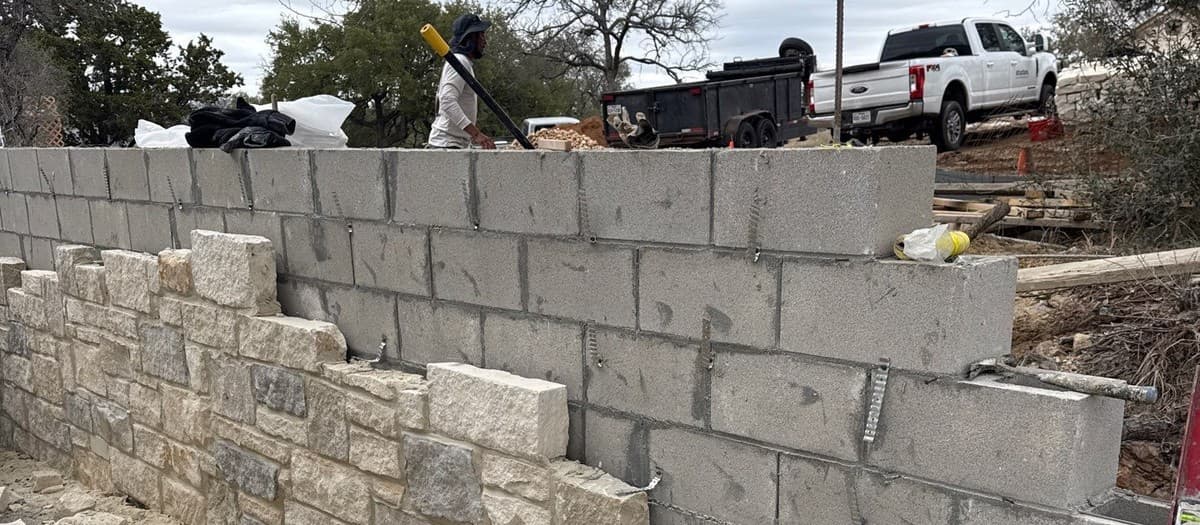
Every minute a concrete truck sits on-site with unloaded concrete is money you are spending for nothing. Here is the scheduling discipline that prevents wasted pours and wasted cash.
Most ready-mix suppliers include 5 to 8 minutes per yard of free unloading time. A 5-yard pour gives you roughly 25 to 40 minutes before a standby charge kicks in — typically $1 to $3 per minute depending on the supplier and market. A 10-yard pour? That free window is shorter than you think, and a slow crew or an unready site chews through it fast.
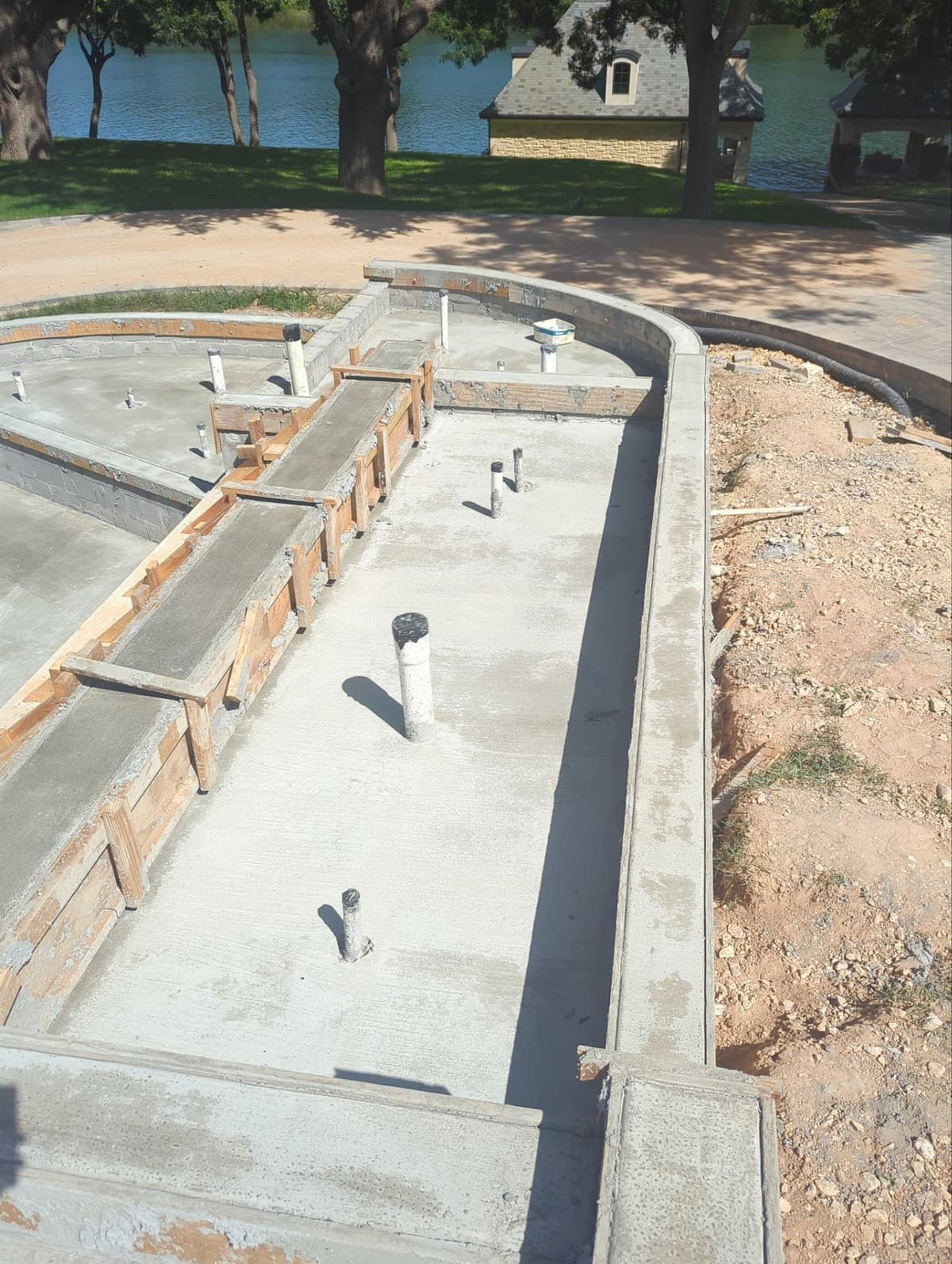
The goal is to have everything ready before the truck arrives, not when it arrives. That means forms set, rebar or wire mesh in place, expansion joint material positioned, crew briefed on their jobs, and equipment staged. A concrete pour is one of the few landscape tasks where there is zero tolerance for setup delays.
48 Hours Before the Pour: Final Checklist
Two days before, confirm the order quantity with the plant. Concrete quantity is calculated as: length × width × depth (in feet) ÷ 27 = cubic yards. Add 10 percent for waste and overage. A short order means a return truck, which is another delivery charge and a cold joint where the new concrete meets the partially cured first pour.
Confirm the delivery window. Most plants schedule in 1-hour windows. If your pour is 7am, the truck might arrive anytime from 6:45 to 7:30. Plan for the early end — have your crew on-site and forms final-checked by 6:30.
- Forms set and staked — double-check levels and alignment
- Rebar or wire mesh in position — chairs or dobies keeping it elevated off the subgrade
- Subgrade moisture correct — dry subgrade pulls water out of concrete and weakens cure
- Expansion joints positioned
- Screed board and bull float staged
- Chute access confirmed — truck needs to get within range without driving over form
- Concrete pump booked if chute access is limited
Weather and Timing: The Two Variables That Kill Pours
Concrete is temperature sensitive. In Texas summers, ambient temperatures above 90°F accelerate set time significantly. At 95°F, you might have 60 to 90 minutes of working time instead of the 2 hours you planned for. Pour early — schedule the truck for 6am or 7am to beat the heat. Avoid afternoon pours in summer entirely.
Cold weather slows set and increases the risk of freeze damage before the concrete reaches full strength. Below 40°F, concrete should not be poured without heating measures or insulating blankets. Know your cure conditions before you book the truck.
Crew Roles During the Pour
Every crew member needs a defined role before the truck backs in. Who is directing the chute? Who is spreading? Who is screeding? Who is managing edge work and keeping concrete from overrunning forms? A four-person crew on a 400 SF pour that does not have assigned roles spends the first 10 minutes figuring out who does what while the clock runs.
Brief the crew the morning of the pour — not at the truck. Five minutes of verbal role assignment before the truck arrives eliminates the confusion that costs you standby time.
"Concrete does not wait for you to get organized. You get organized the day before."
Schedule smarter
Ledge keeps your crew on track across every active job.
See every job at a glance, assign crews, track milestones, and stop managing schedules from memory or a whiteboard.
Book a Demo →Frequently Asked Questions
How far in advance should I book a ready-mix concrete truck?
Most plants can accommodate 48 to 72 hours notice for residential quantities. During peak construction season, call 5 to 7 days out to guarantee your preferred time window. For large commercial pours or specific mix designs, book a full week in advance. Never assume availability without a confirmed order number from the plant.
What happens if I order too much concrete?
You pay for the full load regardless. Most plants charge by the yard with a minimum load — typically 3 to 5 yards. Leftover concrete can sometimes be used for a small pad, curb, or footing on-site rather than sending it back as waste. Plan ahead and have a secondary use for any overage rather than returning it unused.
Do I need a concrete pump for landscape work?
When the pour area is more than 30 to 40 feet from where the truck can position, a pump line is usually faster and cheaper than wheelbarrowing concrete manually. Pump rental typically runs $400 to $800 for a residential setup. Compare that cost against the extra labor of manual concrete transport plus potential standby charges, and a pump often wins.
Edgar Galindo
Co-founder, Ledge
Edgar built Ledge while running a landscape design-build company in Central Texas. Concrete scheduling is one of the highest-stakes coordination tasks in the field — and one of the most avoidable sources of wasted cost.