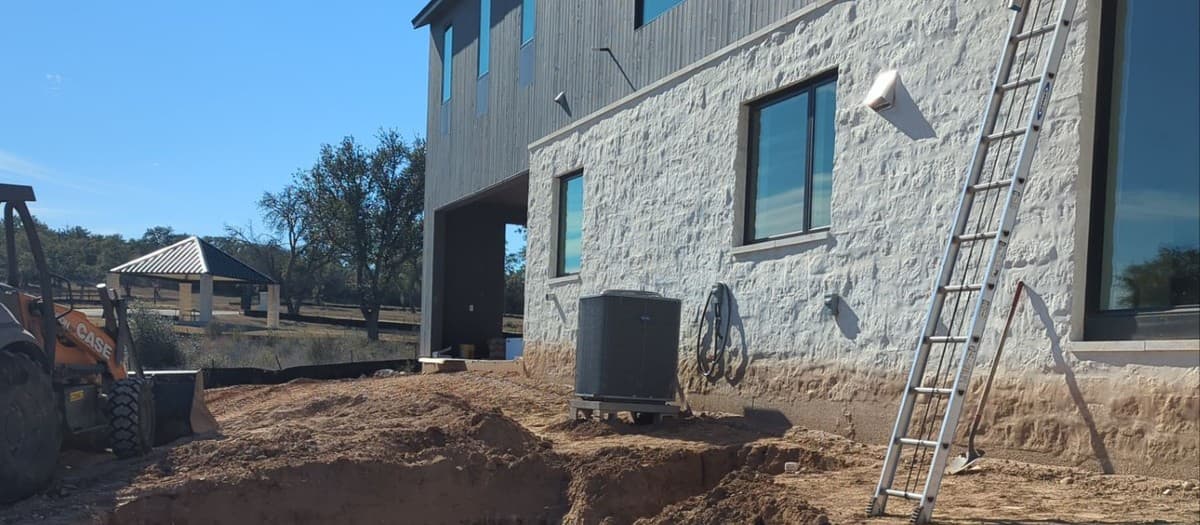
Getting the sequence wrong on a full landscape project costs more than time. It costs material, crew hours, and sometimes the relationship. Here is the correct order — phase by phase.
One of the fastest ways to destroy your margin on a full landscape project is installing plants before the hardscape is done. They get crushed by equipment, buried under base material, or trampled by the crew. You end up replacing them on your dime, and the client watched it happen.
Sequencing a full landscape project — one that includes demolition, grading, drainage, hardscape, irrigation, and planting — requires understanding which phases depend on which. Miss one dependency and you are doing rework. Here is the order that works.
Phase 1: Site Protection and Demolition
Before any equipment rolls in, protect what stays. Tree root zones, existing sod the client is keeping, and any structures adjacent to the work area all need protection first. Set up construction fencing or orange barrier fencing around specimen trees. Lay plywood over any concrete or pavers the client wants to preserve.
Then demolish. Remove existing concrete, old landscaping, or structures that are going away. Call 811 before any excavation — this is not optional, and in most states the law requires it with at least 48 hours notice. Get the demo waste off-site before you start grading.
Phase 2: Rough Grading
Rough grading sets the foundation for everything else. You are establishing drainage flow, relative elevations, and access paths for equipment. Do not skip rough grading to save time — every phase after this depends on it being correct.
Confirm your drainage outlet locations before grading. If you do not have a confirmed outlet — a swale, drain basin, or downslope path — grading creates a problem, not a solution. This is also when to identify any significant grade changes that might require a retaining wall, because a wall changes everything downstream in the sequence.
Phase 3: Underground Utilities (Drainage, Gas, Electrical Conduit)
All underground work goes in before any hardscape base. This includes French drains, channel drains, downspout connections, electrical conduit for future lighting, and gas lines for outdoor kitchens or fire pits. These all require trenching — and trenching after you have already compacted a hardscape base means tearing it up.
If a licensed electrician or plumber is involved, schedule their rough-in during this phase — not after the patio is installed. Coordinating licensed trades mid-project is one of the most common sequencing failures in landscape contracting.
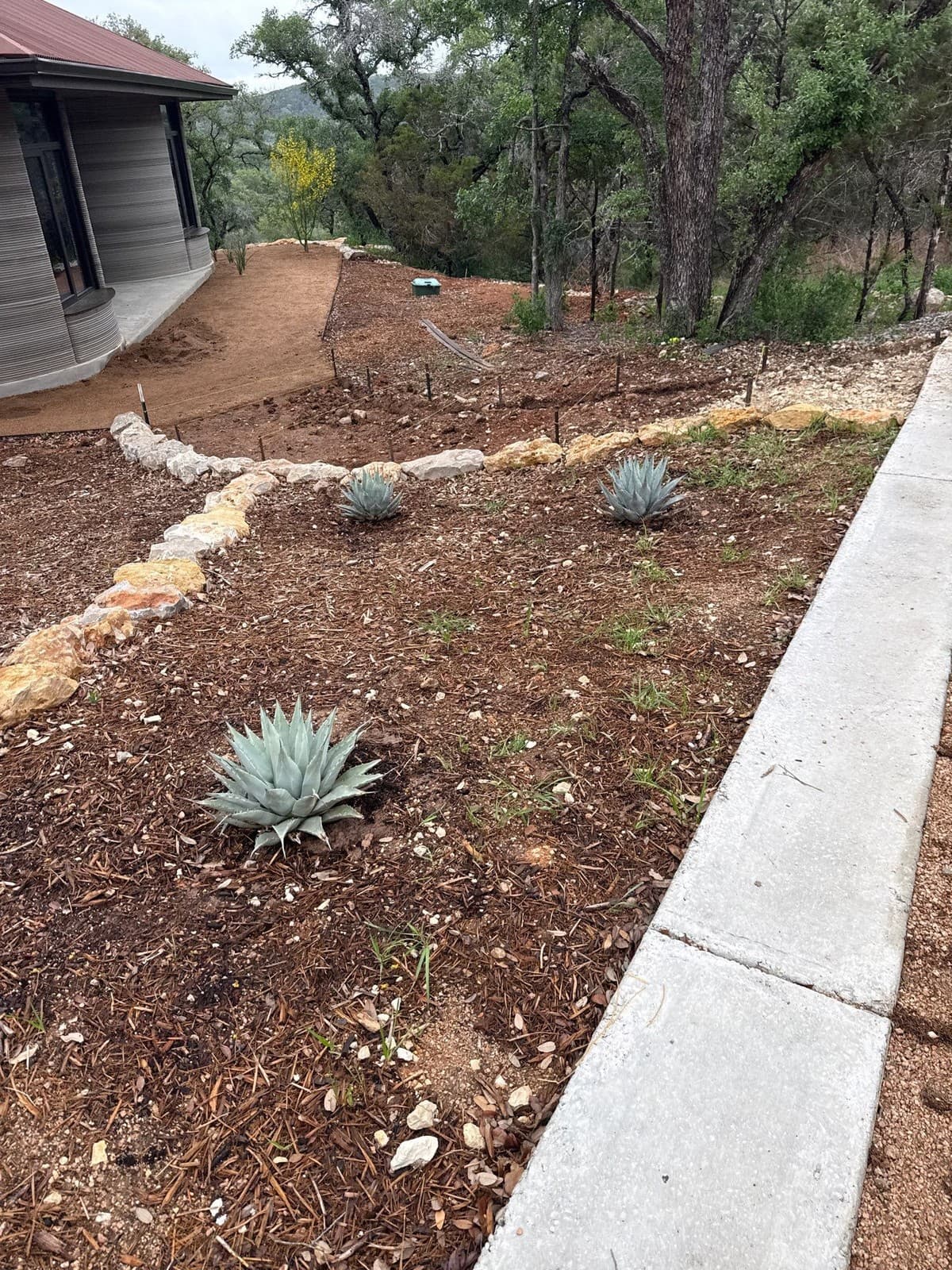
Phase 4: Hardscape Base and Structural Work
Retaining walls go first among hardscape elements. The wall establishes grade, creates the level area for a patio, and may affect drainage outlet placement. Build walls before you set patio base — not simultaneously, and never after.
Once walls are in and drainage is confirmed flowing correctly, set paver or concrete base. Compact in lifts — do not dump 8 inches and compact once. Proper base prep is 2-inch lifts, compacted with a plate compactor, checked for grade before the next lift goes down. This phase takes longer than clients expect and longer than some crews allow.
Phase 5: Hardscape Surface Installation
Pavers, flagstone, concrete pours, or any surface hardscape material goes in after the base is verified. Confirm grade slope before any surface material is set — slope should be 1 to 2 percent away from the structure. Once pavers are set, polymeric sand, edge restraint, and sealer (if in scope) complete this phase before you move anything else on-site.
Phase 6: Irrigation Rough-In
Irrigation rough-in happens after hardscape is complete and before any finish grading or planting. You need the hardscape in place to know where zone boundaries fall and where heads need to be placed. Running irrigation before the patio is set means your pipe layout is guessing — and guessing costs re-trenching.
Sleeve under any hardscape areas during Phase 4 if irrigation lines need to cross — retrofitting sleeves after pavers are set is expensive and ugly.
Phase 7: Finish Grading and Soil Amendment
Finish grading is the last time heavy equipment or a crew walks the planting areas. Bring in topsoil, compost, or amendment material now. Once plants and sod go in, you can no longer grade without damaging them. Confirm drainage is working as intended before moving forward — water a slope test and watch it flow correctly.
Phase 8: Large Plant and Tree Installation
Specimen trees and large shrubs go in before small plants and sod. They require equipment — a mini excavator, a tree spade, or at minimum a crew with shovels and heft. That equipment will damage small plantings placed around it. Install large specimens first, backfill and stake properly, then work down in plant size.
Phase 9: Small Plants, Ground Cover, Mulch, and Sod
This is the final production phase. Perennials, ornamental grasses, ground covers, and annuals all go in now. Sod is last — it goes down after all beds are planted and mulched, because foot traffic from planting damages fresh sod. Mulch beds, then sod, then walk the site with the client.
"Every phase depends on the one before it. Shortcut the sequence and you pay for it twice."
Schedule smarter
Ledge keeps your crew on track across every active job.
See every job at a glance, assign crews, track milestones, and stop managing schedules from memory or a whiteboard.
Book a Demo →Frequently Asked Questions
Does irrigation always go after hardscape?
Yes — irrigation rough-in should follow hardscape completion so you know exactly where zones land and where heads need to clear hard surfaces. The one exception is sleeves: run conduit or pipe sleeves under any hardscape areas during base prep, before pavers go down. This lets you thread irrigation lines under the patio without cutting or removing pavers later.
Can you install plants and hardscape at the same time on a large project?
On large properties where the planting areas are well separated from active hardscape work, parallel production is possible with separate crews. However, specimen tree installation requires equipment that should not operate near freshly laid pavers. When in doubt, finish the hardscape first and protect your investment before plants go in.
Why does sod go in last?
Fresh sod is fragile. Foot traffic from planting other beds, material staging, or equipment access tears it up and disrupts root contact with the soil. Lay sod after all other production work is complete, water it in immediately, and walk it only when necessary for the next two weeks. Installing sod mid-project is one of the most common and expensive mistakes in residential landscaping.
Edgar Galindo
Co-founder, Ledge
Edgar built Ledge while running a landscape design-build company in Central Texas. He has sequenced hundreds of full landscape projects and paid tuition on every phase that went out of order.