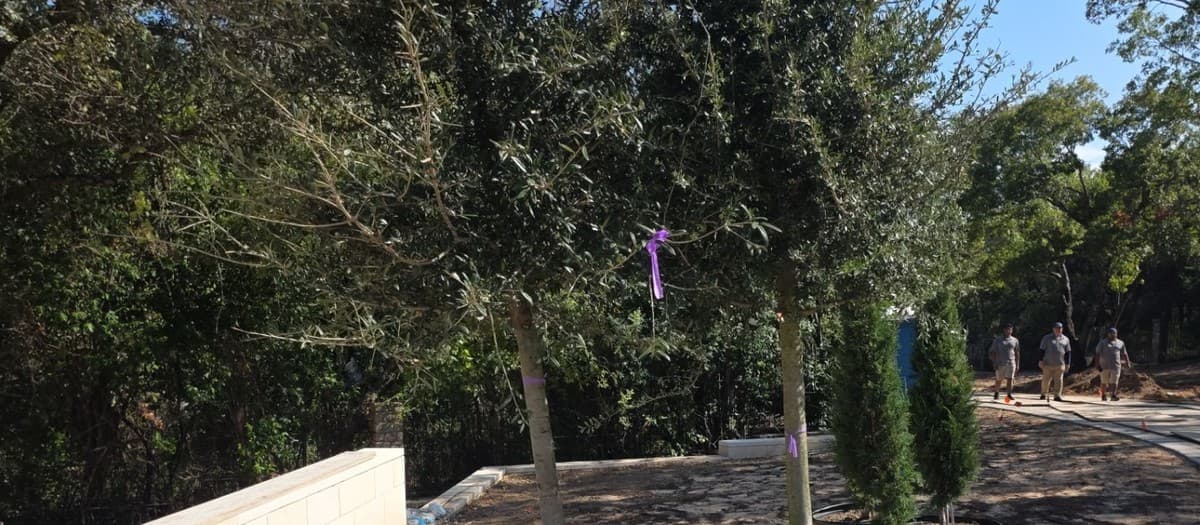
A 30-inch live oak arriving Thursday when your crane operator is not available until Friday is a $3,000 problem. Here is how to schedule large tree installs so everything arrives on the same day.
Large tree installation is one of the most logistically complex tasks in landscaping. You are coordinating a nursery delivery, a crane or tree spade operator, site access, ground crew, and hole preparation — all on the same day. When even one of those pieces is not aligned, you are paying for equipment time and crew hours while a balled-and-burlapped tree sits on a flatbed losing moisture.
The sequencing is not complicated, but the coordination must happen at least 10 to 14 days ahead. Here is how to run a large tree delivery and plant day without a crisis.
Step 1: Book the Crane Before You Book the Tree
Crane availability is your binding constraint. Crane operators in most markets book 1 to 3 weeks out, and they do not hold dates without a deposit. Before you confirm a delivery date with the nursery, get a crane date locked in. Once you have a crane date, everything else schedules around it.
Know the weight of the tree before you call. A 30-inch live oak in a wire basket can weigh 4,000 to 6,000 pounds. A 6-inch caliper crepe myrtle might be 500 pounds. The crane operator needs tree size and weight to confirm their equipment is rated for the lift, and they need site access details — overhead utility clearance, ground conditions, and how close they can set up to the planting hole.
Step 2: Confirm Nursery Delivery Window on the Same Day
Once the crane is booked, call the nursery and confirm delivery for that same day. Ask for a specific delivery window — not "sometime in the morning." A flatbed with a 30-inch oak needs your crew and crane on-site when it arrives, not 90 minutes later.
Get a 48-hour confirmation call or text from the nursery. Tree deliveries get rescheduled when the nursery is short on drivers or the tree is not ready. Find out two days out, not the morning of.
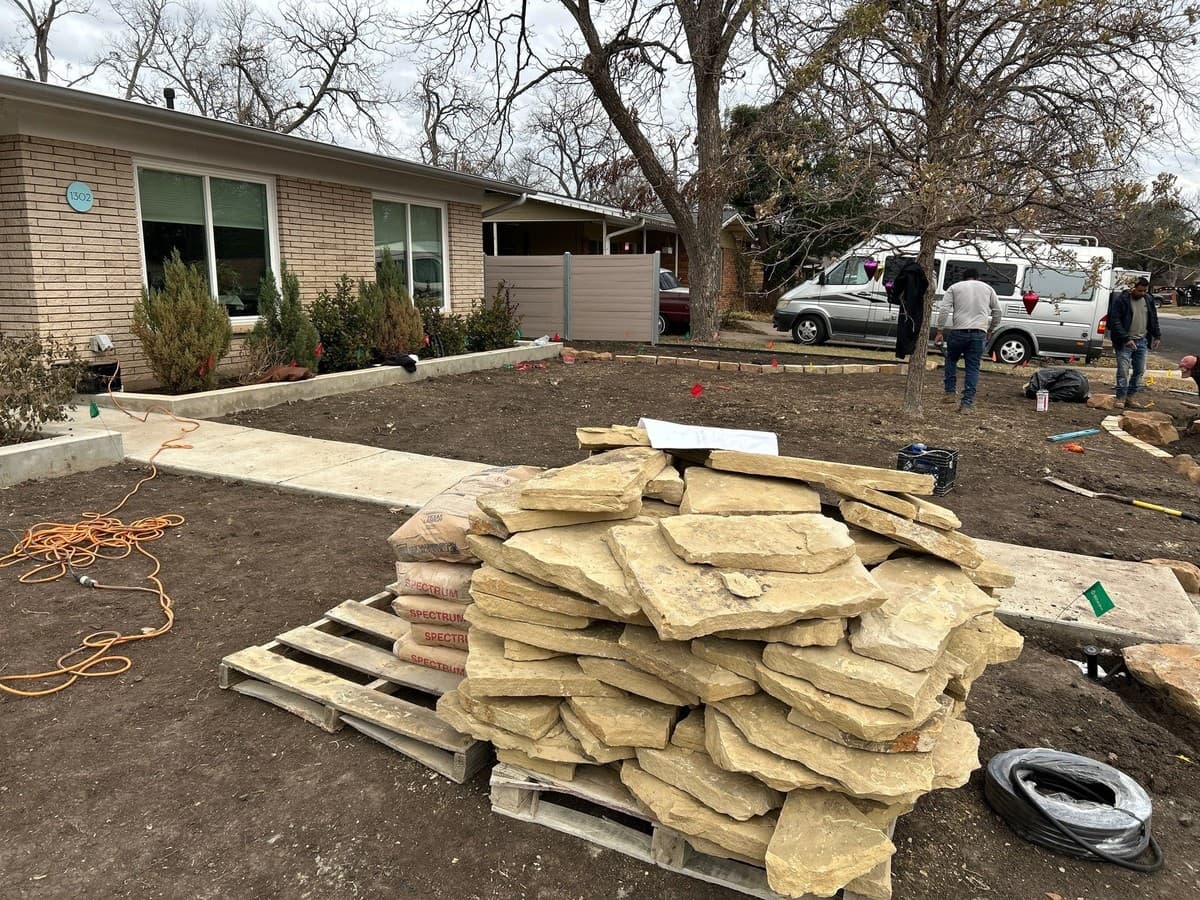
Step 3: Dig the Hole the Day Before
The planting hole should be ready before the tree arrives. Digging the hole while the crane is set up and the nursery truck is waiting costs you money every minute. Dig the day before delivery: hole width is two to three times the root ball diameter, depth is equal to root ball height minus 2 to 3 inches (you want the root flare above grade).
Verify soil conditions at the bottom of the hole. Clay subsoil that does not drain will create a bathtub effect — the tree sits in standing water after rain. If you hit clay at depth, you need an amended backfill strategy or a drain at the bottom of the hole before the tree goes in.
Step 4: Stage the Site for Crane Access
A crane truck needs a firm, level surface to set up outriggers. If the ground is soft or recently watered, lay timber mats or plywood pads. Confirm overhead utility clearance — call 811 if you have not already. Identify the optimal crane position relative to the planting hole and the delivery truck offload point, so the crane does not have to reposition mid-lift.
Walk the access path with the crane operator before the delivery day if possible. An unexpected obstacle discovered during the lift is dangerous and expensive.
What Happens When the Crane Is Unavailable on Delivery Day
It happens. Crane operators cancel. Confirm your cancellation policy when you book. Ask if they have a backup operator or can reschedule within 24 hours. If not, contact the nursery immediately to delay delivery — a large tree sitting on a flatbed in the sun for an extra day is a stressed tree that may not establish well after planting.
Always have a secondary crane operator contact. One reliable crane operator is a dependency. Two is a backup plan.
"Book the crane first. Everything else in the sequence follows the crane date."
Schedule smarter
Ledge keeps your crew on track across every active job.
See every job at a glance, assign crews, track milestones, and stop managing schedules from memory or a whiteboard.
Book a Demo →Frequently Asked Questions
How far in advance should I book a crane for large tree installation?
Plan for 10 to 14 days minimum. In busy spring and fall planting seasons, some crane operators book three to four weeks out. Call early, confirm with a deposit, and get the date in writing. Do not assume availability until you have a confirmed booking.
Can a mini excavator substitute for a crane on large tree installs?
A mini excavator can handle trees up to about 500 to 800 pounds if access and site conditions allow. Beyond that weight, a full crane is the right tool. Using an undersized machine risks damaging the root ball, tipping the machine, or dropping the tree. Match the equipment to the actual tree weight, not to what you have available.
What is the best time of year to plant large trees?
Fall is the best window for most species in the South and Southwest — cooler temperatures reduce transplant stress while the root system still has time to establish before winter. Spring is second best. Summer planting of large trees in Texas heat requires aggressive watering programs and increases the risk of transplant failure. Whenever possible, schedule large tree installs outside peak summer months.
Edgar Galindo
Co-founder, Ledge
Edgar built Ledge while running a landscape design-build company in Central Texas. Large tree coordination is one of those tasks that looks straightforward until the crane cancels and the tree is already on the truck.