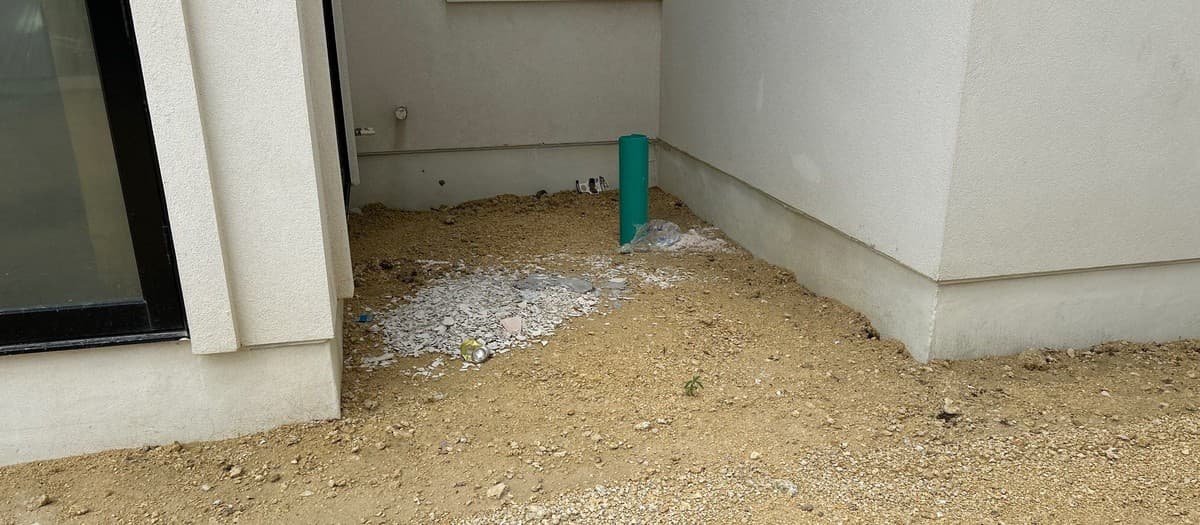
A paver patio installed over unresolved drainage problems is a warranty claim waiting to happen. Here is the sequencing rule every hardscape contractor needs to follow — and why so many ignore it.
The call comes six months after the job. Standing water on the patio. Pavers shifting. The client wants to know why. You know the answer — there was a drainage problem on that site before you started and you talked yourself into believing it would be okay. It was not okay.
Drainage is one of those things contractors rush past because it adds days to the schedule and requires conversations the client does not want to have. But getting drainage wrong under a hardscape install is not a cosmetic problem. It destroys the base, shifts pavers, and creates warranty liability that falls entirely on you.
The Rule: Drainage Outlet Must Be Confirmed Before Any Hardscape Base Goes Down
This is not a preference — it is a sequencing law. Before one yard of crushed base material is laid for a patio or path, you need to know exactly where water will go when it falls on that surface. Where is the drainage outlet? A swale? A channel drain tied to the storm system? A pop-up emitter at the property edge? Downslope to a natural drainage area?
If you cannot answer that question before you start base prep, stop. Do a thorough drainage review first. Walk the site after rain if you can. Watch where water moves. Identify low points, where it pools, and where you can create flow paths that work with the grade.
When Drainage Problems Are Visible at the Bid Stage
You can often spot drainage issues during the initial site visit. Signs include: dead or yellowing grass patches (saturation), erosion channels in the lawn, water stains on foundation walls, downspouts that discharge without a clear path, and grade that slopes toward rather than away from structures.
When you see these signs, include drainage in the scope — not as an afterthought, but as a defined phase in the proposal with its own line items and sequencing. If the client declines the drainage work, document that in writing. Do not proceed with hardscape installation and absorb the drainage risk silently. That is how you end up with a warranty call you cannot win.
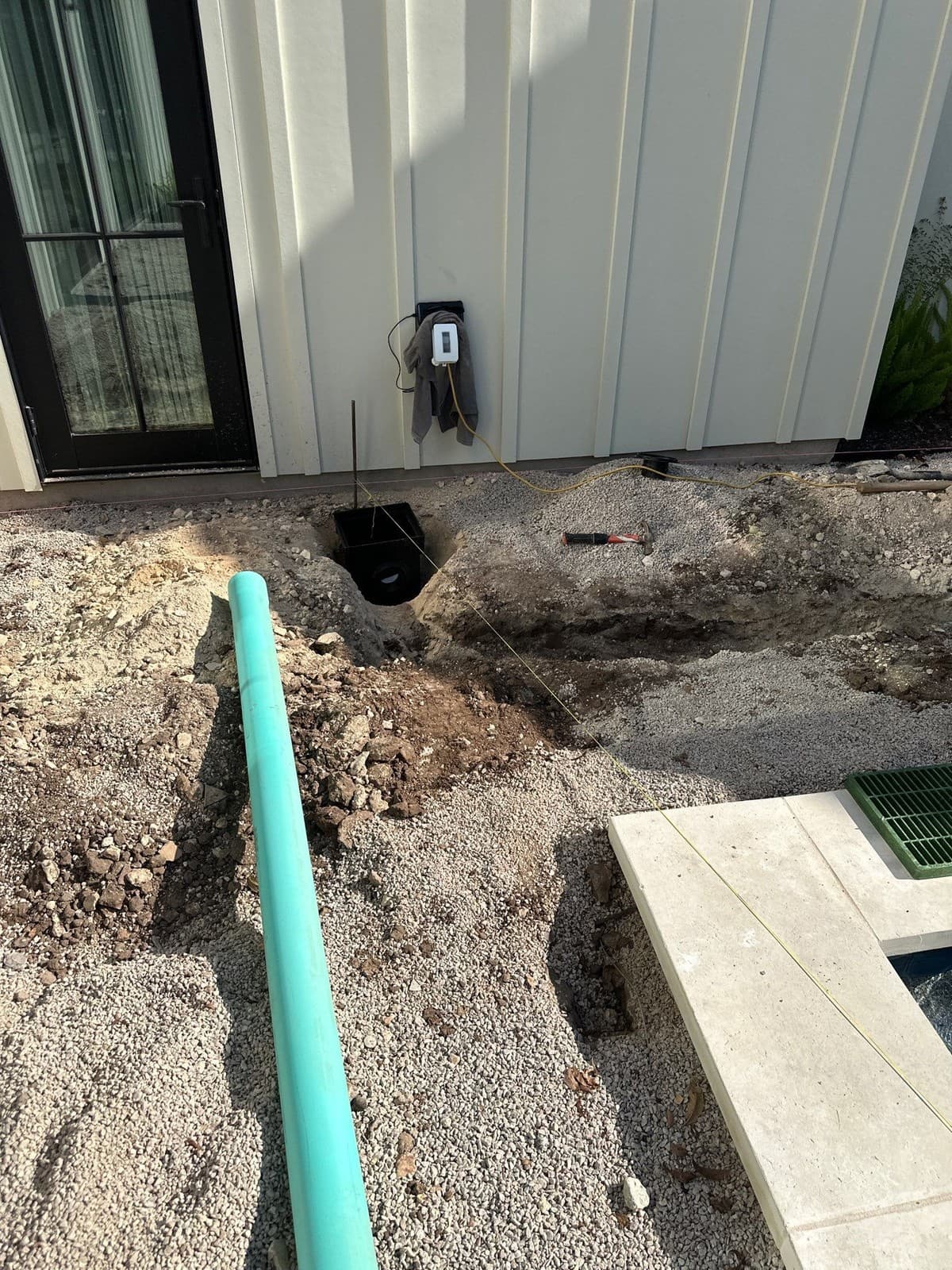
Drainage Types and When They Get Installed
French drains: Installed during rough grading, before any hardscape base. Trench, perforated pipe, gravel backfill, and fabric wrap. The outlet must be confirmed and accessible before you start — typically daylighting at a lower elevation of the property or connecting to a dry creek bed or catch basin.
Channel drains: Installed after hardscape base is confirmed but before surface material goes down. The channel drain body gets set at the correct elevation relative to the finished paver surface, tied into the pipe system, and the grate is installed last. Coordinate this with your paver installer so the grate elevation is set correctly.
Downspout connections: Run during rough utility phase, before any hardscape. Tie downspouts to underground pipe that daylights well away from the structure and the hardscape area. A downspout that terminates under a paver patio base will destroy it within two to three years.
Surface grading for drainage: Hardscape surfaces must slope away from structures at a minimum of 1 percent — ideally 1.5 to 2 percent. Confirm this slope during base prep. Checking it after pavers are set and finding it wrong means resetting pavers.
The Cost of Getting Drainage Wrong
A failed drainage install under a 400 SF paver patio typically requires removing all the pavers, excavating and resolving the drainage issue, reinstalling base, resetting pavers, and reapplying polymeric sand. That is four to six crew days and full material cost again. On a $20,000 patio, fixing a drainage problem you ignored at the start can cost $8,000 to $12,000 out of pocket.
Spending three extra days and $2,000 in drainage work before the patio goes down is not optional overhead. It is margin protection.
"Water always wins. Either you route it correctly before the patio goes in, or you tear out the patio to route it later."
Schedule smarter
Ledge keeps your crew on track across every active job.
See every job at a glance, assign crews, track milestones, and stop managing schedules from memory or a whiteboard.
Book a Demo →Frequently Asked Questions
Can you add drainage after a paver patio is already installed?
Yes, but it is expensive and disruptive. Surface channel drains can sometimes be cut in at the perimeter. French drains alongside the patio edge are possible without full paver removal. However, if the drainage problem is under the patio — saturating the base material — the only real fix is removing the affected area, installing proper drainage, and reinstalling. There is no clean shortcut.
How much slope does a paver patio need for proper drainage?
Minimum 1 percent slope away from any structure — that is 1/8 inch per foot. For most residential installations, 1.5 to 2 percent is better because it gives you tolerance for settlement and base irregularities. Check slope with a level and tape measure during base confirmation, not after pavers are set.
Should drainage always be included in a hardscape proposal?
Always assess it. Whether you include it depends on site conditions. If the site drains well with proper grade, note it in your proposal as assessed and clear. If drainage issues exist, include the resolution as a required scope item — not optional. Let the client decline in writing if they choose, but do not install hardscape over known drainage problems without a clear paper trail protecting you.
Edgar Galindo
Co-founder, Ledge
Edgar built Ledge while running a landscape design-build company in Central Texas. He learned drainage sequencing the hard way — after one very expensive warranty call.