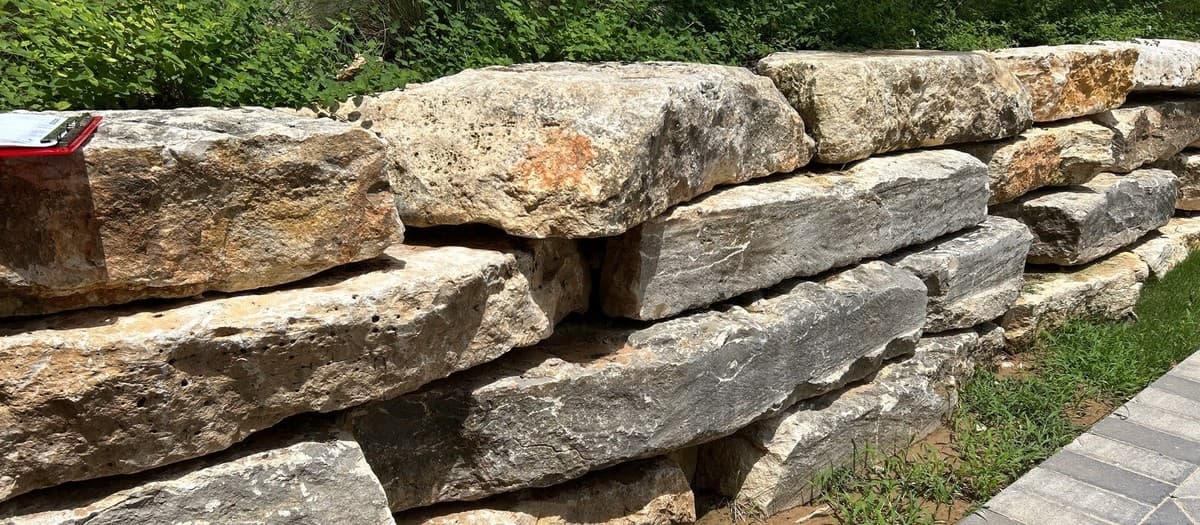
You took the site visit, wrote the scope, and sent the proposal. But the other contractor included photos of the actual yard — and that client chose them. Photos do more selling than most contractors realize.
A landscape proposal with job site photos reads differently than one without. The client opens it and immediately sees their yard — the back slope, the area where the patio will go, the access gate the crew will use. It feels personal. Generic proposals feel like forms. This difference shows up in close rates.
Taking and including site photos takes less than five minutes per job. The return on that five minutes is real.
Why Photos Change How Clients Read the Price
When a client sees their own yard in a proposal, they are no longer comparing a number to a competitor's number. They are looking at their specific situation — the slope they want terraced, the gate the crew will need to navigate, the area that needs to be cleared first. The price becomes tied to a real project, not an abstract total.
Photos also signal that you were paying attention at the site visit. A client who sees their backyard documented in your proposal knows you were taking notes — not just measuring and leaving. That attentiveness translates to trust. Trust makes price less of an obstacle.
What Photos to Take at the Site Visit
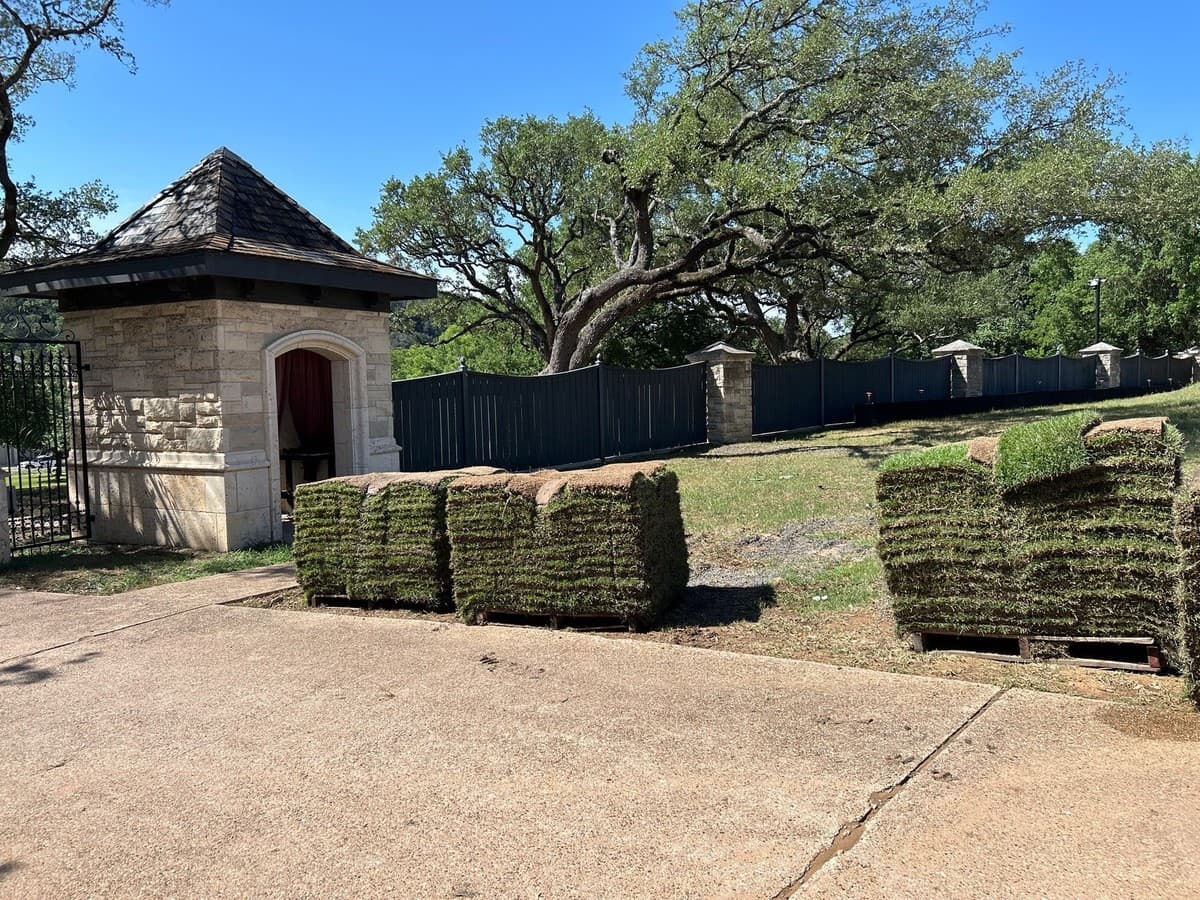
You need 4–6 photos. More than that and the proposal starts to look like a photo album. Fewer than three and it does not feel documented. Shoot these:
- Overview of the project area: Wide shot showing the space as it currently exists. This anchors the scope to a real location.
- The specific problem or feature: The slope that needs a retaining wall, the existing concrete to be removed, the grade issue near the house. Photo the thing you are solving.
- Access point: The gate, driveway, or path the crew will use. This shows you thought about logistics.
- Adjacent features: Anything near the work area that could be misunderstood as in scope — existing planting beds, lighting, irrigation heads. Documents your exclusions visually.
- Reference photo (optional): A photo of a comparable project you have completed. Not stock photos — your own work, from your portfolio. "Similar project completed in [neighborhood]" builds confidence.
Where to Put Photos in the Proposal
Right after the project summary — before the scope and line items. The client should see their yard before they see the price. Put the overview photo first. Label each photo simply: "Existing back slope," "Access gate," "Adjacent bed — not in scope." Labels show context without needing to explain everything in text.
If your proposal tool allows it, embed photos inline next to the relevant scope sections. "Base and hardscape" section paired with the photo of the area where the patio goes. That connection between scope description and site photo is especially effective on larger projects.
"A client who sees their own yard in your proposal is not comparing you to another contractor. They are deciding how much of their project to include."
Phone Photos Are Fine — If They Are Clear
You do not need a camera or a photographer. A modern phone camera takes photos good enough for a proposal. What matters is that photos are in focus, well-lit, and show what you intend to show. Blurry photos or dark interior shots look worse than no photos. Shoot outdoors in natural light. That is the only technique requirement.
The habit to build: pull out your phone at the start of every site visit and take your photos first, before you start measuring. That way you never forget — and the photos capture the site as you first walked in, before you moved things around.
Close more jobs
Ledge proposals get signed 3× faster than PDF quotes.
Good/Better/Best options, digital e-signature, job photos built in, and automatic follow-up reminders. Built for landscape contractors.
Book a Demo →Frequently Asked Questions
Do I need to ask permission to take photos at a client's property?
For the proposal, most clients assume you will document the site — especially if you mention it. A quick "I'll take a few photos to include in the proposal so you can see how we're thinking about the layout" is enough. For portfolio use or marketing, get written consent. Keep these uses separate and explicit.
Should I include before/after photos from past jobs in my proposal?
Yes — one or two is ideal. Choose a past project similar in scope to what you are proposing. Keep the caption simple: "Similar paver patio installation, Cedar Park — completed 2025." Do not pad the proposal with five portfolio photos. One strong comparison shot does more than a photo gallery.
What if the site visit was rushed and I forgot to take photos?
Use Google Street View or satellite imagery from Google Maps to pull a view of the property for context. It is not ideal, but it is better than no visual reference. Then build the habit of taking photos at the start of every site visit — before you pull out the tape measure.
How do photos affect proposal close rates in practice?
Contractors who add site photos to proposals consistently report higher close rates — often 10–20 percentage points higher on comparable jobs. The effect is strongest on jobs over $10,000 where the client is making a significant decision and looking for confidence signals. Photos are one of the cheapest confidence signals you can add to a proposal.
Edgar Galindo
Co-founder, Ledge
Edgar built Ledge while running a landscape design-build company in Central Texas. Adding site photos to proposals was one of the first changes he made — and one of the clearest improvements to his close rate.