Your proposal has every line item priced correctly — but it is still losing to cheaper bids. The problem is structure, not price. Here is what a proposal looks like when it is built to convert.
After a site visit, the client said they loved the concept. They said the price seemed fair. They said they'd get back to you by Thursday. Thursday came and went. You followed up. They said they decided to go with someone else.
That is not a price problem. That is a proposal structure problem. The right sections, in the right order, do most of the selling before the client ever talks to another contractor.
Section 1: Project Summary (Top of the Proposal)
Before any line items, write two to three sentences that describe the project from the client's perspective. What do they want? What problem are you solving? What will the finished space feel like?
Bad: "Scope of work — install paver patio, retaining wall, landscape lighting."
Good: "You want to turn the back slope into a level outdoor living space where the family can spend evenings without it feeling like a yard project site. This proposal covers a terraced paver patio with a retaining wall and landscape lighting to make it usable after dark."
One is a list. The other is a proposal.
Section 2: Job Site Photos
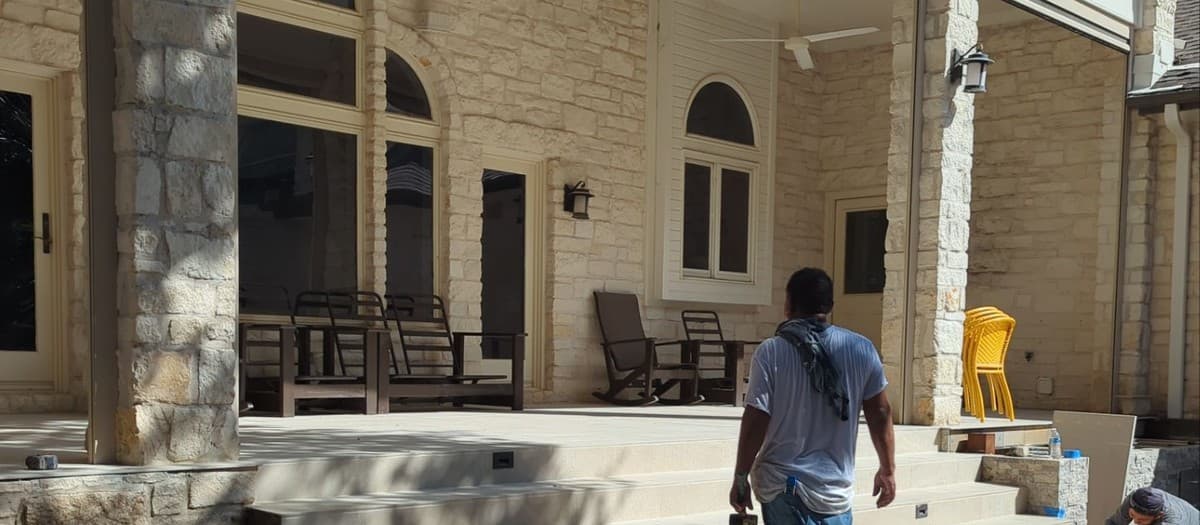
Include 3–6 photos taken at the site visit. Label them if helpful — "existing slope," "access point," "area for patio." This serves a practical purpose: the client sees you documented the current conditions. It also sets up your scope description because you are referring to specific things they recognize.
Proposals with job site photos close at higher rates. Not because clients want more images — because photos signal that you were paying attention.
Section 3: Scope of Work — With Material Specs
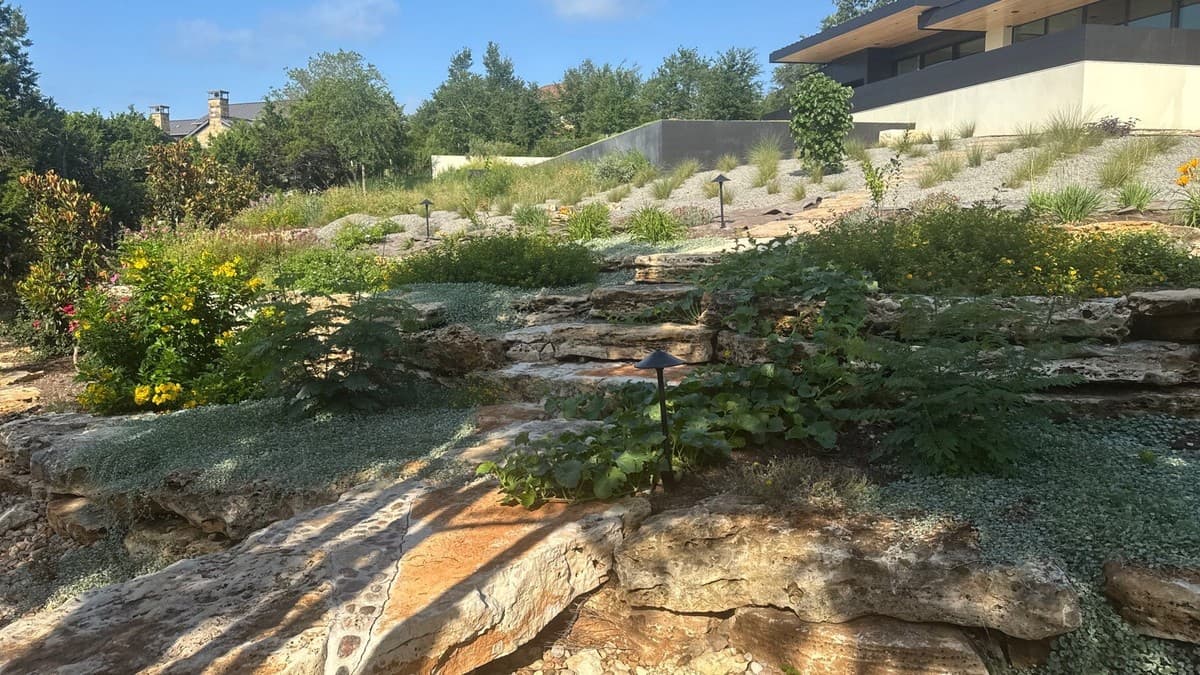
This is where most proposals live and where most proposals fail. Line items without context invite comparison shopping. Line items with specs build confidence.
For each major scope item, include: what it is, brand/product name, why you chose it, and what it covers. "Crushed limestone base — 8 inches compacted, rated for our clay soil conditions in this area, required for long-term paver stability" tells a completely different story than "base — 8 inches."
Group your line items by phase if the job is multi-day: Base Preparation, Paver Installation, Edge Work and Cleanup. Phases read cleaner than a flat list and help clients visualize how the job unfolds.
Section 4: Exclusions
Put your exclusions after the scope — not buried in fine print, not missing entirely. Write them as a plain-language list. "This proposal does not include: irrigation adjustments, permit fees, removal of existing concrete, or grading outside the patio footprint."
Clients who understand exclusions are less likely to call mid-job upset about something they assumed was included. Exclusions protect your margin and establish expectations before work starts.
Section 5: Pricing Options
If you offer only one price, you are forcing a yes/no decision. Present Good/Better/Best: a base scope at your lowest price point, a mid-tier with upgraded materials or added square footage, and a premium option that represents what you would do if it were your own yard.
Most clients choose the middle option. Some choose the top. Almost none go below what they originally asked for. But giving them options means they are choosing between your proposals — not between you and a competitor.
Section 6: Timeline and Next Steps
End the proposal with clarity on what happens next. Estimated start date range, how many days the job will take, deposit amount required to schedule, and exactly how to sign. Clients who know the process sign faster. Clients left guessing stall.
"The section most contractors skip — timeline and next steps — is what turns a quote into a commitment."
Section 7: Terms and Signature
Keep payment terms plain. "50% deposit due at signing, 50% due on completion" is clear. "Net 30 upon project milestone completion per attached schedule" is not something a residential client wants to parse.
Digital signature is the right move here. A PDF that requires printing, signing, scanning, and emailing back adds friction at exactly the wrong moment. A proposal with a built-in e-sign link gets signed in minutes — often from a phone while the client is still thinking about the conversation.
Close more jobs
Ledge proposals get signed 3× faster than PDF quotes.
Good/Better/Best options, digital e-signature, job photos built in, and automatic follow-up reminders. Built for landscape contractors.
Book a Demo →Frequently Asked Questions
Does proposal order actually matter?
Yes. Clients form impressions in the first 30 seconds of opening a document. If they see a project summary that reflects their actual goals, they read further with goodwill. If they see a generic header and a wall of line items, they scroll to the total and compare it to whoever else sent them something.
How much time should I spend on a proposal?
For a $5K–$30K residential job, 20–40 minutes is the right range once you have a system. That includes pulling photos from the site visit, writing the scope summary, speccing materials, and setting options. If it takes you more than an hour, your tools are working against you. Build a reusable template and fill it in — do not start from scratch each time.
What font or design should a landscape proposal use?
Clean and legible beats flashy. Use your company logo, consistent header styling, and enough white space that sections feel distinct. A proposal that is easy to read signals that you run an organized operation. Fancy design does not win jobs — clarity and confidence do.
Should I include warranty information in the proposal?
Yes, if you offer one. Even a simple "1-year workmanship warranty — we stand behind our installation" is worth including. It answers a question many clients want to ask but do not. If you offer manufacturer warranties on specific materials, note them. Warranty language reduces perceived risk, which reduces hesitation at signing.
Edgar Galindo
Co-founder, Ledge
Edgar built Ledge while running a landscape design-build company in Central Texas. He restructured his proposals multiple times before landing on the format that consistently closed at higher prices.