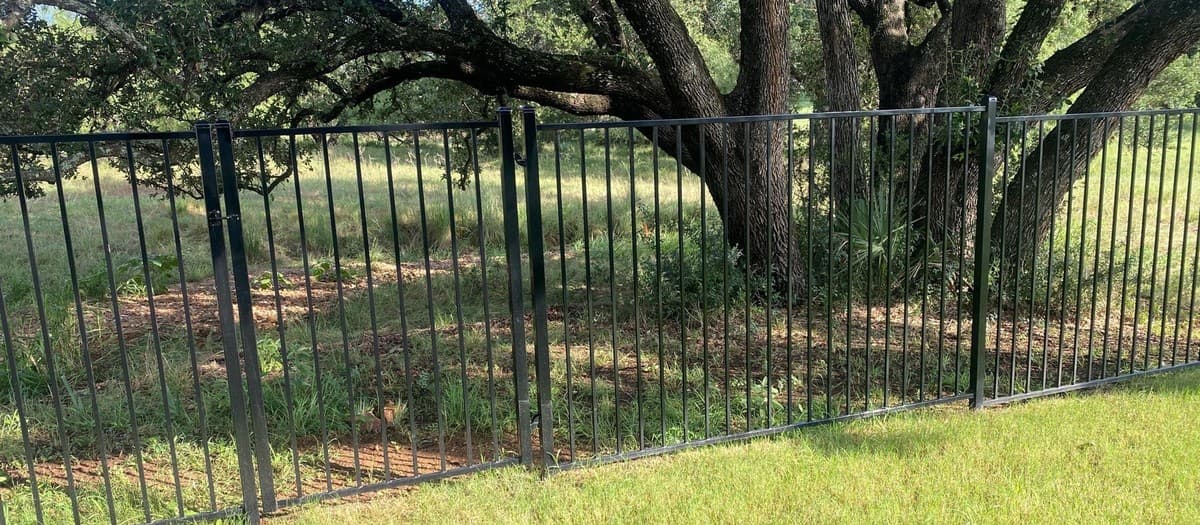
Most residential fencing sold as "iron" is actually steel. The distinction matters for cost, weight, weldability, and how you finish it. Here's what to spec and why.
When a client asks for "iron fencing," they're usually asking for the look — thin vertical pickets, spear tops, traditional style. What they're going to get is almost certainly steel, not true wrought iron. Understanding the difference helps you spec the right product, explain it accurately, and avoid surprises on the job.
What Is Wrought Iron and Why It's Almost Never Used
True wrought iron is a purified form of iron with very low carbon content, historically worked by hand at a forge. It's tough, resistant to corrosion, and extremely difficult to weld with modern equipment because of its slag inclusions. Authentic wrought iron fencing is essentially extinct in new construction — it's found only in historic restoration projects.
What gets called "ornamental iron" in the residential market is carbon steel — specifically mild steel (A36 or similar) formed into the traditional shapes associated with wrought iron aesthetics. Spear tops, scrolls, rings, twisted balusters. All steel, fabricated to look like the historical product. That's fine. Steel is better in almost every way for this application.
Steel vs. Ornamental Iron Panels: The Actual Differences
When contractors compare "ornamental iron" panels to "steel" fence panels, they're typically comparing two categories of steel products:
- Ornamental iron-style panels: Traditional picket designs with decorative elements — spear tops, rings, scrollwork. Typically fabricated from 5/8" or 3/4" solid square bar and round bar stock. Heavier, more labor-intensive to fabricate, higher cost. Appearance reads as traditional, historic, or Mediterranean.
- Modern steel tube panels: Square or rectangular hollow tube construction. Cleaner lines, less decorative detail. Lighter than solid bar ornamental panels. Better for contemporary or modern architectural styles. Easier to fabricate with standard welding equipment.
Cost difference: ornamental-style solid bar panels run $55–90 per linear foot installed, depending on height and decorative complexity. Modern steel tube panels run $45–75 per linear foot. The gap narrows for taller fences where the post setting cost dominates.
Rust and Corrosion: What Actually Happens in the Field
Both product types rust if the finish is compromised. Bare steel exposed to moisture oxidizes. The key is the coating system and how well it's maintained.
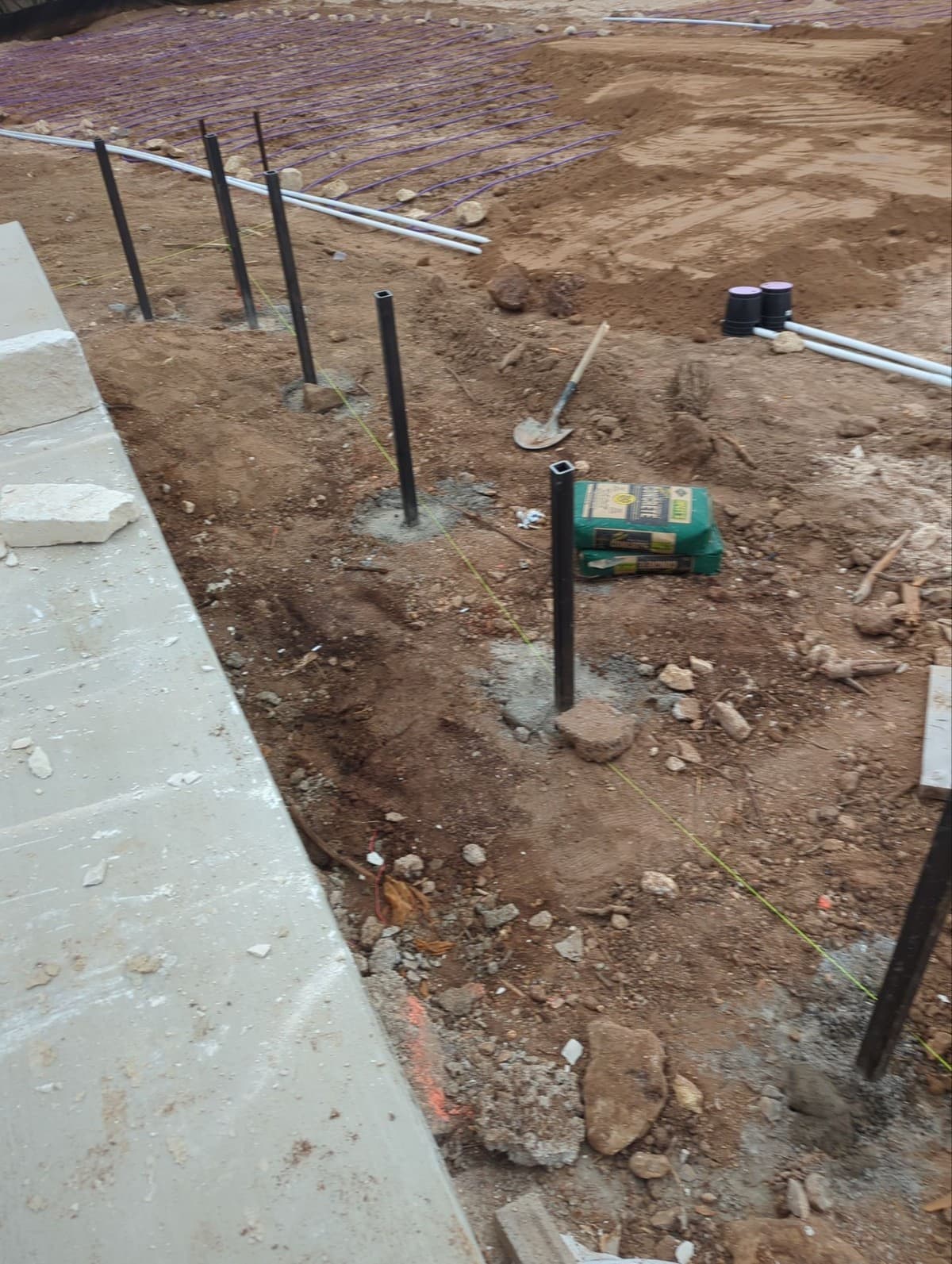
Solid bar panels have no hollow sections to hold trapped moisture. If the exterior coating chips, you see surface rust but moisture doesn't get inside the material. Hollow tube panels have exposed cut ends where moisture can enter — this is the primary rust risk for steel tube fencing. Always cap cut ends with welded tube caps or fill with expanding foam before powder coating.
For both products: primer + powder coat is the correct system. Epoxy primer before powder coat improves adhesion and provides an additional rust barrier at the substrate. Some shops blast the steel before priming (removes mill scale) — this significantly improves coating adhesion and should be specified for any premium installation.
"Clients ask for 'iron fencing' and we show them both styles. The traditional spear top goes with certain homes. Modern tube panel goes with others. Selling the right aesthetic for the house matters — the client lives with it every day."
Weldability and Field Repairs
Modern low-carbon steel (A36) welds easily with MIG, TIG, or stick. Ornamental panels fabricated from solid bar weld well in a shop or field setting. Hollow tube panels also weld well, with appropriate attention to tube wall thickness.
Field repairs on powder-coated steel: any cut or weld area needs cold galvanizing compound, then metal primer, then a color-matched touch-up paint. You won't get a perfect match to shop powder coat in the field, but you can get close. Touch-up paint from the panel fabricator helps.
Which to Spec: A Simple Decision Framework
Choose ornamental iron-style (solid bar, spear tops, decorative details) when: the home is traditional, Mediterranean, Spanish colonial, or craftsman in style; the client specifically wants a formal or estate look; budget is $70+/LF installed and the client understands they're paying for the aesthetic premium.
Choose modern steel tube panels when: the home is contemporary or transitional; the client values clean lines over decoration; budget is moderate; or you're combining fencing with steel gates, pergola posts, or other steel elements that benefit from a unified material system.
Price both options in one Ledge estimate
Give clients ornamental and modern steel options side by side. They pick what fits — you close the job either way.
Frequently Asked Questions
Is ornamental iron fencing stronger than steel tube fencing?
Solid bar ornamental panels resist bending better at the picket level because there's more material cross-section. However, a properly sized steel tube panel is strong enough for all residential applications. For security perimeter fencing or high-impact commercial applications, solid bar has an advantage. For standard residential work, both perform well.
Can I mix ornamental iron-style gates with modern steel tube fence panels?
Mixing styles works when the gate is a clear design focal point and the fence is a background element. A decorative spear-top gate with a simple horizontal-rail steel tube fence reads as intentional. Mixing styles arbitrarily on adjacent panels looks like a material mismatch — avoid it.
How long does powder coat last on ornamental iron-style fencing?
On properly prepped (blasted) steel with epoxy primer and thermosetting powder coat, expect 15–20 years before significant fading or rust in most climates. Texas sun accelerates UV degradation — matte black finishes fade less visibly than gloss. Annual cleaning and prompt touch-up of any chips extend that lifespan significantly.
Are there aluminum alternatives worth considering?
Aluminum ornamental fencing is lighter, won't rust, and uses a baked-on finish rather than powder coat. It's common in pool enclosures and coastal applications. The trade-off: it's lighter in feel and can feel less substantial than steel, which some clients notice. Cost is similar to steel tube panels. Worth offering as an option if the site has significant moisture exposure.
Edgar Galindo
Co-founder, Ledge
Edgar built Ledge while running a landscape construction company in Central Texas. He writes about installation techniques, estimating, and building a profitable field operation.