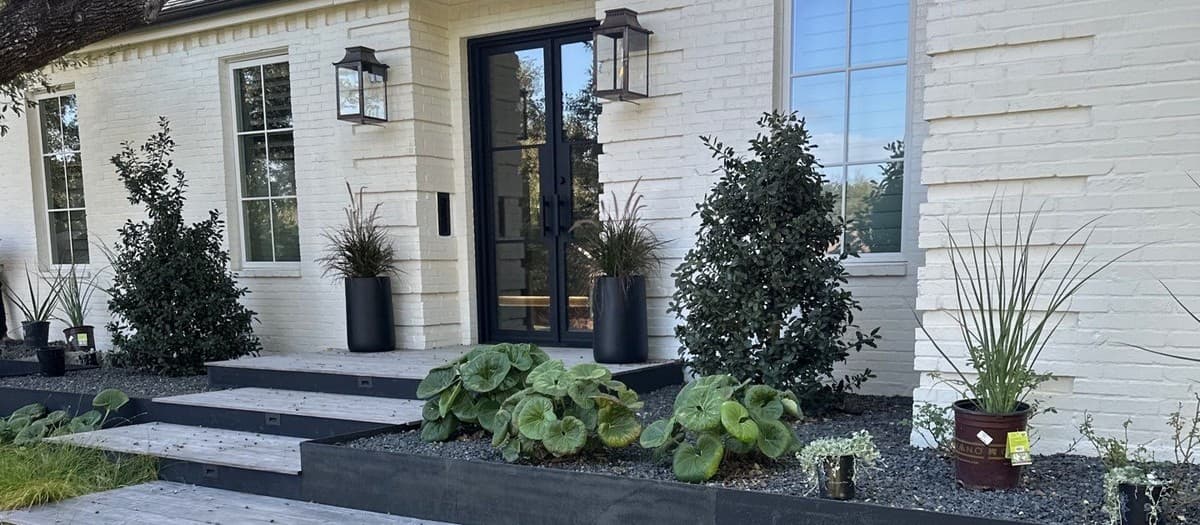
Every landscape proposal leaves money on the table. Not from underpricing — from not asking. Optional line items are how you ask without feeling like a pushy salesperson.
Most landscape contractors price exactly what the client asked for. Good instinct — you don't want to come in over budget. But there is a difference between adding things the client did not want and offering things they would say yes to if they knew to ask. Optional line items do the second.
Done right, optional line items add $500–$3,000 to average job value without a sales conversation. Done wrong, they feel like a car dealership upsell. The difference is in how you write them.
What Makes a Good Optional Line Item
A good optional item is something that: (1) connects directly to the job already in scope, (2) provides clear value the client can visualize, and (3) is easy to add at signing without re-quoting. If adding it requires major scope changes or a new site visit, it belongs in a separate proposal — not an optional line.
The best optional items are things clients mention at the site visit — and then forget to put in writing. Sealer for the patio. Lighting under the new pergola. An extra cubic yard of mulch in the beds while the crew is already there. You heard it. Put it in the proposal.
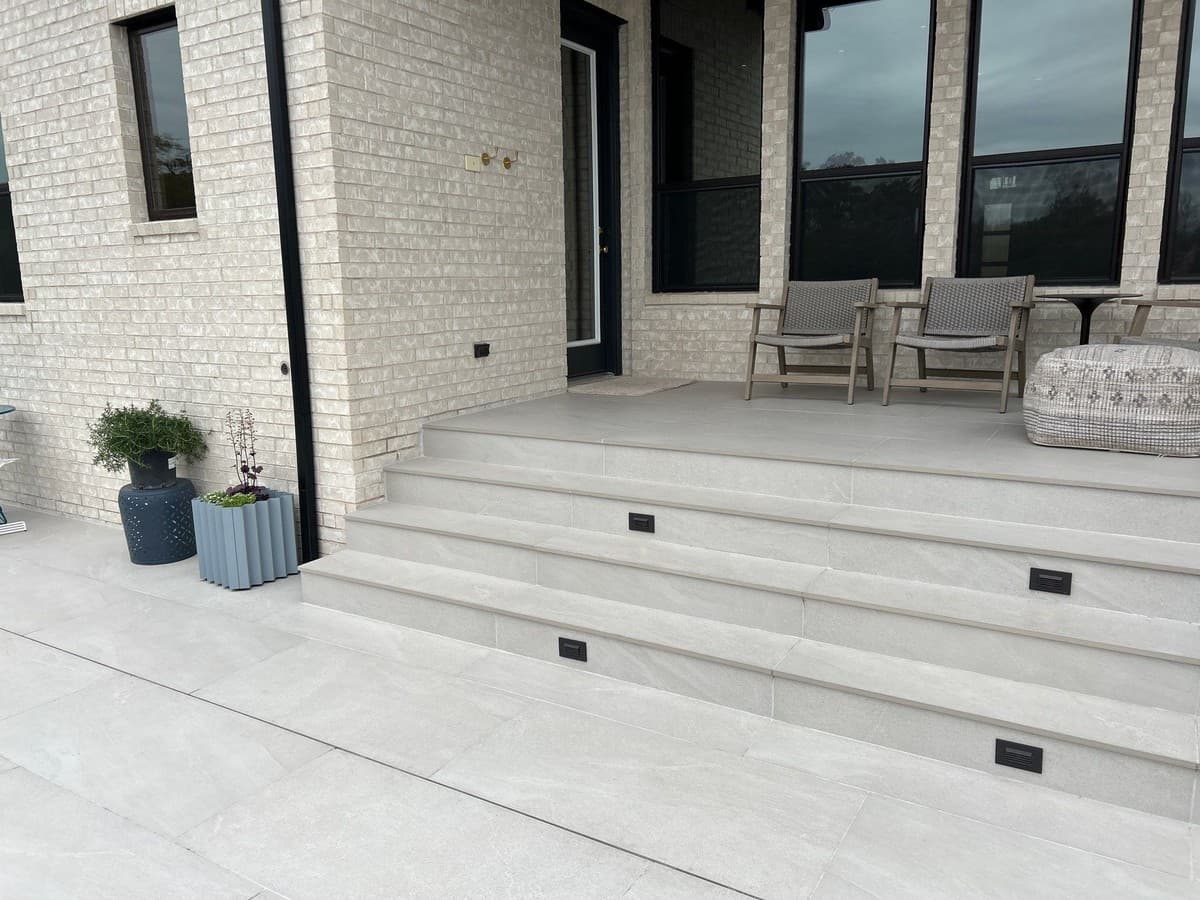
How to Write Optional Line Items That Get Selected
Give each optional item a one-sentence benefit statement, not just a label. "Paver sealer — $XXX" converts at a lower rate than "Wet-look paver sealer — enhances color, reduces weed intrusion, and protects against staining. Recommended while crew is already on site to avoid a return trip cost. $XXX."
That second version answers the three questions clients have about any optional: what is it, why do I want it, and does it make sense now? The phrase "while crew is already on site" creates urgency without pressure — it is just true.
15 Optional Line Items That Actually Get Selected
- Paver sealer (wet-look or natural finish) — offer both options at different price points
- Landscape lighting — path lights, step lights, or spotlights; priced per fixture
- Mulch refresh in adjacent beds — priced per CY while crew is on site
- Fire pit pad extension — additional SF of pavers for a fire pit area
- Gutter drain extension to daylight — if drainage was discussed at the site visit
- Decorative border / soldier course — contrasting paver edge around the perimeter
- Irrigation zone adjustment — if patio location affects existing heads
- Step installation — if patio is elevated and grade change warrants steps
- Privacy screen or trellis framing — if client mentioned privacy at the site visit
- Annual maintenance package — 1-year maintenance agreement following installation
"Optionals are not extras. They are things the client actually wants — you just made it easy to say yes."
Where to Put Optional Line Items in the Proposal
After the main scope and pricing, before the signature line. Label the section clearly: "Optional Add-Ons — Select at Signing." Keep them separate from required scope so the client does not get confused about what is included. Each optional item should have a checkbox or similar mechanism so the client can select it without creating a revision cycle.
Limit to 3–5 optional items per proposal. Too many reads as an upsell menu, not a helpful addition. Choose the items most relevant to that specific job and client.
Close more jobs
Ledge proposals get signed 3× faster than PDF quotes.
Good/Better/Best options, digital e-signature, job photos built in, and automatic follow-up reminders. Built for landscape contractors.
Book a Demo →Frequently Asked Questions
How many optional line items should I include?
Three to five is the right range. Fewer than three feels like you are not paying attention to the job. More than five feels like a sales pitch. Each option should be something you genuinely observed or heard during the site visit — not a generic list you paste into every proposal.
What if the client selects an optional item after already signing the base proposal?
Document it as a signed change order or an add-on authorization — not a verbal agreement. A quick email confirmation or a separate one-line add-on form is enough. Keep a paper trail so the addition is reflected in your invoice and is not disputed at project completion.
Should optional items be discounted if the client selects multiple?
Only if there is a real cost savings from combining them — for example, if adding sealer and lighting at the same time saves a mobilization cost. Do not discount just because a client selects three items. Each optional item was priced at its real value. Discounting trains clients to always ask for a deal.
What is the best way to bring up optional items during an in-person presentation?
Point to the section and say: "There are a few things I noticed at the site that I included as options — entirely your call, but they're priced out if you want to add any of them at signing." Then stop talking. Do not push. If the client is interested, they will ask. If not, move on. Low pressure, high conversion.
Edgar Galindo
Co-founder, Ledge
Edgar built Ledge while running a landscape design-build company in Central Texas. He started including optional line items in proposals after realizing how many clients were asking for add-ons after the job was already done.