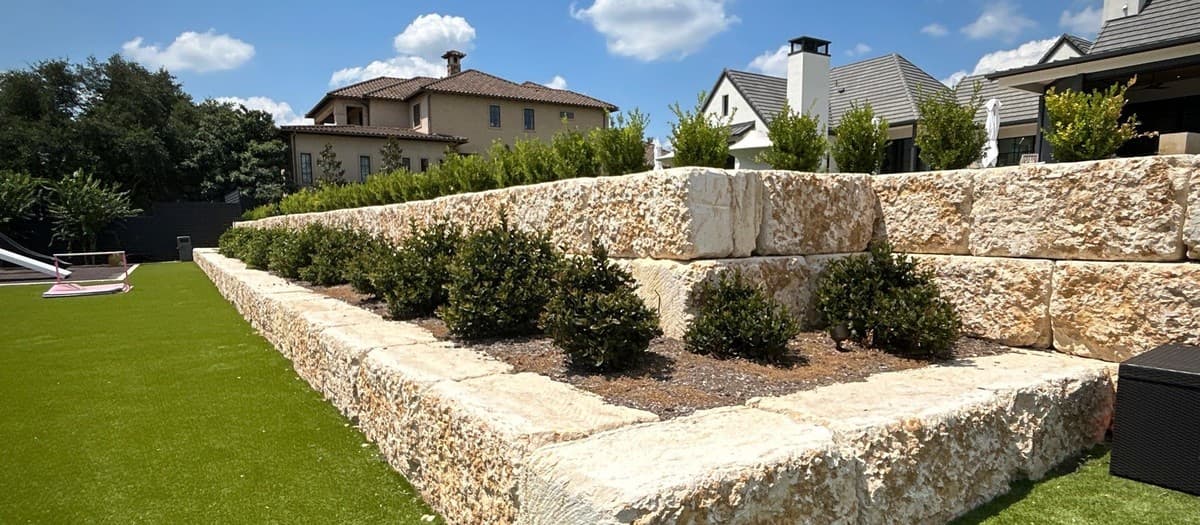
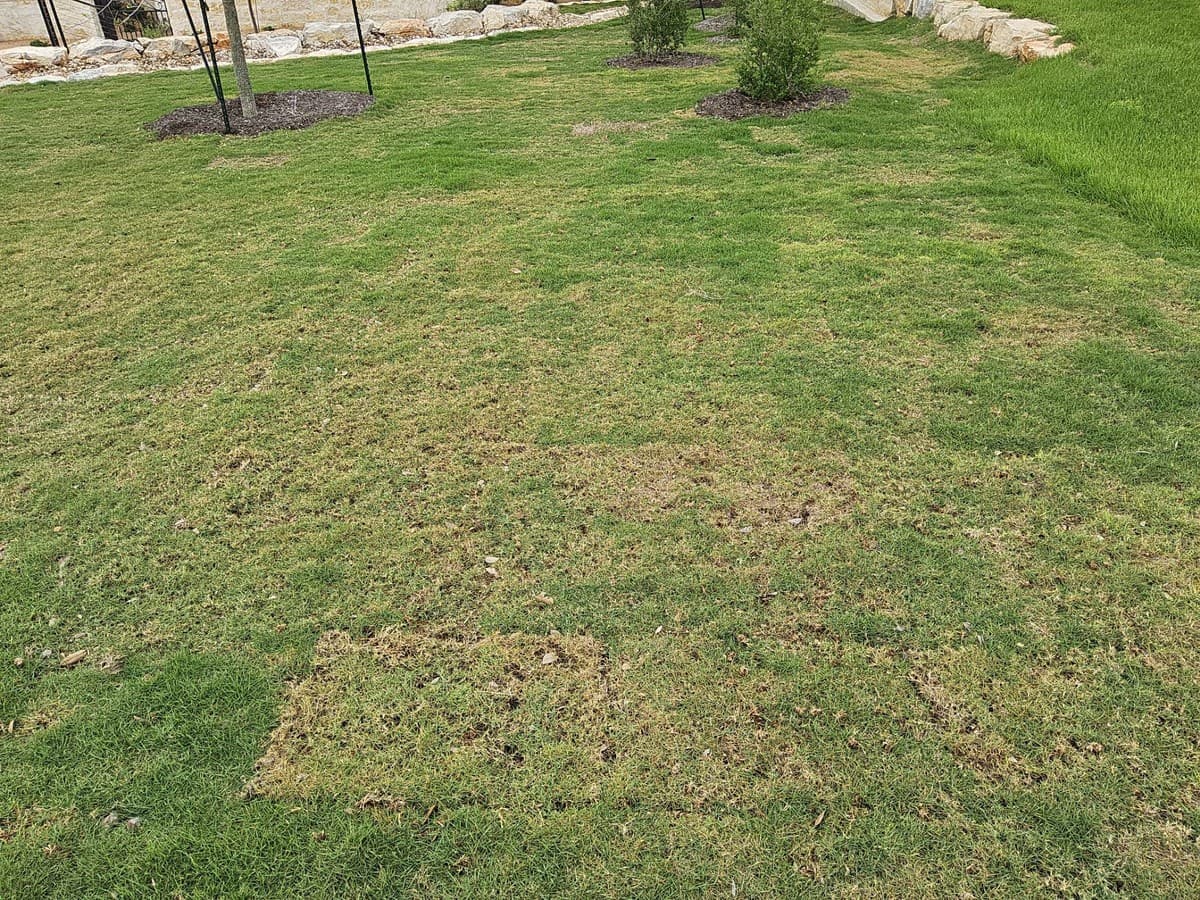
A bad sod job looks fine for two weeks, then dies in patches. Here's how to grade, prep soil, and lay sod so it roots fast and stays alive.
Most sod callbacks come from one of three things: wrong grade, shallow soil, or not enough water in the first 14 days. None of them show up right away. The sod looks green when you leave, the client is happy, and then three weeks later you get a photo of brown strips where the roller seams were. Fix the fundamentals before you ever unroll the first piece.
Grading: Slope, Drainage Direction, and Finish Grade
Target a 1–2% slope away from the structure. That works out to roughly 1/8 inch per foot. Less than that and water ponds. More than 2% and you start fighting erosion on slopes and have trouble getting sod to root before it slides. On flat lots, grade toward the lowest corner or a defined drainage outlet.
Finish grade should sit 1 inch below any hardscape edges — sidewalks, curbs, bed edges — so once the sod goes down and compresses, it lands flush. If you skip this step, you end up with sod that either sits high and dries at the edges or sits in a gutter against the concrete and stays too wet.
Check your grade with a laser level or a string line and a 4-foot level. A hand rake won't cut it for large areas. Use a box blade or a landscape rake dragged off a skid steer for anything over 1,000 square feet.
Soil Prep: Depth, Amendment, and Compaction
Sod roots need 4–6 inches of quality topsoil to establish. In Central Texas, native clay is common. Clay holds water but roots can't penetrate dense clay well. Rototill the top 4 inches and amend with a 50/50 blend of expanded shale and compost. Expanded shale breaks clay compaction permanently — unlike sand, which makes the problem worse.
After tilling, drag the area smooth and do a single light pass with a water-ballast roller to firm the seedbed. You want it firm enough that you don't sink in more than half an inch but not packed so hard roots can't penetrate. Then rake one final time to level out roller marks.
Apply a starter fertilizer — something like Lesco 18-24-12 or Lebanon Seacoast 10-20-10 — at label rate before laying sod. Work it lightly into the top inch of soil. Don't use a high-nitrogen fertilizer at this stage; you want root development, not top growth.
Choosing the Right Sod Variety for the Climate
For Central Texas and the South, you're mostly choosing between Bermuda, St. Augustine, and Zoysia. Here's the practical breakdown:
- Bermuda (Tifway 419, Latitude 36): Best sun tolerance, fastest spread, cheapest per pallet. Hates shade. Goes dormant and turns brown below 50°F. Good for high-traffic open areas.
- St. Augustine (Palmetto, Raleigh, Floratam): Handles partial shade, coarser texture, more disease-prone. Popular for residential backyard installs with tree canopy. Higher water demand in summer.
- Zoysia (Palisades, Emerald): Dense, weed-resistant, slower to establish. Premium price. Excellent drought tolerance once rooted. Slower winter green-up than Bermuda.
A standard pallet covers 450–500 square feet and weighs around 1,800 lbs. Plan your delivery route and staging area. Sod should go down within 24 hours of delivery — 48 maximum in cooler weather. Never stack pallets in direct afternoon sun.
"The sod farm delivers green. Your job is to make sure it stays that way for the next two years — and that starts with what you did before the truck showed up."
Laying Sod: Pattern, Seams, and Rolling
Start at a straight edge — a sidewalk, driveway, or building foundation. Lay the first row tight against it. Stagger joints in a brick pattern so seams never line up run to run. Butt pieces tightly; don't overlap and don't leave gaps. Gaps dry out. Overlaps create humps that die.
On slopes, lay pieces perpendicular to the slope. Stake pieces on grades steeper than 3:1 using 6-inch biodegradable stakes every 3 feet along each row. On severe slopes, use erosion blanket over the top until it roots.
After all pieces are down, roll the entire area with a water-ballast roller at half-fill. This presses the sod into contact with the soil and eliminates air pockets under the pieces — the main cause of dry spots. Roll perpendicular to the direction you laid the sod.
Watering Schedule for the First 30 Days
Water immediately after installation. The first 14 days are critical. The sod has no root contact yet — it's surviving on stored moisture in the mat. Your goal is to keep the soil beneath moist 2 inches deep at all times.
- Days 1–7: Water 2–3 times daily, 10–15 minutes per zone. Early morning, midday, and late afternoon. Lift a corner of a piece to check — soil underneath should be wet to the touch at 2 inches.
- Days 8–14: Pull back to once daily, 20–25 minutes per zone, early morning only.
- Days 15–30: Every other day, then transition to a normal schedule based on variety (Bermuda needs less than St. Augustine).
Tell the client to stay off the sod for the first 2 weeks. One pass with a lawn mower too early pulls pieces up before roots have set. First mow should happen once you can grab a corner and it resists — typically day 10–14 depending on heat and species.
Frequently Asked Questions
How deep does the topsoil need to be before laying sod?
Minimum 4 inches, ideally 6 inches. Below 4 inches, the sod can't develop enough roots to survive a Central Texas summer without constant watering.
What's the correct grade slope for a sod lawn?
1–2% away from structures. That's 1/8 to 1/4 inch per linear foot. Enough to move water away without creating runoff or erosion.
How much does a pallet of sod weigh and cover?
Approximately 1,800 lbs per pallet covering 450–500 square feet. Plan delivery access carefully — heavy pallets can crack concrete driveways if dropped wrong.
Bermuda vs. St. Augustine vs. Zoysia — which should I install in Central Texas?
Full sun open areas: Bermuda. Partial shade residential: St. Augustine. Premium lawns wanting density and drought resistance: Zoysia. Climate and client budget drive the call.
How long before the client can walk on new sod?
Two weeks minimum for light foot traffic. The sod needs to root into the soil before the pulling force of footsteps tears it loose. First mow at 10–14 days once corners resist pulling.
Track Sod Jobs Without Losing the Details
Ledge lets you build sod estimates by square footage, log soil and variety specs per job, and send proposals the same day you scope the site. No spreadsheets.
Edgar Galindo
Co-founder, Ledge
Edgar built Ledge while running a landscape construction company in Central Texas. He writes about installation techniques, estimating, and building a profitable field operation.