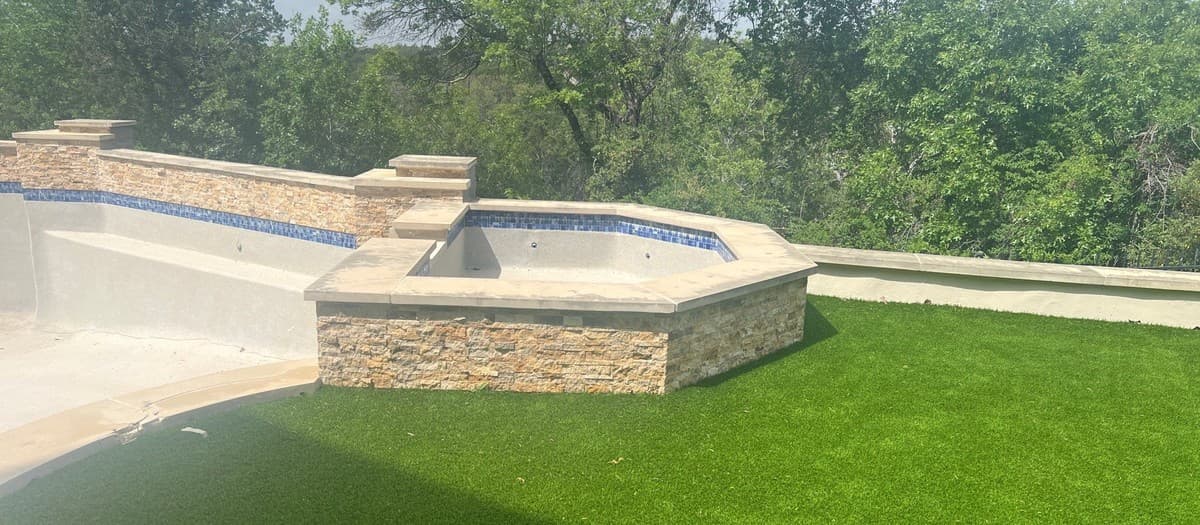
Visible seams and soft spots are the two things clients complain about after an artificial turf install. Both are fixable before the turf ever hits the ground.
Artificial turf is a big ticket item for clients. They paid a premium over natural grass expecting something that looks good for 10–15 years with minimal maintenance. When the seam shows through after one summer or the base develops a soft spot where the dog runs, you're eating the repair cost and the five-star review goes south. The fix isn't complicated — it's all process.
Sub-Base Excavation and Depth
Excavate 3–4 inches for a standard residential lawn. If you're over clay soil with poor natural drainage, go 4 inches minimum and consider a French drain perimeter before you start compacting. In play areas or dog runs where foot and paw traffic is constant, excavate 4–5 inches.
Remove all organic material — sod, roots, debris. Any organic matter left in the sub-base will decompose and create low spots over time. Use a sod cutter and dispose of spoils off-site. Spray the bare soil with a pre-emergent herbicide rated for use under hardscape (Snapshot 2.5 TG or Preen Landscape works well). Weeds punching through the backing over time are a common warranty complaint and an avoidable one.
Grade to a 1–2% slope across the area so water drains off the surface. Flat is not acceptable — standing water under synthetic turf creates heat retention, odor, and premature degradation of the backing.
Crushed Aggregate Base and Compaction
Use Class II road base or decomposed granite for the aggregate layer. Avoid plain crushed gravel — the angular aggregate in Class II compacts tightly and locks together, where round gravel shifts under load. Install 3 inches of compacted base as a minimum.
Compact in two lifts. Spread 1.5 inches, compact with a plate compactor at 95% Proctor density, then add the second 1.5-inch lift and compact again. One pass with a full-depth lift doesn't compact evenly — the bottom stays loose and you get settling after the first rain.
For areas with heavy use — putting greens, pet areas, kids' play zones — add a 1/2-inch finish layer of coarse sand (concrete sand, not masonry sand) on top of the compacted base. Drag it flat with a screed board before laying turf. This gives you a final leveling layer without compromising drainage.
Cutting, Laying, and Orienting the Turf
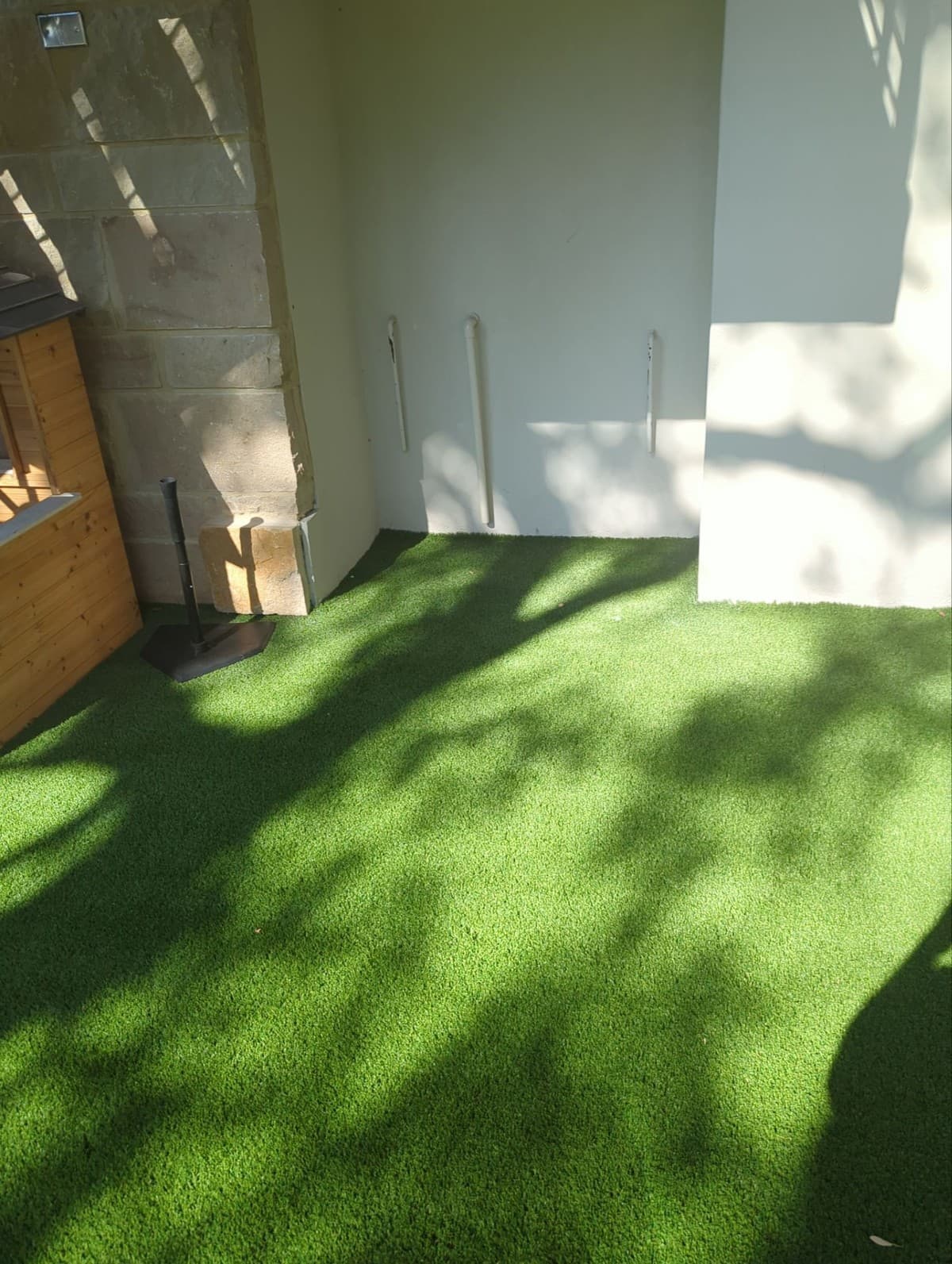
Always lay all pieces with the pile direction pointing the same way — typically toward the primary viewing angle (the house, the patio, the street). Pile direction changes across seams are visible from any angle in direct sunlight. This is the most common rookie mistake on multi-piece installs.
Let the turf relax for 30–60 minutes in the sun before final positioning and cutting. Turf rolls expand slightly when warm. Cutting cold turf to size, then having it expand in the heat creates buckling at the edges.
Use a straight edge and a carpet knife with fresh blades for all cuts. Cut from the back side of the turf — score the backing in one clean pass. Ragged cuts are the second most common cause of visible seams.
"Pile direction and seam prep account for 90% of artificial turf callbacks. Get those two right and the rest of the job is just labor."
Seaming: Tape, Adhesive, and Technique
Use 6-inch seaming tape — TurFix, SYNLawn, or FieldTurf brand tape all work. Center the tape under the seam before applying adhesive. Use a polyurethane adhesive (not latex) rated for outdoor UV exposure. Henry 663 or Roberts 6700 are industry standards for residential installs.
Apply adhesive to the tape, wait the open time per the label (typically 5–10 minutes until tacky), then fold each edge of turf onto the tape simultaneously. Pull the backing edges tight together — no gap, no overlap. Walk the seam, pressing down firmly. Use a seam roller or a rubber mallet along the full length.
After seaming, use a stiff brush to blend the pile across the seam. Fibers from both sides should intermingle. A good seam disappears when the infill is in and the fibers are brushed. A bad seam looks like a line even after infill.
Perimeter Nailing and Securing the Edges
Nail the perimeter using 6-inch galvanized landscape spikes or 3.5-inch spiral nails every 4–6 inches along all edges. Nails go through the backing but not through pile — push the fibers aside and nail into the backing. Nails placed through fibers create visible dots in the surface.
Tuck all edges under bender board, steel edging, or adjacent hardscape by at least 1 inch. Exposed backing edges lift, curl, and become a tripping hazard within a season. If the install is against concrete with no edging material, use Turf Tacks adhesive against the concrete face in addition to mechanical fasteners.
Infill: Types, Rates, and Application
Infill stabilizes the pile, weights the backing, and affects feel underfoot. The right infill depends on application:
- Silica sand: Most common, cheapest. Good for decorative lawns with no pet use. 2–3 lbs per square foot at 3/4 to 1-inch pile height. Locks pile upright and adds stability.
- Crumb rubber: Standard for sports fields and high-traffic zones. Better impact absorption. Gets hot in direct sun — not ideal for residential pet areas or barefoot use.
- Zeolite (Envirofill or similar): Best for pet areas. Absorbs ammonia from urine, reduces odor significantly. 2–3 lbs per square foot. Worth the upcharge on dog runs — the client will thank you at year two.
- Acrylic-coated sand (Durafill, FieldSand): Round coated particles that stay cooler and don't compact as much as raw silica. Premium residential installs where feel matters.
Apply infill in multiple passes with a drop spreader or a power broom set to drop. Work in perpendicular directions to distribute evenly. Drag a steel or stiff-bristle broom across the surface after each pass to work infill down into the pile. Finish by power-brooming the entire surface to stand the pile upright.
Frequently Asked Questions
How deep should the base be under artificial turf?
3–4 inches of compacted Class II road base for standard residential. 4–5 inches for heavy-use areas like dog runs, play areas, or putting greens.
How do you make seams invisible in artificial turf?
Match pile direction on all pieces, cut cleanly from the back, use polyurethane adhesive on seaming tape, and brush pile fibers across the seam after bonding. Good seams are invisible from 10 feet away.
What infill is best for pet areas?
Zeolite-based infill (Envirofill or similar). It absorbs ammonia and controls odor far better than silica sand. Use 2–3 lbs per square foot and pair it with a good perimeter drainage slope.
Does artificial turf need drainage?
Yes. Grade the sub-base at 1–2% so surface water drains off. Most quality synthetic turf backing is perforated at 30–40 in²/ft² of drainage capacity, which handles heavy rain — but only if the base below drains too.
How do you prevent weeds from growing through artificial turf?
Spray bare soil with a pre-emergent herbicide before laying base material. Snapshot 2.5 TG is effective for 6–8 months. Reapply annually through the seams if needed. Geotextile fabric under the base adds an extra barrier but is not a substitute for pre-emergent treatment.
Estimate Turf Jobs Faster With Ledge
Build square footage estimates with material line items for base, infill, and turf in minutes. Send a professional proposal before you leave the client's driveway.
Edgar Galindo
Co-founder, Ledge
Edgar built Ledge while running a landscape construction company in Central Texas. He writes about installation techniques, estimating, and building a profitable field operation.