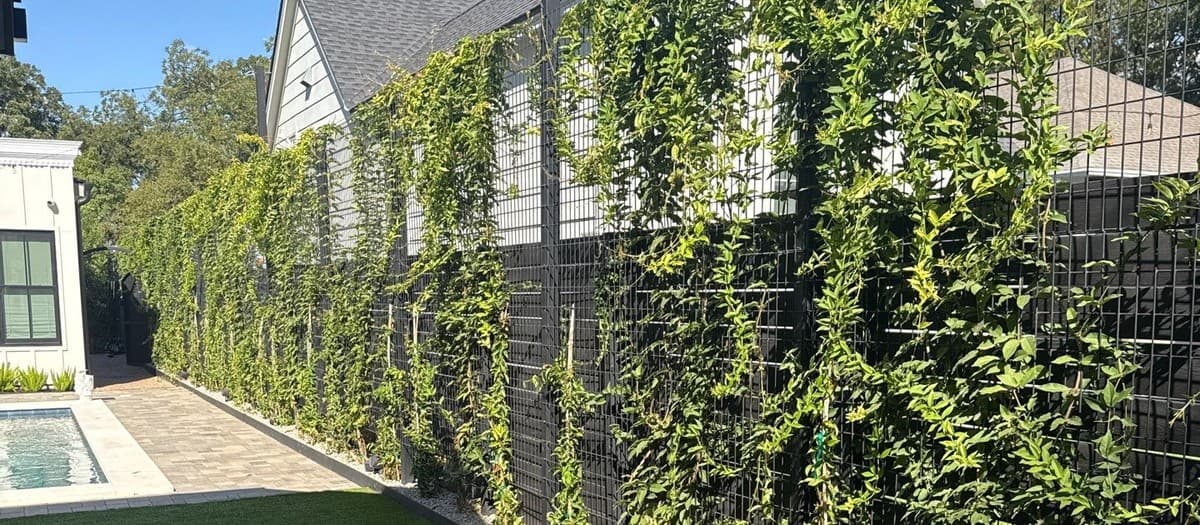
Artificial turf jobs have a wide margin range. The difference between a profitable install and a money-loser usually comes down to four line items contractors leave out of the estimate.
Artificial turf carries good margins when you price it right. The problem is that most contractors quote turf per square foot and absorb the base, infill, bender board, and seaming labor into a single number they pull from the last job they bid. The last job is not this job.
An artificial turf install has five distinct cost layers. Price them separately and your estimate is defensible. Price them as a single per-SF blended rate and you will undercharge on any job that deviates from your mental baseline.
The Full Cost Breakdown Per Square Foot
Installed artificial turf on a residential site runs $8–$18/SF all-in, depending on turf quality, base depth, infill type, and site access. Here is each component:
- Excavation and grading: $1.00–$2.00/SF. You are removing 3–4 inches of soil, then fine-grading for drainage. If there is existing sod, add $0.15–$0.25/SF for scalping and haul-off.
- Crushed aggregate base (3–4 inches compacted): $0.80–$1.40/SF. Decomposed granite or 3/8-inch crushed rock are both common. DG compacts tighter; crushed rock drains faster. Know your local drainage requirements.
- Weed barrier fabric: $0.08–$0.15/SF. Non-negotiable under artificial turf. Skip it and you are getting a callback in 18 months when nutsedge pushes through the seams.
- Turf material: $2.50–$6.50/SF. Entry-level turf (25–35 oz face weight) starts around $2.50/SF. Premium products with realistic blade shape, thatch layer, and UV warranty land at $5.00–$6.50/SF. Add 10–15% for seams and cuts.
- Infill: $0.40–$1.20/SF depending on type. Silica sand is cheapest. Crumb rubber is middle. Zeolite (odor-control for pet areas) and coated sand products like Envirofill run $0.80–$1.20/SF. Specify coverage rate from the turf manufacturer — it varies by product.
- Bender board / edging: $1.40–$2.20 per linear foot. Measure the perimeter exactly. Curved areas require flexible bender board; straight runs can use rigid aluminum edging. Price by LF, not area.
- Installation labor: $1.50–$2.50/SF. Includes base compaction, turf layout, seaming, nailing, and infill brooming. Seam count matters — two seams on a simple rectangular area versus five seams on an irregular shape with a putting green element is a different labor estimate.
The Line Items That Gut Artificial Turf Margins
Turf is a high-ticket sale. Clients see the price and expect a polished result. That pressure makes contractors cut corners on the estimate rather than the scope, and that is where the money goes.
Seaming labor. Seaming artificial turf takes skill and time. A bad seam shows in sunlight and will cost you a redo. Budget at least 30 minutes per seam for a clean result — more on complex curves. If your crew is not experienced, that time goes up, not down. Price it honestly.
Infill quantity. Infill coverage rates on the spec sheet are for ideal conditions. On a job site with wind, irregular shapes, and multiple pile heights, you will use more. Build in 10% overage on infill orders. You cannot broom in infill you do not have.
Turf direction. Artificial turf has a grain direction. Lay it wrong relative to the primary viewing angle and the color reads differently. On large areas or L-shapes, this can force an additional seam you did not plan for. Sketch turf layout before you measure — it affects your material order.
Dump fees for excavated material. A 500 SF turf area excavated 4 inches deep moves about 6–7 cubic yards of material. At 1.4 tons/CY for soil, that is 8–10 tons on a dump truck. Price your disposal — do not absorb it.
How to Calculate Turf Quantity
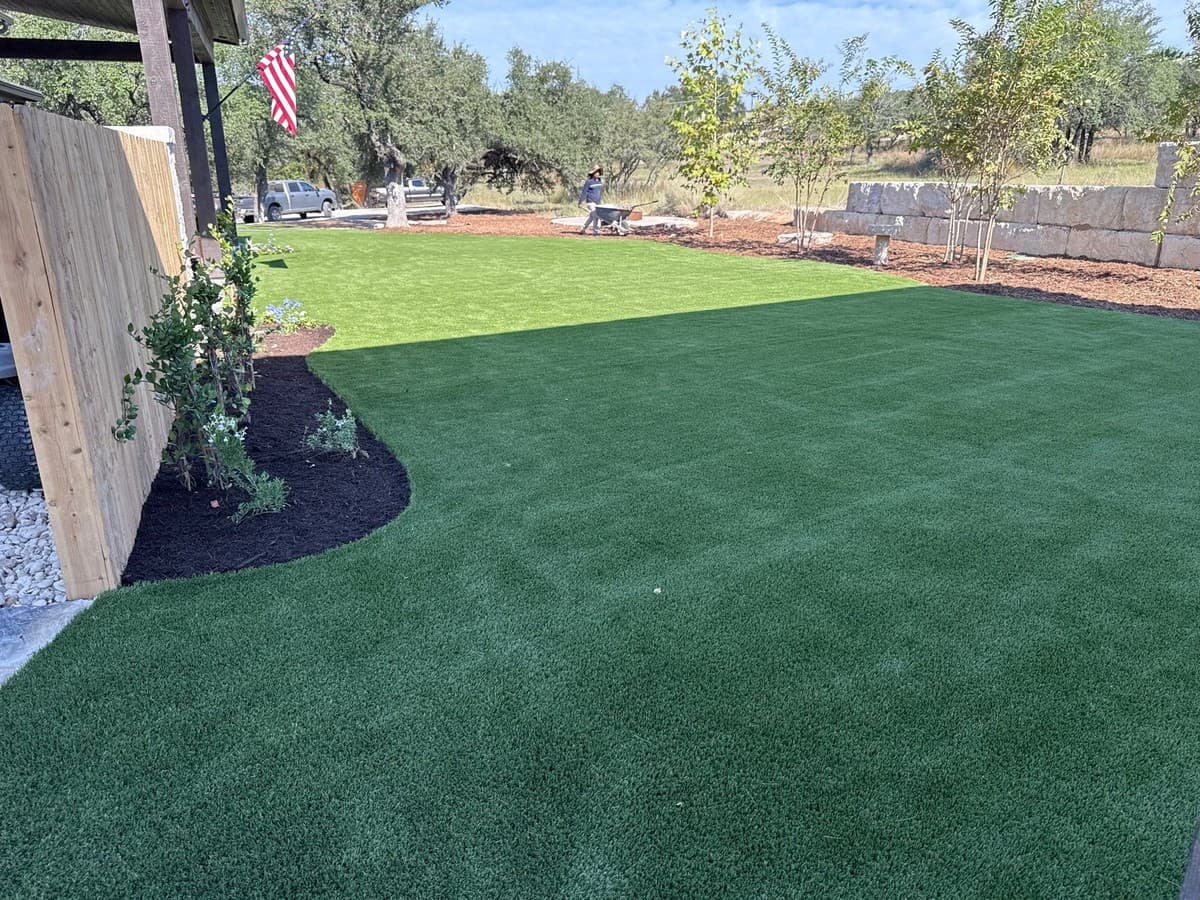
Artificial turf rolls come in standard widths — usually 12 or 15 feet. Your order needs to account for roll width and seam placement, not just square footage. Here is the calculation sequence:
- Measure the area and sketch the turf layout showing roll orientation and seam locations.
- Calculate how many roll widths fit across your area. A 20-foot-wide area needs two 12-foot rolls (24 LF total width, trimmed to 20) — not one roll of 20 SF.
- Add 6–12 inches per seam for overlap. Add another 10–15% for waste at cuts, edges, and irregular shapes.
- Order the minimum number of pieces that covers your layout. More seams equal more labor and more risk of visible joints.
"You cannot seam your way out of ordering the wrong roll width. Sketch it before you measure."
Pet-Friendly vs. Standard Installs: What Changes
Dog runs and pet areas need a different spec. The base should be 4 inches of crushed rock for faster drainage. The turf should have a perforated backing — not just drainage holes, but a fully permeable backing that lets urine pass through fast. Infill must be antimicrobial. Zeolite is the most common; it adsorbs ammonia and reduces odor.
Budget a 15–25% premium on both material and labor for pet installs. Clients with dogs will accept the upcharge without negotiation when you explain why. What is the cost of a call-back because their yard smells in summer? They know.
Stop blending line items
Price every turf component in one estimate.
Ledge has assembly-based estimating built in — enter square footage, roll width, and infill type, and the system prices base, turf, bender board, and labor separately. No more margin surprises at job close.
Book a Demo →Frequently Asked Questions
What does artificial turf installation cost per square foot?
Installed cost runs $8–$18/SF for most residential artificial turf projects. Entry-level turf with a standard base lands at the lower end. Premium turf with pet-spec base, zeolite infill, and complex shapes pushes toward $18. Build your estimate from actual supplier pricing — the range is too wide to use an average.
How deep should the base be under artificial turf?
Standard residential installs use 3–4 inches of compacted aggregate base. Pet areas and high-drainage-demand sites should use 4 inches of crushed rock. Shallow base is the most common reason artificial turf develops drainage problems or an uneven surface within 2–3 years.
How much waste should I add to my turf material order?
Add 10–15% for cuts, seam overlaps, and irregular shapes. More importantly, sketch your roll layout before ordering. Roll width determines how you cut, and cutting the wrong direction against turf grain creates visible color differences at seams.
What infill should I use for a pet area?
Zeolite is the standard recommendation for dog runs — it adsorbs ammonia and controls odor. Envirofill and similar coated sand products are good alternatives. Silica sand alone is not sufficient for pet areas. Budget $0.80–$1.20/SF for odor-control infill versus $0.40–$0.60/SF for standard silica.
Edgar Galindo
Co-founder, Ledge
Edgar built Ledge while running a landscape design-build company in Central Texas. Artificial turf was one of the first scopes he learned to price the hard way — once you absorb seaming labor into a flat SF rate, you feel it.