New subdivision homeowners are blank-slate prospects with fresh landscaping budgets and zero contractor relationships. The contractor who gets in first wins most of the jobs.
New housing developments are one of the most concentrated sources of landscape leads available to a local contractor. A subdivision with 80 new homes being built means 80 families who will need landscaping in the next 12 to 18 months — and most of them have no contractor relationships yet.
The contractors who win those jobs don't wait for homeowners to move in and start searching Google. They establish themselves in the subdivision before the first resident arrives. Here's how that works.
Find Developments Early
The best time to engage a new subdivision is during the framing and early construction phase — 4 to 8 months before the first homes close. At this stage, the builder is still on-site, the streets are being laid, and no one has moved in yet.
Find new developments through:
- Local building permit records (public in most counties, searchable online)
- Your local homebuilder association — members get early visibility into new projects
- Real estate listings for new construction subdivisions in your market
- Driving your service area and noting active construction sites with builder signs
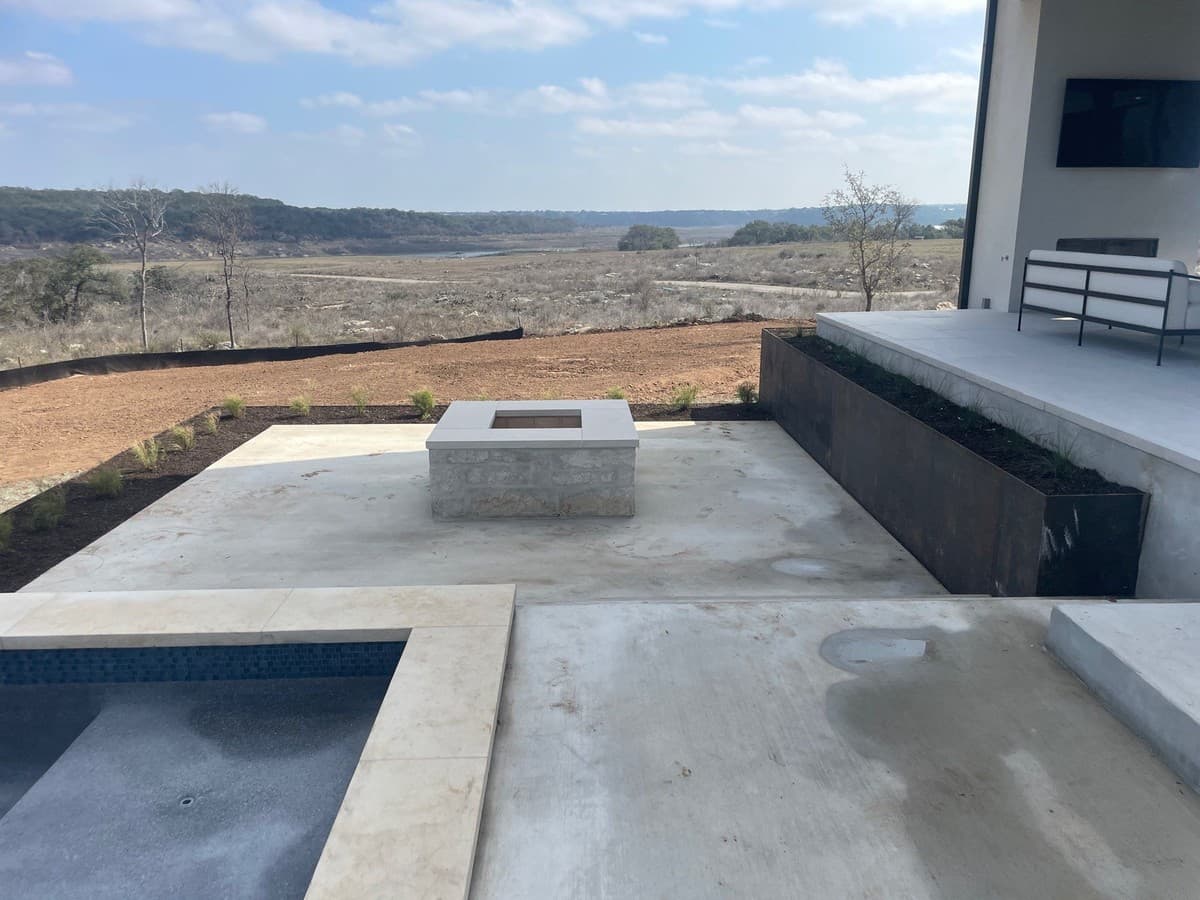
Build a Relationship With the Builder
The builder is your first access point. They often have a preferred vendor list they share with buyers. If your company is on that list, you get warm referrals to every homeowner who closes in that subdivision.
Visit the builder's on-site office during business hours. Introduce yourself and your company. Bring a simple one-page overview of your services, insurance information, and a few recent project photos. Ask if they have a vendor referral program for new homeowners. Many builders already have this and are looking for quality landscape contractors to add.
Offer to do one job in the subdivision at a slight discount as a showcase property. If the result is visible from the street and impressive, it markets itself to every other homeowner who drives by.
"We got on one builder's preferred vendor list in a 120-home subdivision. Over 18 months, we completed 23 backyard projects in that neighborhood — all referrals from the builder or neighbor-to-neighbor word of mouth."
Work With New Home Real Estate Agents
New construction real estate agents work with buyers who are planning their homes from scratch. These buyers are making dozens of decisions about their new property and often ask their agent for contractor recommendations.
Build a relationship with 3 to 5 agents who specialize in new construction in your market. Invite them to see a finished project. Send them a simple marketing packet they can share with clients. Offer to co-host a new homeowner workshop on "Planning Your Landscape in a New Build" — this positions you as an expert and puts you in front of a room of your ideal prospects.
Reach Homeowners Directly After Move-In
Most new subdivision homeowners move in with a blank slate yard — raw dirt or minimal seeding. The urgency to do something kicks in immediately, especially if they have neighbors moving in simultaneously and comparing yards.
Door hangers timed to the move-in wave work well: "Welcome to the neighborhood. We specialize in landscape design and installation for new builds. We've already completed [number] projects in [subdivision name] — scan the QR code to see our work." Include a QR code linking to your portfolio.
The social proof of already having done work in their specific neighborhood dramatically increases conversion compared to generic outreach.
Leverage the Neighbor Effect
In a new subdivision, every finished yard is visible from the street and neighbors talk constantly. Your job site sign while you're working, your clean crew presence, and the quality of the finished result are all marketing to every homeowner in a 10-house radius.
After every project in a new subdivision, ask the client: "We love doing work in this neighborhood. Do you know any neighbors who have been talking about their yard?" Then activate your referral program. In a tight-knit new community where people are sharing recommendations constantly, one job can seed five more within 90 days.
Manage subdivision leads without dropping the ball.
When you have 15 leads from one neighborhood all requesting quotes at the same time, Ledge keeps them organized, follows up automatically, and helps you close 3× faster.
FAQ
How do I find the name and contact for a subdivision builder?
The builder's name is typically on signage at the site entrance. Search the company name online to find contact information and a sales office. Your county's building permit records also list the builder name on every permit. Local homebuilder association directories are another source.
What if the builder already has a preferred landscape contractor?
Ask if they have room for an additional vendor. Many builders refer to multiple contractors depending on the type of project. Even if the builder uses one contractor for basic sod installs, they may want a separate referral for custom hardscape and design-build projects. Position yourself for the higher-value scope.
Is it worth doing a discounted showcase project to get into a subdivision?
Yes, if the subdivision is the right fit for your business and has enough homes to justify the reduced margin. A 10 to 15 percent discount on one $20,000 project that leads to 8 full-price jobs is an excellent investment. Don't do it for small subdivisions or in markets where you're already fully booked.
How quickly do new homeowners actually hire landscape contractors?
It varies. Some homeowners hire within 30 days of closing — they planned the landscaping before they moved in. Others wait 6 to 12 months until they've settled in financially. Stay visible in the subdivision with ongoing signage on active jobs and occasional door hanger campaigns to catch the later-movers.
Edgar Galindo
Co-founder, Ledge
Edgar built Ledge while running a landscape construction company in Central Texas. He writes about lead generation, client retention, and building a landscape brand that commands premium pricing.