Every hardscape job you install is surrounded by problems you could solve and value you could add. Knowing when and how to present it is the difference between a $14k and a $22k job.
Most hardscape contractors are leaving 30 to 50 percent of their potential revenue on the table. Not because they're doing bad work, but because they're only presenting clients with what the client asked for — and never raising what the client didn't know to ask about.
A patio job without drainage is a future warranty call. A retaining wall without lighting is a backyard that goes dark at 7pm half the year. These aren't hard sells — they're problems the client already has, waiting to be named.
The Site Visit Is Where You Earn the Upsell
Every upsell conversation starts at the site visit, not in the proposal. Walk the property with the client and ask questions that reveal adjacent problems:
- "Does this area puddle after a heavy rain?" (Opens drainage conversation)
- "Do you ever use the yard in the evenings?" (Opens lighting conversation)
- "Do you have irrigation back here, or do you hand water?" (Opens irrigation conversation)
- "Are you planning to plant anything in this area once the hardscape is done?" (Opens planting and irrigation conversation)
These questions are genuine, not manipulative. You're uncovering real problems that will affect the quality and longevity of their finished project. The client appreciates being asked.
Drainage: The Easiest Upsell Because It's a Real Problem
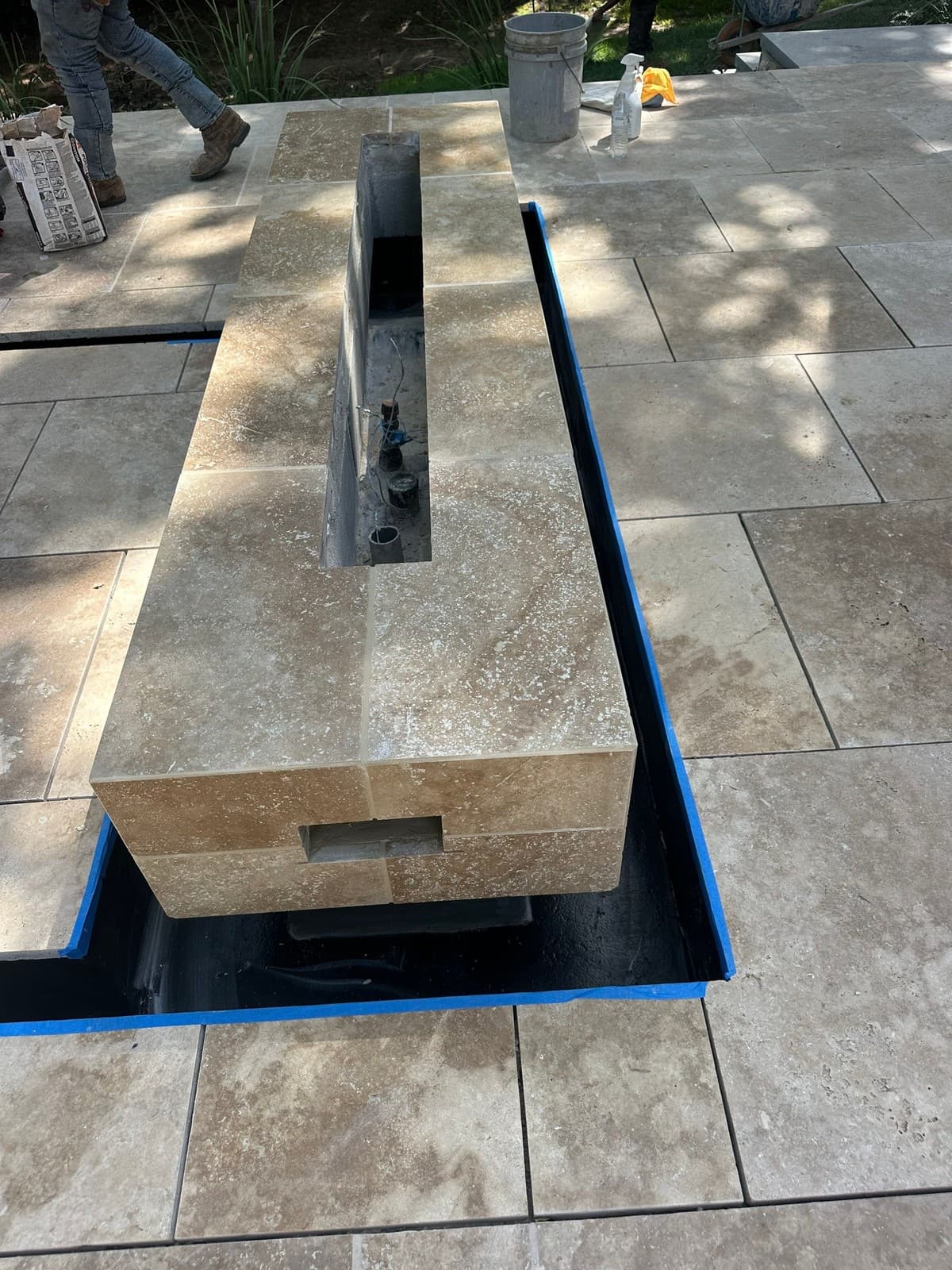
Drainage is the most natural add-on for any hardscape project. Improperly managed drainage around a patio causes heaving, erosion, and washout — outcomes that reflect poorly on your work even when they're the client's fault for not addressing it.
Frame it as protection: "We always recommend including a drainage channel around the patio perimeter — it's what protects the install long-term and keeps you from having issues after the first big rain." This is not a hard sell. It's professional advice that a good contractor gives. Clients who pass on drainage and then have problems often call you back anyway — but now it's a service call, not a planned add-on.
Drainage add-ons typically range from $1,500 to $6,000 depending on scope. For a $15,000 patio job, that's a 10 to 40 percent ticket increase.
"I stopped thinking of drainage as an optional add-on and started presenting it as part of what proper installation looks like. My close rate on the drainage line item went from 40% to 85%."
Landscape Lighting: High Margin, High Satisfaction
Low-voltage landscape lighting is one of the highest-margin services in the landscape business. Material costs are relatively low, installation is efficient, and the visual impact at night is dramatic enough to make clients emotional about the result.
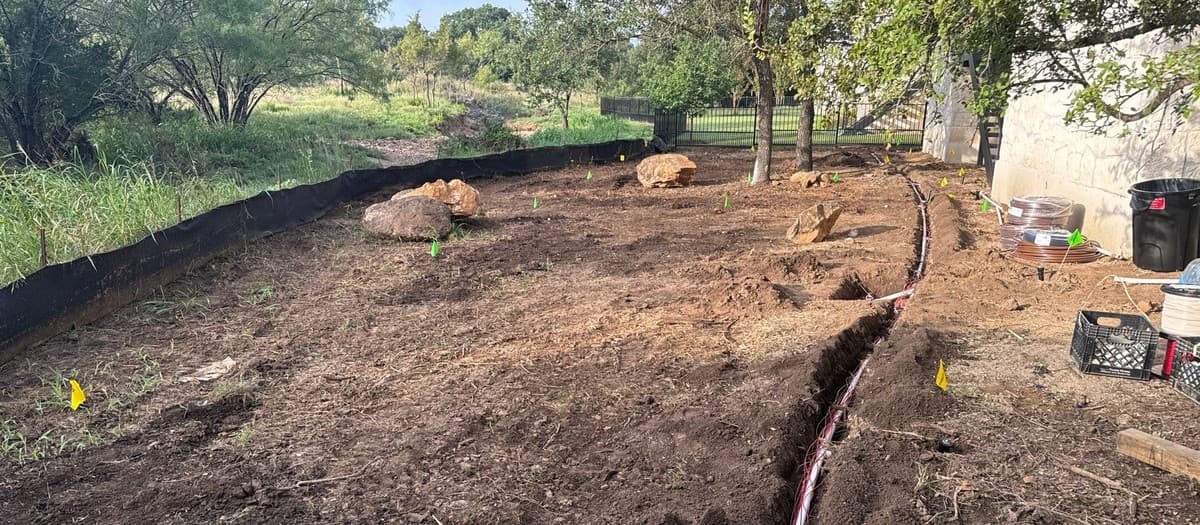
The best time to run conduit and wire for lighting is before the hardscape goes down — retrofitting later is expensive and disruptive. Present lighting during the site visit as a now-or-never efficiency: "We can rough in the conduit for lighting while the base is open — it costs a fraction of what it would cost to add it after. Even if you're not sure about the fixtures yet, it makes sense to rough in the infrastructure."
A basic lighting package for a patio runs $2,000 to $5,000. Full landscape lighting systems with uplights, path lights, and area lighting can reach $10,000 to $15,000. Even modest clients will say yes to $2,000 in lighting when the alternative is retrofitting later for more.
Irrigation Extensions: Protect the Plants, Protect the Project
If you're doing any planting as part of or adjacent to a hardscape project, irrigation is a natural conversation. "You've invested in these plants — hand watering is inconsistent and most people don't keep up with it after the first season. We can extend your existing system to cover this area for $X."
If they don't have an irrigation system, the conversation is bigger but still natural: "Without irrigation, you'll spend 30 to 45 minutes hand watering this zone every other day in summer. A drip system for this area runs around $X and pays for itself in the first season."
How to Present It Without Feeling Pushy
Include each add-on as a separate line item in your proposal with a clear description and price. After each line item, add one sentence explaining why it's included. Don't present it as optional — present it as what a complete project looks like, and let the client decide what to include.
When clients review the proposal, they'll ask about items they want to remove. That's fine. The starting point of a complete scope is better than a stripped-down scope that the client has to mentally add to.
Build proposals that show the full scope.
Ledge makes it easy to build itemized proposals with drainage, lighting, and irrigation line items built in — so you never forget to present the full picture.
FAQ
What if I don't offer lighting or irrigation in-house?
Subcontract it. Build a relationship with a lighting installer and an irrigation company. Include their scope in your proposal at a marked-up price. You coordinate the project, invoice the client for everything, and pay the subs. Clients prefer one-stop project management and you keep the margin.
How do I bring up add-ons without it feeling like a sales pitch?
Ask about the problem first, then mention the solution. "Does this area flood?" is a genuine question. Once they confirm the problem, you're providing a solution — not pitching a product. Lead with the problem, follow with the fix. That sequence feels like advice, not sales.
Should I include add-ons in the base proposal or present them separately?
Include them in the main proposal as line items. Separating them into an "add-on menu" makes them feel optional and easy to ignore. When they appear as line items in the main proposal with rationale, clients evaluate them seriously instead of dismissing them immediately.
How much does adding these items increase my average job value?
Contractors who consistently present drainage, lighting, and irrigation on hardscape jobs see average ticket increases of 35 to 60 percent. A $15,000 base patio job can become a $22,000 to $24,000 project with a drainage system, basic lighting, and an irrigation extension — all of which are genuinely valuable to the client.
What's the right markup on lighting and irrigation subcontract work?
A 15 to 25 percent markup on subcontracted work is typical and reasonable. You're earning this for project coordination, client communication, warranty accountability, and the relationship you've built with the sub over time.
Edgar Galindo
Co-founder, Ledge
Edgar built Ledge while running a landscape construction company in Central Texas. He writes about lead generation, client retention, and building a landscape brand that commands premium pricing.