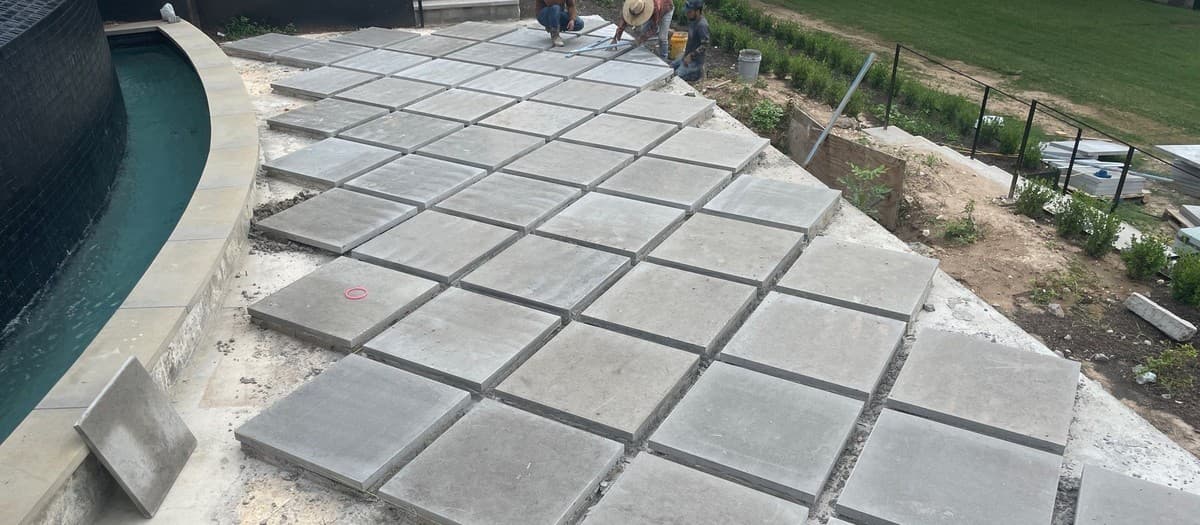
You just built a $22k patio. The client loves it. In 30 days they'll have grass growing in the joints, plants drying out, and a drain clogged with leaves. That's your next contract.
A new hardscape installation requires ongoing care to stay looking the way it did on day one. Paver joints need periodic sand replenishment. Drainage channels need seasonal cleaning. Planting beds need quarterly maintenance. Lighting fixtures need bulb replacement and adjustment. The client doesn't know how to do any of this — and they don't want to learn.
A maintenance contract converts a one-time $22,000 install into a client relationship worth $3,000 to $8,000 per year in recurring revenue. Do that for 15 clients and you have a reliable revenue base before you book a single new installation job. The math changes everything.
Why Hardscape Clients Are the Best Maintenance Prospects
A client who spent $15,000 or more on a patio cares about protecting that investment. They're not the homeowner who pulls their own weeds and mows their lawn every weekend — they've already demonstrated they'll pay for professional services. The jump from a one-time installation to an annual or seasonal maintenance contract is much smaller than selling maintenance to a cold prospect.
They also trust you specifically. You built the thing. You know the drainage channels, the joint sand type, the plant varieties. You're the logical person to maintain it.
Introduce Maintenance at the Right Moment
The closeout walkthrough is the moment. The client is emotionally high on the finished result. They're looking at something beautiful and thinking about how to enjoy it for years. That's when you explain what keeping it that way looks like.
"Paver patios are low-maintenance but not no-maintenance. The joint sand needs to be topped off every 12 to 18 months and the surface should be sealed every 3 to 4 years. The drain here needs to be cleared twice a year — spring and fall. We offer a maintenance plan that covers all of this for a flat annual fee. A lot of our install clients go this route so they don't have to think about it. Want me to email you the details?"
This is not a hard pitch. It's informational. You're telling them what the project needs to stay beautiful and offering to handle it. The client either says yes now or you follow up within 30 days.
"We added a maintenance close offer to every installation project. Within 8 months we had 22 recurring maintenance clients from installs. That's $8,400 per month in guaranteed revenue before we take a single new install call."
Structure Your Maintenance Offer
A maintenance plan for a hardscape client typically includes some combination of:
- Seasonal paver cleaning and joint sand replenishment (1x or 2x per year)
- Drainage channel inspection and cleaning (spring and fall)
- Landscape lighting inspection and bulb replacement as needed
- Irrigation system startup and winterization (if applicable)
- Planting bed maintenance — mulch refresh, weeding, pruning — on a seasonal schedule
- Annual paver sealing (every 3 to 4 years as part of a long-term plan)
Price it as an annual contract paid monthly or quarterly. Annual flat rate pricing feels more manageable to clients than itemized per-visit billing and is predictable for your cash flow. A typical hardscape maintenance plan runs $1,800 to $6,000 per year depending on scope and property size.
Reactivating Past Install Clients Who Didn't Sign Up
For every install client from the past 2 to 3 years who doesn't have a maintenance contract with you, send a check-in email or text 12 months after project completion:
"Hi [Name], it's been about a year since we finished your patio — hope it's still looking great. This is a good time of year to do a maintenance check on the joints, drainage, and any planting we installed. We offer a quick seasonal service visit for [$ amount] — same crew who built it, so we know exactly what to look for. Want to schedule one?"
This single-service seasonal visit is an easy yes for most clients. Once they experience the maintenance visit and see the value, moving to an annual plan is a natural next step.
The Long-Term Value of a Maintenance Client
A client on a $3,000/year maintenance plan who stays for 5 years is worth $15,000 in recurring revenue — plus any new installation phases they approve along the way. They also refer at higher rates than one-time clients because you're visible in their yard regularly and they're reminded of your work every time they use their outdoor space.
Contractors who build a maintenance base of 30 to 50 clients have a financial floor that makes the entire business more stable. Slow periods in new installs don't threaten payroll when you have $10,000 to $15,000 per month in recurring maintenance revenue running underneath.
Build recurring revenue. Keep your clients close.
Ledge tracks every past client and project so you never lose track of who needs a follow-up, a maintenance visit offer, or a seasonal check-in. Contractors save 12 hours per week with Ledge — hours you can spend closing more maintenance accounts.
FAQ
What if I don't currently offer maintenance services?
Start with the services you already know how to do from your installation work — joint sand, drainage cleaning, planting bed care. You don't need a full maintenance operation on day one. Build the service line incrementally as you add clients. Hire or subcontract the pieces you can't handle yet.
How do I price a maintenance contract?
Start by estimating the time required for each service visit and the number of visits per year. Multiply by your labor rate, add materials, add 15 to 20 percent for overhead and profit, and you have your floor. Add 10 to 15 percent for the convenience premium of an annual contract. Most clients pay for convenience — they want to call one person and have it handled.
How do I handle clients who cancel their maintenance plan?
Find out why. If it's price, discuss what scope you can deliver at a lower tier. If it's satisfaction, address the specific issue. If they just don't need it anymore (sold the house, moved, changed plans), thank them and add them to your referral outreach list. A client who cancels isn't necessarily a failed relationship.
Is a written contract necessary for maintenance services?
Yes. A simple one-page maintenance agreement protects both parties. It should define the scope of services, the frequency of visits, the annual cost and payment schedule, and a cancellation policy. Clear contracts reduce disputes and make the service feel professional rather than informal.
What percentage of install clients typically convert to maintenance?
Contractors who actively offer and follow up on maintenance at install close typically convert 25 to 40 percent of installation clients to maintenance accounts within the first year. Without a proactive offer, conversion is typically under 10 percent — most clients simply don't think to ask.
Edgar Galindo
Co-founder, Ledge
Edgar built Ledge while running a landscape construction company in Central Texas. He writes about lead generation, client retention, and building a landscape brand that commands premium pricing.