You priced the job. You did the work. You checked the invoice and still made less than you planned. Third-party costs that are not scoped correctly are almost always the reason.
A $28,000 bid goes out. The job finishes and the gross margin comes in at 22% instead of the 42% you targeted. Your labor was on budget. Your material invoices were close. So what happened? Nine times out of ten, it is third-party costs that were estimated too loosely, marked up too little, or not included at all.
Third-party costs are anything you pay to someone other than your own crew: subcontractors, suppliers with delivery fees, equipment rental companies, inspection services, and utility companies. They are real money out of your account — and they need to be scoped just as carefully as your own labor.
Subcontractor Markup: The Most Common Margin Leak
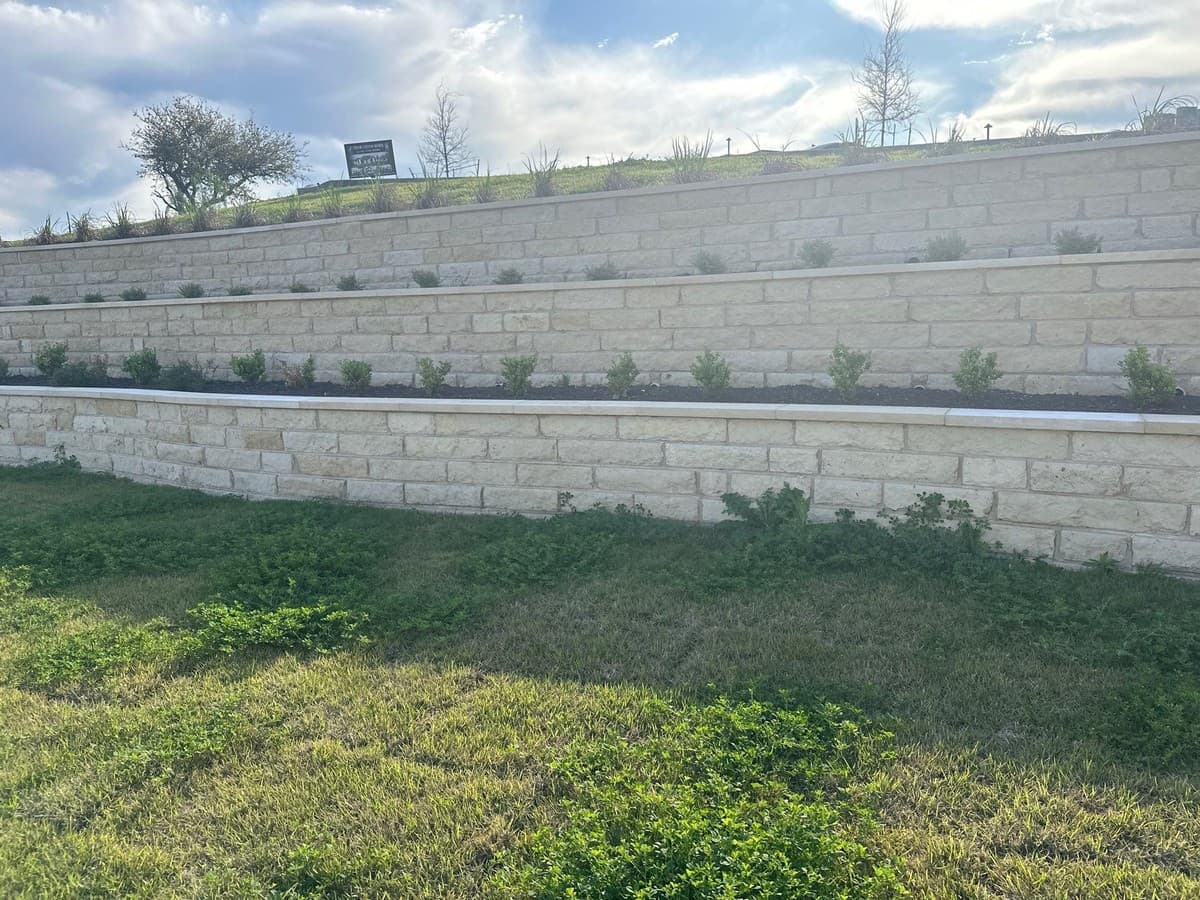
When a concrete sub bids $4,200 for a retaining wall footing and you pass that number straight through to the client, you are doing unpaid project management work. You scheduled the sub, gave them site access, communicated scope changes, and absorbed the risk if they ran over. That is worth something — typically 20–30% on sub cost.
The standard approach: get a written quote from the sub, apply your markup (25% is a common default), and present the marked-up number as your subcontracted work line item. Do not break out the sub's cost on the client proposal. You are responsible for delivering that scope — price it like you are.
What markup percentage is right? Consider: Are you pulling the permit? Managing the inspection? Liable for quality? Absorbing a 30–60 day payment lag? More risk = higher markup. A hydroseeding sub on a straightforward flat lawn is lower risk than a structural concrete sub on a complex retaining wall. Price them differently.
Delivery Fees: Price Them by Order, Not by Average
Material delivery fees are the most common third-party cost that contractors absorb without thinking. A paver delivery runs $120–$250 depending on distance and supplier. A bulk aggregate delivery runs $80–$180. Sod delivery adds $80–$150 per pallet trip. On a job with three separate material deliveries, you could be absorbing $300–$600 that was never in the estimate.
Fix: add a "delivery and freight" line to every estimate section where material is ordered. Price it from your supplier's actual delivery rate, not from a rough guess. If you order multiple loads, price each delivery separately.
Equipment Rental: Direct Cost, Not Overhead
A rented mini excavator at $380/day is not overhead. It is a direct job cost. A rented plate compactor at $85/day is not overhead. Skid steer rental, trencher rental, concrete mixer rental — all direct costs. If you are booking these through a rental yard, the invoice goes to a specific job. It belongs in that job's estimate.
Where contractors go wrong: they lump rental into overhead because it "varies by job." That is not how overhead works. Overhead is fixed costs that do not change job to job — rent, insurance premiums, owner salary, software subscriptions. Variable costs that attach to a specific job are direct costs. The distinction changes your margin calculation on every bid.
Inspection and Testing Fees
On commercial and permit-required residential jobs, inspection fees are real money. A soil compaction test can run $150–$350 per visit from a third-party testing lab. Concrete strength tests add $80–$200. Permit inspection visits from the municipality add time even when the fee is nominal — your crew may have to wait on-site for an inspector before they can proceed.
These fees are predictable on most job types. If your scope requires a permit, look up the inspection schedule and price any required third-party testing as a direct line item. A $200 compaction test on a $25,000 job is 0.8% of revenue — small on its own, but it adds up across a year of jobs.
"Every dollar you absorb on third-party costs is a dollar of margin you already earned — and gave away."
How to Scope Third-Party Costs in Your Estimate
Build a checklist into your estimate template. Before you send any bid, run through these questions:
- Is there any scope I am subcontracting? Have I applied markup to the sub quote?
- How many material deliveries does this job require? Are all delivery fees listed as line items?
- Is any equipment being rented? Is the rental cost in the estimate as a direct cost, not overhead?
- Does this job require a permit? Are permit fees and any required inspections or testing included?
- Are there any utility locate fees? In Texas, 811 locates are free — but private utility locates from a service company can run $200–$500.
- Is there a dumpster or haul-away required? Is the dumpster rental and disposal fee in the estimate?
Running through this list on every estimate takes five minutes. Missing even two or three items on a mid-size job can cost you 3–5% of gross margin — enough to turn a profitable job into a breakeven one.
Stop guessing on estimates
Build accurate estimates in minutes, not hours.
Ledge has assembly-based estimating built in — material takeoffs, labor rates, and markup all in one place.
Book a Demo →Frequently Asked Questions
What markup should I charge on landscape subcontractors?
20–30% is the standard range for most landscape subcontractor work. Use the lower end for low-involvement subs (a supplier delivering and installing an irrigation controller, for example). Use the higher end when you are managing inspections, pulling permits, absorbing liability, or coordinating the sub around your own crew's schedule. Never pass sub costs through at zero markup.
Should delivery fees be included in material costs or listed separately?
List them separately. Bundling delivery into material cost hides the real unit price and makes future estimates less accurate. When your paver unit cost includes a variable delivery fee, your template gets corrupted for the next job at a different distance. Keep material cost and delivery cost as distinct line items so your data stays clean.
How do I handle a subcontractor who goes over their quoted scope?
Get a written change order from the sub before they do extra work. If they go over scope without authorization, you are not required to pay the overage — but it creates a dispute that slows the job. The real fix is a written sub contract with a fixed scope, a change order process, and a clause stating work outside the agreed scope is not authorized without written approval. A handshake deal costs you money eventually.
Is equipment depreciation a direct cost or overhead?
Depreciation on owned equipment can be treated either way depending on how you run your books. One approach: charge each job an equipment use rate (similar to a rental rate) based on the machine's value and useful life. Another approach: carry depreciation as overhead and recover it through your overhead allocation percentage. Pick one method and apply it consistently. Mixing them produces wrong margin numbers.
Edgar Galindo
Co-founder, Ledge
Edgar built Ledge while running a landscape design-build company in Central Texas. He rebuilt his estimating process after discovering that third-party costs were the single biggest source of margin loss on his largest jobs.