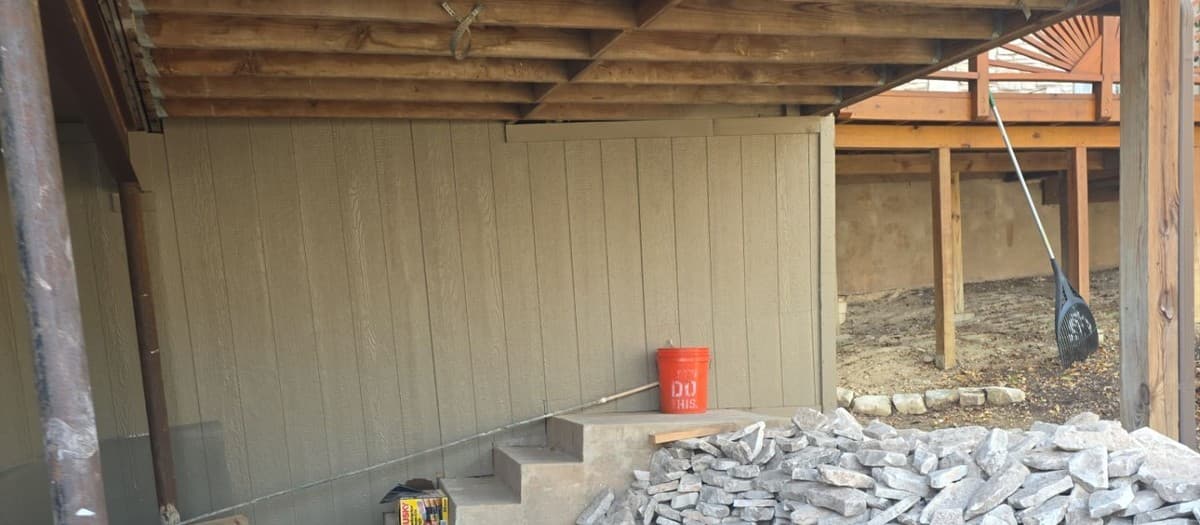
Aggregate delivery is one of the most predictable costs in landscape estimating — and one of the most consistently forgotten. Here is how to calculate it correctly and stop eating it.
You order 18 tons of crushed limestone for a patio base. The supplier quotes $28/ton at the yard. The invoice comes in and there is an additional $145 for delivery. You did not price that. Now you are eating $145 on what was already a tight-margin job. This happens on nearly every aggregate order — and most contractors absorb it silently.
The fix is not complicated. It requires knowing your tonnage before you bid, knowing your supplier's delivery rate schedule, and making delivery a line item in every estimate that includes aggregate.
Step 1: Calculate Tonnage Before You Call the Supplier
Every aggregate calculation starts with volume and converts to tons. Here is the formula for crushed limestone base:
- Length (ft) × Width (ft) × Depth (ft) = cubic feet of compacted base needed
- Multiply by 1.35 for compaction factor — loose material compacts down significantly
- Divide by 27 to convert cubic feet to cubic yards
- Multiply by 1.35–1.45 tons per cubic yard (crushed limestone) to get tons to order
Example: A 500 SF patio at 6-inch base depth. 500 × 0.5 = 250 CF compacted × 1.35 = 337.5 CF loose ÷ 27 = 12.5 CY × 1.4 tons/CY = 17.5 tons. Order 18 tons, call it a round number. Now you have a tonnage to price against — not a guess.
Common aggregate weight references per cubic yard: crushed limestone 1.35–1.45 tons, decomposed granite 1.35–1.50 tons, washed river rock 1.25–1.35 tons, pea gravel 1.25–1.40 tons. Know your material — these numbers move the cost calculation.
Step 2: Know Your Supplier's Delivery Rate Structure
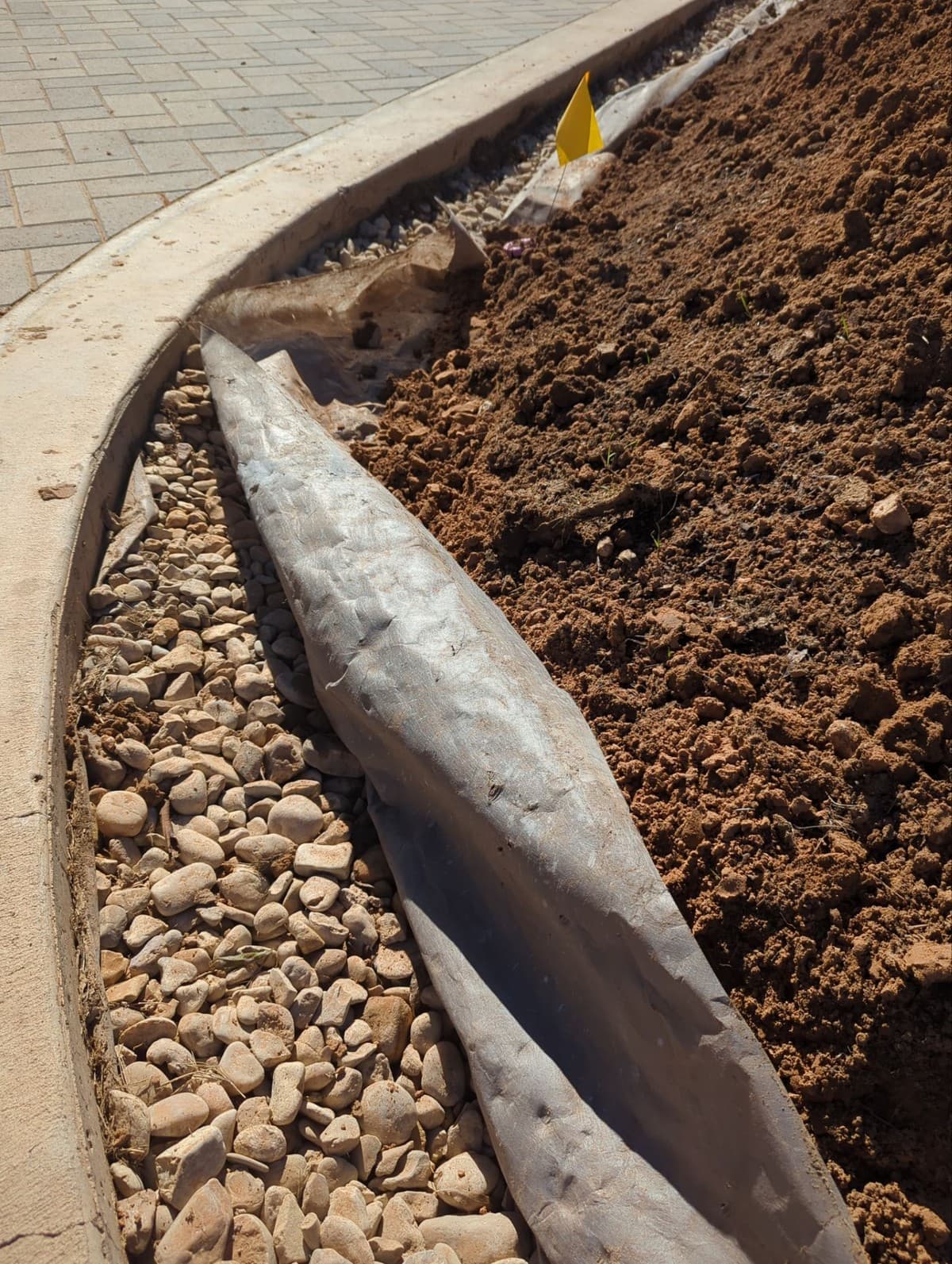
Delivery fees are not uniform. Most Central Texas aggregate suppliers charge by one of two methods: flat rate per load (typically $80–$180 per truck delivery within a base radius) or per-ton delivery surcharge ($6–$12/ton within a zone, higher outside it). Some use a combination: a flat trip charge plus a per-ton rate beyond the base zone.
Call your supplier and ask: "What is your delivery fee schedule to zip code [X]?" Get the number in writing or at least screenshot the quote. Standard dump truck loads run 12–14 tons. If you need 18 tons, that is two loads — price two delivery fees.
Also ask about minimum delivery amounts. Some suppliers have a 5-ton minimum. If you need 3 tons for a small repair job and they charge for 5, that cost goes in the estimate — you are paying it either way.
Step 3: Price Delivery as Its Own Line Item
Do not fold delivery cost into your material unit cost. Price them separately in your estimate. Why? Because your material unit cost should reflect what you pay at the yard — that number stays consistent across jobs. Delivery changes based on distance, load count, and access. Blending them makes your data wrong on the next bid.
The line item structure should be:
- Crushed limestone base — 18 tons @ $28/ton = $504
- Aggregate delivery — 2 loads @ $130/load = $260
That is $260 that used to disappear. Over a year of aggregate orders — if you are running 30–50 hardscape jobs — the total absorbed delivery cost could exceed $8,000–$15,000 annually. That is real margin that belongs in your pocket.
"If you can name the tonnage and the load count before you bid, you can price the delivery. There is no guesswork required."
Site Access and Unloading Considerations
Aggregate delivery is not just about tonnage and freight — it is also about where the truck can dump. A standard dump truck needs clear access and a reasonable turning radius. Restricted access sites — narrow driveways, tight gates, low-hanging utility lines — can result in an additional driver wait fee ($75–$150/hour in most markets) or a refusal to deliver to the intended dump location.
If you know access is tight, note it in your estimate and price the wheelbarrow labor to move material from the street to the work area. One ton of limestone moved by hand 60 feet adds 30–45 minutes per ton of crew time. On an 18-ton order, that is potentially 9–13 extra man-hours. Price it before the job, not after.
Stop guessing on estimates
Build accurate estimates in minutes, not hours.
Ledge has assembly-based estimating built in — material takeoffs, labor rates, and markup all in one place.
Book a Demo →Frequently Asked Questions
How do I convert cubic yards to tons for crushed limestone?
Multiply cubic yards by 1.35–1.45 for crushed limestone. The range exists because limestone density varies slightly by quarry and crush size. Use 1.4 as your working default for most base material calculations. For decomposed granite, use 1.35–1.50 tons/CY. Always confirm with your specific supplier if the job is large enough that the difference matters.
How many tons fit in a standard dump truck?
Standard single-axle dump trucks carry 12–14 tons per load. Tandem-axle trucks can carry up to 18–20 tons. Most residential aggregate deliveries arrive in single-axle trucks. If you need 25 tons, plan for two loads and price two delivery fees. Ask your supplier what truck type they use for your area — it affects the number of trips required.
What is a reasonable aggregate delivery fee in Central Texas?
Within 20–25 miles of most quarries or aggregate yards in Central Texas, delivery runs $80–$160 per load. Sites beyond 30 miles typically see surcharges of $8–$15/ton on top of the base rate. Prices move with diesel fuel costs — get a quote at time of bid and note the quote date on your estimate so you can update it if the job delays.
Should I pass delivery costs through to the client at cost or with markup?
Apply your standard materials markup to delivery fees — typically 15–20%. You are managing the order, coordinating the delivery window, making sure someone is on-site to direct placement, and absorbing the risk if the delivery causes any site damage. That management time has value. Price delivery with markup, not at cost.
Edgar Galindo
Co-founder, Ledge
Edgar built Ledge while running a landscape design-build company in Central Texas. He has ordered hundreds of aggregate deliveries and built his estimating system specifically to stop absorbing freight costs that should have been in every bid.