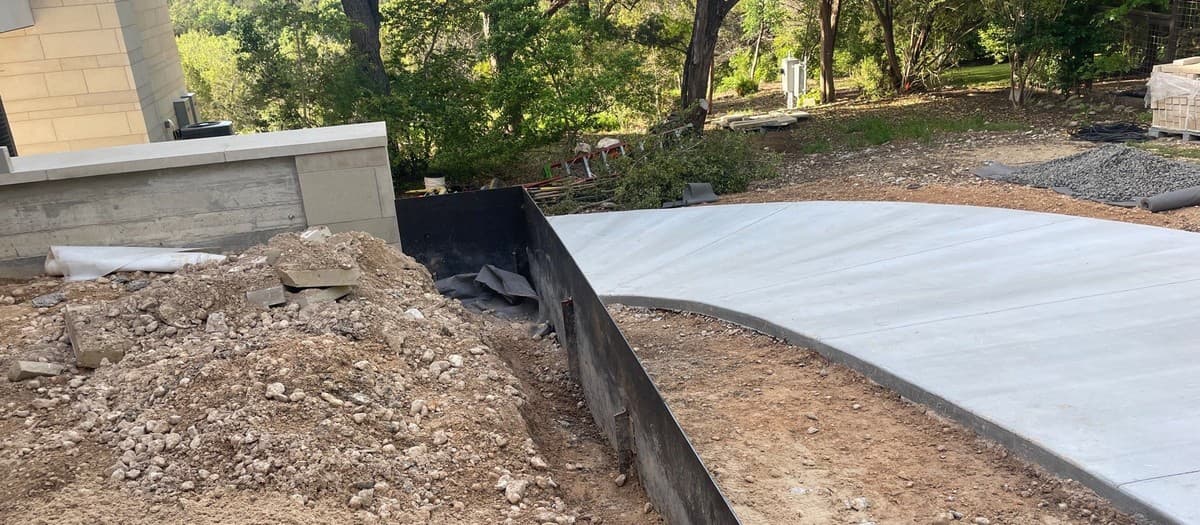
You completed a $120,000 commercial landscape installation. The GC held 10% retainage throughout — $12,000 — and you spent the next four months trying to get it released after punch list was done.
Retainage is one of the most misunderstood payment terms in the landscape construction industry. Contractors who work on commercial projects or as subs under general contractors encounter it regularly — but most do not know how to negotiate the rate, track the withheld amount, or enforce collection when the project ends.
If you have $20,000, $50,000, or more in retainage receivable across active projects at any point in the year, this is a material cash flow issue — not a minor administrative detail.
What Is Retainage?
Retainage (also called retention) is a percentage of each progress payment that the owner or GC withholds until the project reaches substantial completion or meets specified performance requirements. It is a risk management tool — the owner holds a portion of the contract value as leverage to ensure the contractor finishes the work and resolves deficiencies.
Standard retainage in construction is 10%. Some contracts specify 5% after the project reaches 50% completion. A $120,000 landscape contract at 10% retainage means $12,000 of your billed amount is withheld until the project is accepted — money you earned but cannot access.
When Does Retainage Apply to Landscape Jobs?
Retainage is almost always a commercial or government contract issue. Residential landscape jobs with private homeowners rarely include formal retainage. You will encounter it in:
- Commercial development projects: Shopping centers, office campuses, multifamily developments. The developer or GC manages retainage across all trades.
- Government and municipal work: Parks, medians, public right-of-way landscaping. Government contracts almost universally include retainage provisions, often mandated by procurement regulations.
- Subcontracting under a GC: Any time you are hired as a landscape sub on a larger construction project, the GC's contract with the owner likely flows down retainage to all subs.
- Large private landscape contracts: Some sophisticated private clients or property managers include retainage in landscape contracts over $50,000 — especially for new construction or major renovations.
Negotiating Retainage Before You Sign
Retainage is negotiable. Most contractors accept whatever rate the contract offers without pushing back. That is a mistake. Before signing any commercial landscape contract with retainage, negotiate:
Rate reduction after 50% completion. Request that retainage drops from 10% to 5% once the project reaches 50% complete. This is standard in many states and many GCs will accept it without significant pushback.
A specific release timeline. Ask for retainage to be released within 30 days of punch list completion and owner acceptance — not 30 days after the GC receives retainage from the owner. The second version can delay your payment by months if the GC's timeline slips.
Separate landscape acceptance from overall project acceptance. If your landscape scope is complete but the GC has unresolved issues with another trade, you should not be waiting on your retainage. Request that landscape scope acceptance be independent of overall project closeout.
"Retainage is not a favor the owner holds until they feel like releasing it. It is your money, held under specific contractual conditions."
Tracking Retainage Across Multiple Jobs
Retainage receivable is money you earned but have not collected. If you have five commercial jobs active with 10% retainage each, and total contract value is $600,000, you have $60,000 in retainage receivable sitting with various owners and GCs. Do you know exactly where each dollar stands?
Track retainage per job: contract value, retainage rate, total withheld to date, completion status, and expected release date. Review this list weekly during active projects and monthly after completion. Retainage does not collect itself — you have to invoice for it, follow up on it, and escalate when it does not come.
How to Collect Retainage After Project Completion
Retainage does not release automatically when a project is done. You must invoice for it. Send a retainage release invoice the day you achieve substantial completion or punch list sign-off. Reference the contract, the completion date, the retainage amount withheld, and your bank information for payment.
If the retainage is not paid within the contractual timeline, send a formal notice referencing the contract clause and your state's prompt payment laws. Most states have prompt payment statutes that apply to construction retainage — some require interest on withheld retainage after the release deadline passes. Know your state's law. It is a legitimate enforcement tool.
Get paid faster
Ledge invoicing is built for how landscape jobs actually work.
Progress billing, draw schedules, deposit collection, and digital signatures — all in one place. No more chasing paper invoices.
Book a Demo →Frequently Asked Questions
Is retainage standard on all landscape contracts?
No. Retainage is primarily a commercial and government construction practice. Residential landscape jobs with private homeowners rarely include formal retainage provisions. You will encounter it on commercial developments, government contracts, and projects where you are subcontracting under a GC who has retainage in their prime contract with the owner.
Can I negotiate to reduce or eliminate retainage?
Yes. Retainage rate, milestone triggers, and release timeline are all negotiable — especially on private commercial work. The most common successful negotiation is reducing the rate from 10% to 5% after the project reaches 50% completion. On projects where you are doing outstanding work with an established client, some GCs will release retainage early or in phases rather than holding the full amount to project closeout.
What are prompt payment laws and how do they help with retainage?
Most states have prompt payment statutes that require owners and GCs to pay contractors and subs within specified timeframes after an invoice is submitted or a milestone is reached. Many of these laws include retainage provisions that trigger interest charges on withheld amounts past the release deadline — often 1–1.5% per month. These laws vary significantly by state, so look up your state's specific rules or consult a construction attorney.
How should I track retainage across multiple projects?
Maintain a retainage log with: project name, GC or owner contact, contract value, retainage rate, total billed to date, total withheld to date, project status, and expected release date. Review it weekly on active jobs and monthly after completion. Send a retainage release invoice the day punch list is complete — do not wait for the GC to remember. The contractor who invoices promptly gets paid first.
Edgar Galindo
Co-founder, Ledge
Edgar built Ledge while running a landscape design-build company in Central Texas. He negotiated retainage terms on commercial projects and learned that the language in the contract — not the relationship with the GC — determines how fast you get paid.