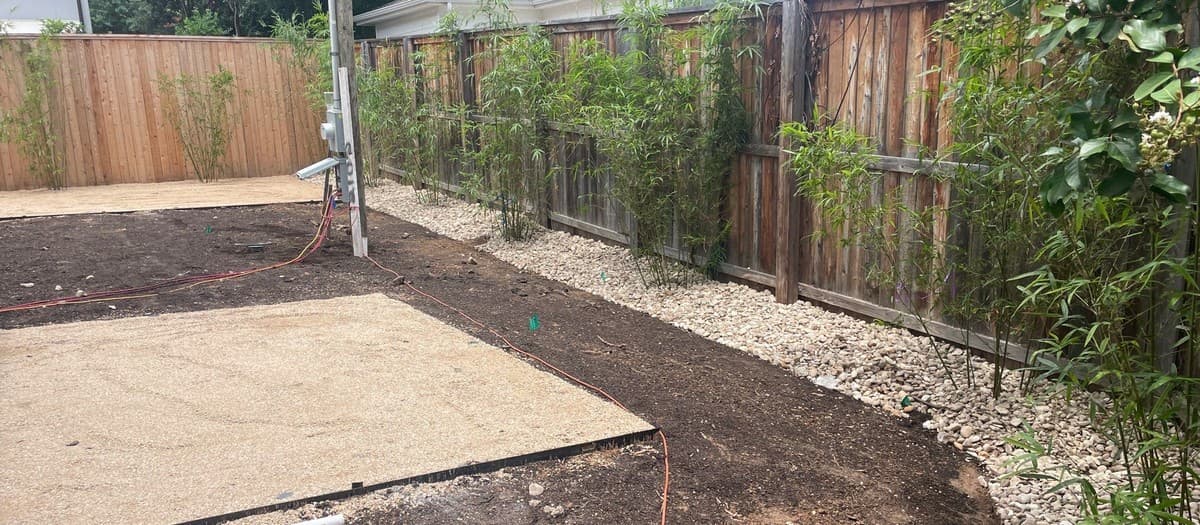
You started a $65,000 outdoor living project with a 30% deposit. By week three you had spent $38,000 on materials and labor — and the next payment was not due for another month.
Funding a large landscape project out of your own working capital is not a business model — it is a loan you are giving your client, interest-free. Progress billing fixes that. It aligns cash coming in with cash going out, so you are never weeks ahead of payment on a job that might stall, change scope, or go sideways.
Most landscape contractors know progress billing exists. Fewer know how to structure it so the client accepts it, so the payment triggers are clear, and so no phase bleeds into the next without payment clearing first.
What Is a Draw Schedule?
A draw schedule is a billing plan tied to project milestones rather than a calendar date. Instead of invoicing at 30 days, you invoice when a defined phase of work is complete. The client agreed to this schedule at contract signing — so there is no negotiation when the invoice arrives.
Draw schedules are standard in construction. Landscapers who adopt them stop financing client projects out of their own cash flow — and stop losing sleep over whether a big check is coming.
When to Use Progress Billing
The threshold most contractors use is $15,000. Below that, a deposit-plus-final structure works fine. Above $15,000 — and especially above $25,000 — a draw schedule protects you from carrying material costs for weeks before the next payment hits.
On a $65,000 outdoor project — say a pool surround with hardscape, pergola, planting, and drainage — you might order $20,000 in materials in the first two weeks alone. A single 30% deposit covers that barely. A three-draw schedule keeps you whole through each phase.
How to Structure a Draw Schedule
The most common structure for landscape jobs is three draws:
- Draw 1 — 33% at contract signing. This is your mobilization payment. It covers your material order and the cost of showing up. No draw, no start date.
- Draw 2 — 33% at mid-project milestone. Define this milestone specifically — not "halfway through" but "base and drainage complete" or "all hardscape laid and compacted." Vague milestones invite disputes.
- Draw 3 — 34% at substantial completion. Not final punch list sign-off, but when the main scope is done. A 5–10% retention can be held until the client confirms final satisfaction if the project warrants it.
For very large projects — $100,000 and above — a four-draw schedule is appropriate. Add a draw after the civil/grading phase and before hardscape begins. The more phases you have, the less cash you are carrying at any one time.
How to Define Milestones Clients Cannot Dispute
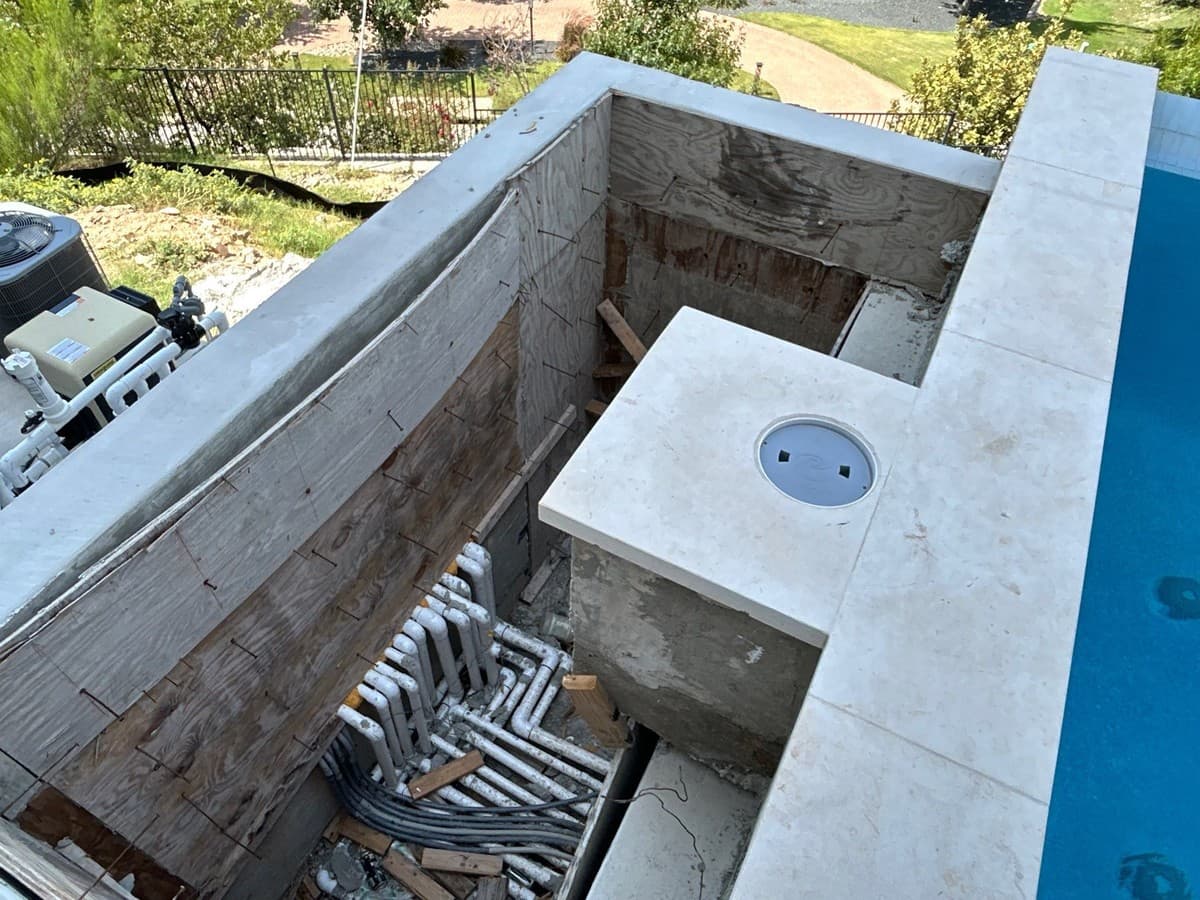
The biggest failure point in draw schedules is vague milestone language. "Phase 1 complete" means nothing to a client who has a different definition of complete. Write milestones as observable, verifiable conditions — things anyone could walk out and confirm on a Tuesday afternoon.
Good milestone language: "Excavation and crushed limestone base installed and compacted to grade. French drain outlet daylit at property line. Ready for paver installation." Bad language: "Site prep complete." One of those holds up in a conversation. The other does not.
Send a brief photo or note when you reach each milestone — before you send the invoice. This gives the client visual confirmation of progress and removes any reason to pause on payment while they figure out where the project stands.
"Define your draw milestones in the contract so precisely that a stranger could walk the site and confirm them without calling you."
The No-Pay, No-Continue Rule
Write this into every contract: work on the next phase does not begin until the current draw payment clears. This is not punitive — it is standard construction practice. GCs and specialty subs operate this way every day.
Without this clause, you get clients who delay Draw 2 while you continue working. By the time you stop, you are four days deeper into phase two and owed two full draws. That is a dangerous position. The clause gives you a clean stopping point and a legitimate business reason to pause — not a personal dispute.
Presenting Draw Schedules to Clients
Most clients have no issue with progress billing when it is explained clearly before they sign. Walk them through the schedule at proposal review: "Here is how payments work on this project. You will pay one-third when you sign, one-third when we finish the hardscape phase, and the final third when we wrap up. Each invoice comes with photos showing where we are." That takes 60 seconds and eliminates confusion later.
Clients who push back hard on a draw schedule before work begins are telling you something. A client unwilling to pay a 33% deposit on a $65,000 job is a client who may not pay the balance either. Pay attention to that signal.
Get paid faster
Ledge invoicing is built for how landscape jobs actually work.
Progress billing, draw schedules, deposit collection, and digital signatures — all in one place. No more chasing paper invoices.
Book a Demo →Frequently Asked Questions
At what project size should I start using progress billing?
Most contractors use a $15,000 threshold. Below that, a deposit-plus-final-payment structure is simple and sufficient. Above $15,000 — and always above $25,000 — a draw schedule protects you from carrying material and labor costs for extended periods. The larger the job, the more draws make sense to add.
How do I handle scope changes mid-project when using draw billing?
Issue a change order before the additional work begins. The change order should state the new scope, the added cost, and whether it adjusts an existing draw or creates a new payment. Never absorb scope changes into the existing draw schedule without documenting them — you will not remember the verbal agreement, and neither will the client.
Can I enforce a draw schedule if it is not in the written contract?
No. A draw schedule has no teeth without a signed contract. Verbal agreements about payment timing are nearly impossible to enforce. Get the draw schedule in writing before any work starts — ideally as a payment schedule table inside the contract itself, with milestone descriptions and dollar amounts for each draw.
What happens if the client delays paying a draw?
If your contract includes the no-pay, no-continue clause, you pause work and notify the client in writing. Give them 5 business days to remit. If payment does not arrive, work stays paused until it does. This is not optional — continuing to work without payment tells the client the clause is not real.
Edgar Galindo
Co-founder, Ledge
Edgar built Ledge while running a landscape design-build company in Central Texas. He learned draw schedules the hard way — after financing a $55,000 project for six weeks before the second payment arrived.