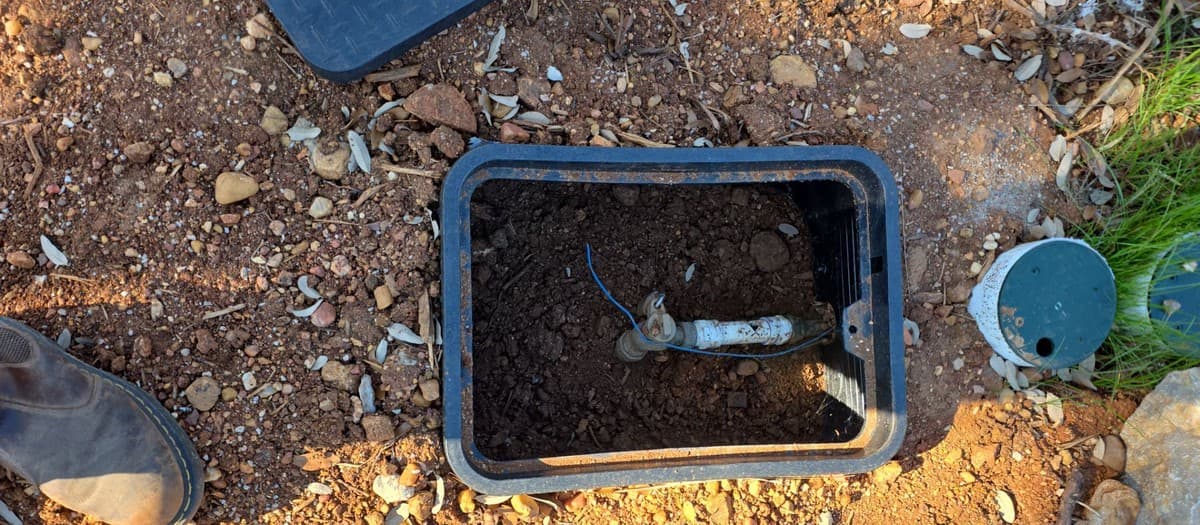
A permit that takes four weeks when you planned for two weeks is not a contractor problem — until you did not plan for it. Here is how to build permit timelines into your schedule and protect your revenue when approvals run long.
You submitted the retaining wall permit application three weeks ago. The building department said ten business days. It is now day sixteen and the permit is still "under review." Your crew is scheduled to start in four days. The client is texting daily asking when you begin.
Permit delays are the one scheduling variable that is completely outside your control — and they happen on almost every permitted project at some point. The contractors who handle them well are not the ones who avoid them. They are the ones who planned for them from the start.
Which Landscape Scopes Typically Require Permits
Requirements vary by jurisdiction, but common permit triggers in most Texas cities include: retaining walls over 30 inches in height, structures attached to the home (covered patios, pergolas with roofing), electrical work above low-voltage, gas line connections, plumbing connections to city supply, and grading changes that affect drainage to adjacent properties.
Check with the local building department at proposal stage — not after the contract is signed. Knowing whether a permit is required before you price the job lets you build the review timeline into your project start estimate. Discovering the permit requirement after signing puts you in the position of explaining a delay before the job even starts.
Build Review Time Into Your Schedule From the Start
The first rule of permit scheduling: never give the client a hard start date until the permit is in hand. Give them a target week contingent on permit approval. "We plan to start the week of the 20th, assuming permit approval comes through on schedule" is honest and accurate. "We start the 20th" is a promise you may not be able to keep.
Standard permit review times by project type in most Texas jurisdictions: simple structural (retaining walls, pergolas) — 5 to 15 business days. Electrical or gas connections — 5 to 10 business days. Anything requiring plan review by a PE or architect — 3 to 6 weeks. If you are working near a flood plain, add 2 to 4 weeks for additional review.
What to Do While You Wait for the Permit
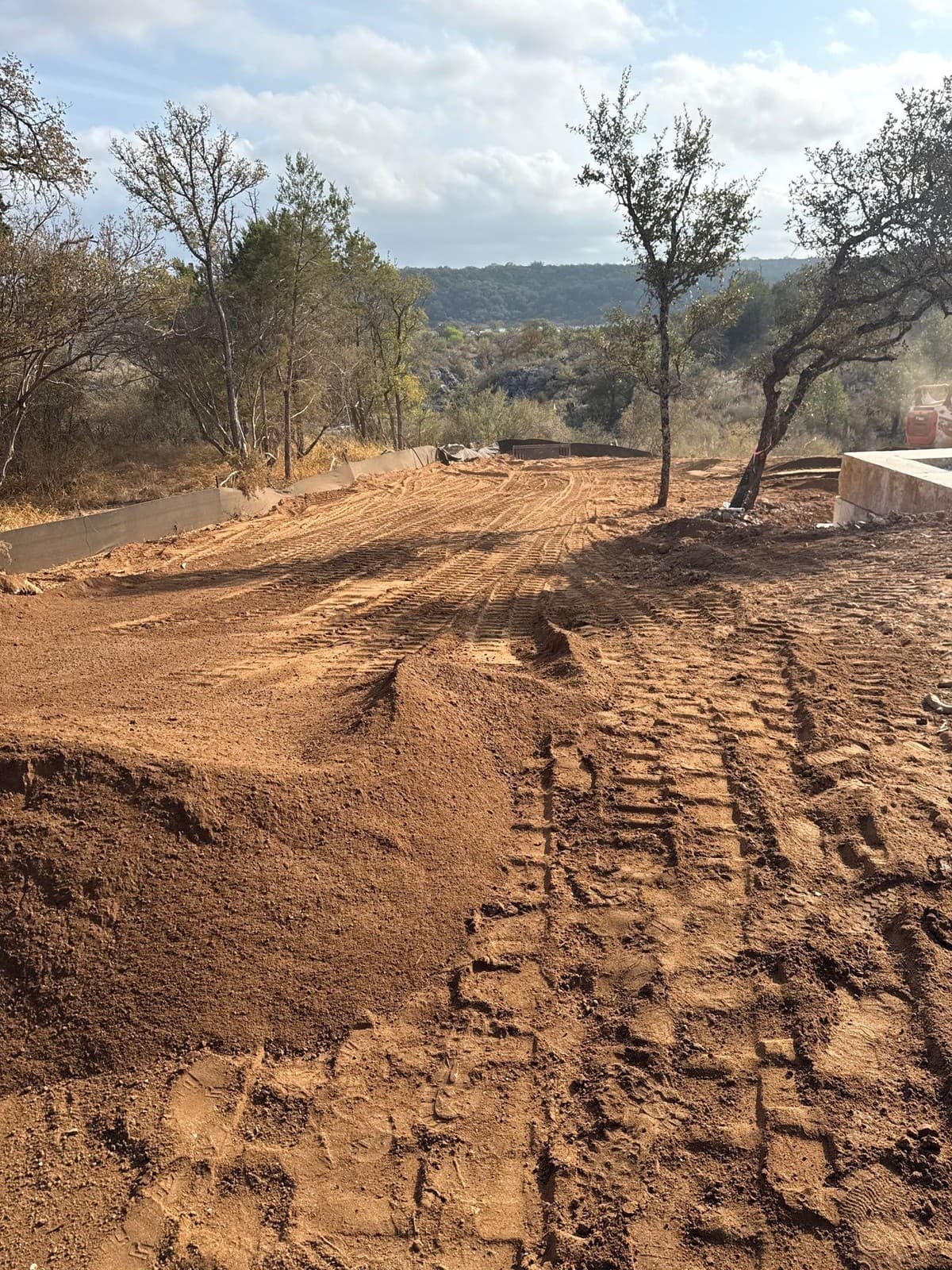
A permit hold does not mean the job is completely frozen. Identify what work is not permit-dependent and can begin immediately. Demolition of existing structures (in most cases) does not require the permit for the new build. Drainage work, fine grading, utility marking, and material staging can often proceed without the structural permit in hand.
Confirm with your building department what is permissible before the permit issues. Do not assume — one wrong assumption about what you can start early can result in a stop-work order on the whole project.
Communicating Delays to Clients
The moment you know the permit is running late, contact the client. Do not wait until the original start date passes. A proactive call — "We are tracking the permit and it appears the review is running a few days past the expected window. Here is where we stand and what our updated timeline looks like" — is far better than going silent.
Give the client a revised start window — not a new hard date — until you have the permit in hand. Update them every three to four days if the delay continues. Clients who feel informed tolerate delays far better than clients who discover the delay themselves when no one shows up.
Protecting Revenue During Permit Delays
A two-week permit delay on a permitted job is a two-week hole in your revenue if you have nothing else to put your crew on. This is why job phasing and multi-job scheduling matter. If you have three active jobs and one is on permit hold, your crew shifts to the other two. The permit hold becomes a gap day, not a gap week.
Do not sell your crew's time 100 percent committed to the permitted job until the permit is in hand. Keep a secondary job in the pipeline that can absorb your crew for the delay period if needed.
"The permit is outside your control. Your response to the delay is not."
Schedule smarter
Ledge keeps your crew on track across every active job.
See every job at a glance, assign crews, track milestones, and stop managing schedules from memory or a whiteboard.
Book a Demo →Frequently Asked Questions
Can I start a permitted job before the permit is issued?
Generally no — not for the permitted scope. Starting work before permit issuance risks a stop-work order, fines, and required demolition of work completed without authorization. Some jurisdictions allow a "permit-applied-for" tag on site for minor pre-work, but never assume this applies without confirming with your building department first.
What do I include in my contract regarding permit delays?
Include language stating that project start dates are contingent on permit approval and that permit review timelines are outside the contractor's control. Specify that delays caused by permit review do not constitute a breach of contract or trigger penalty clauses. This protects you from clients who try to hold you to a start date that was always contingent on government approval.
Should I charge more for jobs that require permits?
Yes — permit-required jobs have additional administrative costs: permit fees, plan preparation time, inspection coordination, and extended project timelines. Include permit fees as a direct pass-through line item in your proposal plus a permit management fee of $150 to $400 depending on project complexity. This is real time and real cost that belongs in your pricing.
Edgar Galindo
Co-founder, Ledge
Edgar built Ledge while running a landscape design-build company in Central Texas. Permit delays on design-build projects are a recurring reality — the only question is whether you planned for them.