A bent trailer, a cracked blade housing, a compactor with a seized engine — equipment damage is expensive, slow to fix, and almost always tied to a gap in training or process. Here is how to close those gaps.
The plate compactor comes back from a job with a cracked housing. Nobody saw it happen. The wet saw blade is seized and unusable after a new crew member ran it dry for twenty minutes. The trailer tongue is bent because someone backed it into a concrete curb at a 45-degree angle at full speed. Each incident is expensive. Each one was preventable. And each one traces back to a gap — either in training, in process, or in accountability for reporting damage when it happens.
Equipment damage is a quiet margin leak for most landscape contractors. It does not show up as a line item on any job. It shows up as repair bills, rental fees to cover downed equipment, and production losses when the right tool is not available when a job needs it.
The Most Common Equipment Damage Events in Landscape Construction
- Wet saw blade damage: Running dry, forcing cuts, or cutting material the blade is not rated for. A quality diamond blade runs $80–$350. A seized motor from running dry is $400–$1,200 in repair or replacement.
- Plate compactor failures: Running without oil checks, overheating on continuous use without breaks, or dropping it off a trailer ramp. A compactor engine rebuild is $600–$1,500. A replacement machine is $1,800–$4,000.
- Trailer damage: Backing collisions, overloaded decks, and unsecured loads that shift and bend framing. Trailer repair runs $300–$1,500 depending on severity. Downtime while it is in the shop is a real cost on top of repair.
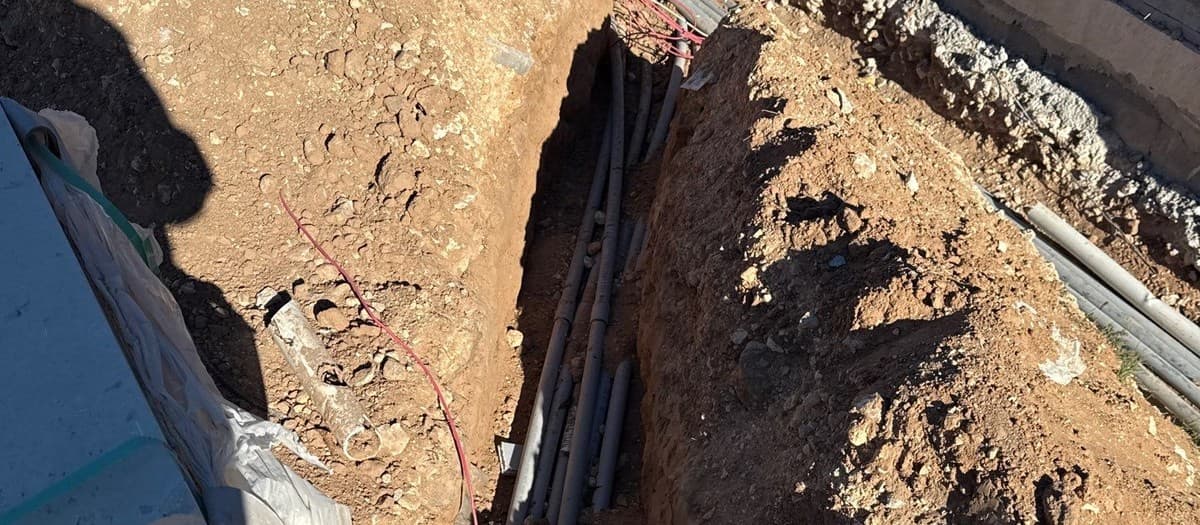
- Mini-ex damage on residential sites: Striking underground utilities, scraping concrete or hardscape surfaces, or exceeding machine limits on slopes. Damage to existing structures on client property is also your liability.
- Hand tool neglect: Leaving tools in the weather, driving over them, or using the wrong tool for a task. Less expensive per incident but consistent neglect across a crew adds up to hundreds of dollars in annual replacement cost.
The Training Framework That Prevents Most Damage
Most equipment damage comes from one of three root causes: the operator did not know how to use the equipment correctly, they knew but skipped the process under time pressure, or they damaged something and did not report it — leaving the problem to compound.
Certify before operating. No crew member should use a piece of equipment they have not been shown — not because of formal OSHA requirements (though those apply where relevant), but because "figure it out" is how expensive damage happens. Create a simple sign-off for each major piece of equipment: they have been shown correct operation, safety checks, and shutdown procedure, and they demonstrated it back to a crew lead or foreman.
Pre-use checks as a non-negotiable habit. Oil level on the compactor before every use. Water level on the wet saw before every use. Trailer chain and brake check before every departure. These are 60-second tasks that prevent 90% of the mechanical damage events in field use. The only way they become habits is if they are required and checked until they stick.
Report damage immediately, no consequences for honesty. The most expensive damage is damage that gets hidden. A crack that could be welded for $150 becomes a full replacement frame after it fails during use. Create a culture where reporting damage immediately is the expected behavior — and where the response to that report is problem-solving, not punishment. Punishing honesty teaches concealment.
Should Crew Members Be Financially Responsible for Damage?
This is a legal and cultural question. Many states restrict or prohibit wage deductions for equipment damage without specific written agreements. Beyond the legal side, making crew members personally liable for every damage incident creates a culture of concealment — the opposite of what you want. The better model: clear expectations, training requirements, and a documented incident process. Reserve financial accountability for negligence that was willful and documented — not for honest mistakes in normal operation.
"Crews that hide damage cost you more than crews that report it. Build the culture where honesty is the expected response."
Run a tighter operation
Ledge gives you visibility into every job without being on-site.
Job tracking, crew assignments, photo documentation, and production notes — all in your phone. Stop managing by walking job sites.
Book a Demo →Frequently Asked Questions
How much does equipment damage typically cost a landscape company per year?
Small landscape companies (1–2 crews) typically absorb $2,000–$8,000 per year in equipment repair, replacement, and rental costs from avoidable damage. Companies with 3–5 crews can see $10,000–$25,000 annually. Most of this never gets tracked as a damage line — it gets absorbed into general repair and maintenance expense, which is why the number surprises most contractors when they actually calculate it.
What is the most important equipment safety training for new landscape crew members?
Priority one is cut saw and plate compactor operation — these are the two pieces of equipment most commonly damaged by improper use. Trailer loading and securing is second, especially for crews that move equipment daily between sites. Mini-ex operation requires specific training and should not be assigned to anyone without documented competency, both for equipment protection and for liability on client properties.
How do I get crews to report damage instead of hiding it?
Set the expectation explicitly: "If something gets damaged, tell me immediately. The only thing I cannot fix is not knowing about it." Demonstrate that response by handling the first few reports calmly and constructively. When a crew lead reports damage and your reaction is problem-solving rather than anger, you train the behavior you want. React punitively once and you will not hear about the next incident until it is much worse.
Should I track equipment damage incidents over time?
Yes. A simple log of what was damaged, when, which crew was on it, and the repair cost gives you pattern data. If one crew has three compactor incidents in a quarter and another has zero, that tells you something specific about training, habits, or supervision. Without the log, you are reacting to individual incidents. With it, you can spot and address systemic issues before they compound.
Edgar Galindo
Co-founder, Ledge
Edgar built Ledge while running a landscape design-build company in Central Texas. He has replaced enough blades, repaired enough trailers, and written enough repair checks to know that prevention is far cheaper than response.