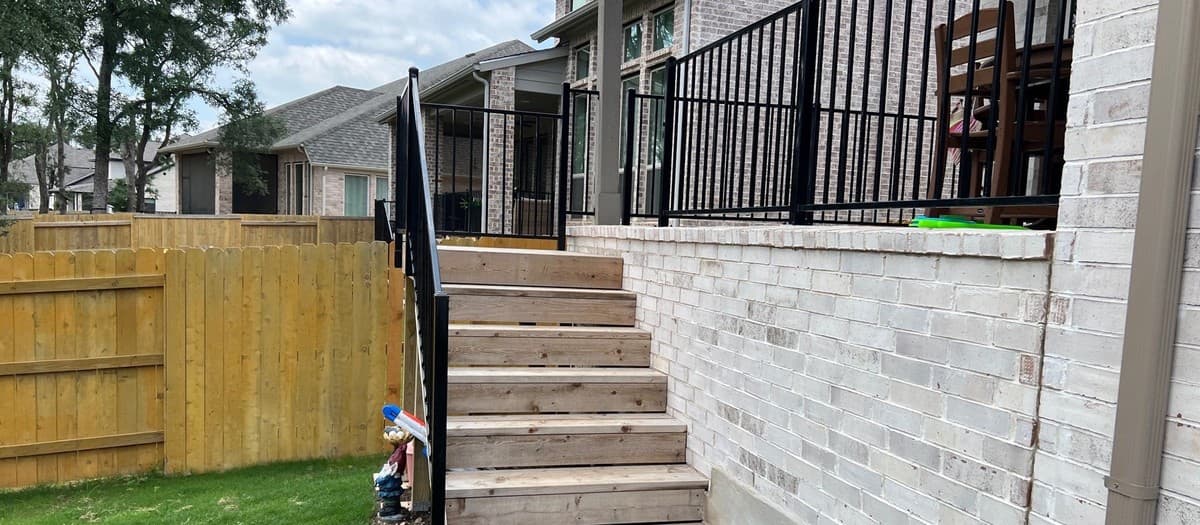
An assembly packages every material, labor hour, and cost component for a recurring job type into a single template. Use it on every similar job and stop rebuilding bids from scratch.
You've installed 50 paver patios. You know what a paver patio costs. You know the base prep depth, the material quantities, the labor hours for a 400 SF job, and the waste factor to apply. That knowledge currently lives in your head or in a spreadsheet you copy every time. Assembly-based estimating is how you convert that expertise into a system that works the same way whether you're pricing a job at 7 AM before a site visit or at 9 PM between two other estimates.
What an Assembly Is
An assembly is a saved cost bundle for a specific scope of work. It contains: every material needed (with quantities expressed as a formula based on measurement inputs), the labor hours calculated from your production rates, any equipment costs, waste factors, and your markup — all packaged together under a single name like "Paver Patio Install, Standard Base."
When you use the assembly on a job, you enter the measurement (400 square feet, for example) and the system calculates every cost automatically. Material quantities scale with the measurement. Labor hours calculate from your production rate (say, 80 SF per man-hour). The total cost comes out at the bottom with your margin applied. That's it.
Building Your First Assembly: Paver Patio Example
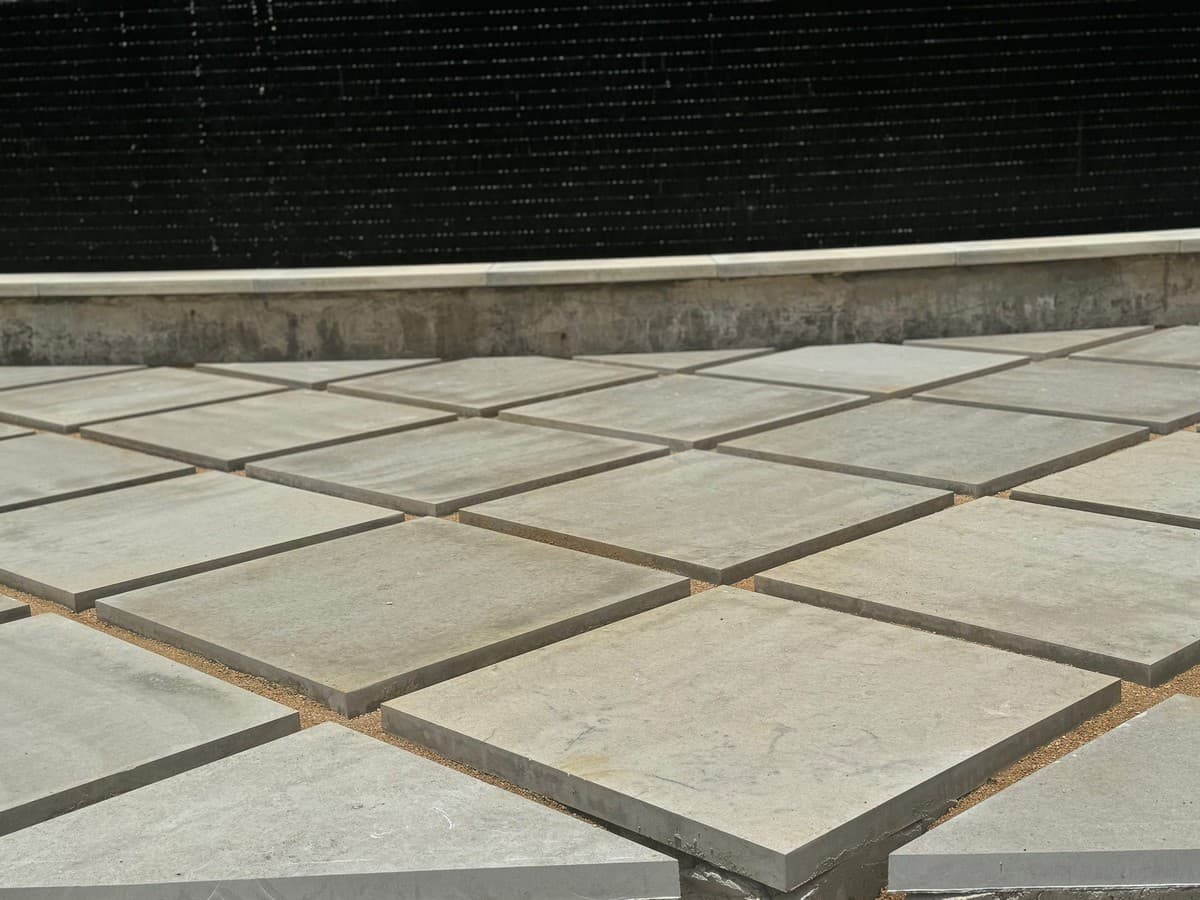
Here's what a complete paver patio assembly looks like in practice, broken down by component:
| Component | Quantity Formula | Unit | Cost Basis |
|---|---|---|---|
| Excavation labor | SF × 0.015 | hrs | Burdened crew rate |
| Base material (crusher run) | SF × 0.44 cu yd | cu yd | Supplier price |
| Base compaction labor | SF × 0.005 | hrs | Burdened crew rate |
| Pavers | SF × 1.07 (waste factor) | SF | Supplier price/SF |
| Polymeric sand | SF × 0.007 bags | bags | Supplier price |
| Edge restraint | Perimeter LF × 1.05 | LF | Supplier price |
| Paver installation labor | SF × 0.012 | hrs | Burdened crew rate |
| Delivery & equipment | Fixed | lot | Actual cost |
With this assembly loaded, pricing a 600 SF paver patio takes 3 minutes. Enter 600 for SF and 140 for perimeter LF, and every cost calculates. Change the paver type in your price list and every future estimate using that paver updates automatically.
Which Assemblies to Build First
Don't try to build 30 assemblies before going live. Start with your top 5-7 job types by revenue. For most landscape design-build companies, that list looks something like:
- Paver patio (standard base, per SF)
- Retaining wall (per LF, per height tier)
- Sod installation (per SF, by soil prep type)
- Planting bed install (per SF, includes prep and mulch)
- Irrigation system (per zone, with mainline and heads)
- Mulch install (per cubic yard delivered and installed)
- Concrete walkway (per SF, broom finish)
These seven assemblies cover the bulk of installation revenue for most small landscape companies. Build them right, test them against a few real jobs, and you'll know quickly where your production rate assumptions are off.
"Setting up assemblies took me two afternoons. Now I estimate a patio in 12 minutes. Before, the same estimate took an hour. At 20 bids a month, that's 16 hours back."
Keeping Assemblies Accurate Over Time
An assembly is only as accurate as the inputs behind it. Two things need regular review: material prices and production rates. Material prices change with supplier costs — schedule a quarterly review and update your price list. Production rates need updating when you improve your crew's efficiency or change your crew composition.
The best way to validate your production rates: run 10 jobs using the assembly, track actual hours, and compare. If you estimated 24 hours of paver labor and averaged 28 hours actual across 10 jobs, your production rate is 17% off. Update it, and every future estimate adjusts automatically. That feedback loop — estimate, track, adjust — is what builds estimating accuracy over time.
How Ledge Handles Assembly-Based Estimating
Ledge's estimating module is built around assemblies from the ground up. Job types come with starter assemblies that you customize to your production rates and local pricing. Material prices live in a central price list — update once, updates everywhere. When you build an estimate, you select assemblies, enter measurements, and the cost comes out. The same estimate generates the client proposal and the job budget that your foreman tracks against. One document, two uses, zero re-entry.
Build Your First Assembly Today
Ledge includes starter assemblies for the most common landscape install job types. Customize them to your rates and start estimating faster.
Frequently Asked Questions
How do I find my production rates if I don't track them now?
Start with your best estimate from memory. If you've installed 40 patios, you have an intuitive sense of how long 400 SF takes. Write it down, use it, and track actual hours on the next 5-10 jobs. Your real rate will reveal itself quickly. The LMN job costing module is built to establish these rates systematically if you want structured help.
What's the difference between an assembly and a line-item estimate?
A line-item estimate lists each material and labor cost individually — you enter each one manually. An assembly bundles those items into a formula-driven unit: enter the measurement, and quantities and costs calculate automatically. Assembly estimates are faster to build and more consistent, since you're using the same formula every time instead of re-entering items from memory.
Can I have multiple versions of the same assembly?
Yes — and you should. A paver patio with standard 4-inch base and a paver patio with 6-inch reinforced base for vehicular traffic are different enough to warrant separate assemblies. Same with planting bed prep at 4 inches versus 8 inches deep. Name them clearly so you select the right one at estimate time.
How do waste factors work in assemblies?
Waste factors add a percentage to your base quantity to account for cuts, breaks, and overrun. A typical paver waste factor is 5-10% depending on pattern complexity. Straight running bond: 5%. Herringbone or complex patterns: 8-12%. Your assembly should include the waste factor in the quantity formula so you never forget to account for it — which is a common and costly error in manual estimating.
Edgar Galindo
Co-founder, Ledge
Edgar built Ledge while running a landscape construction company in Central Texas. He writes about estimating, job costing, and building a business that runs without you on every site.