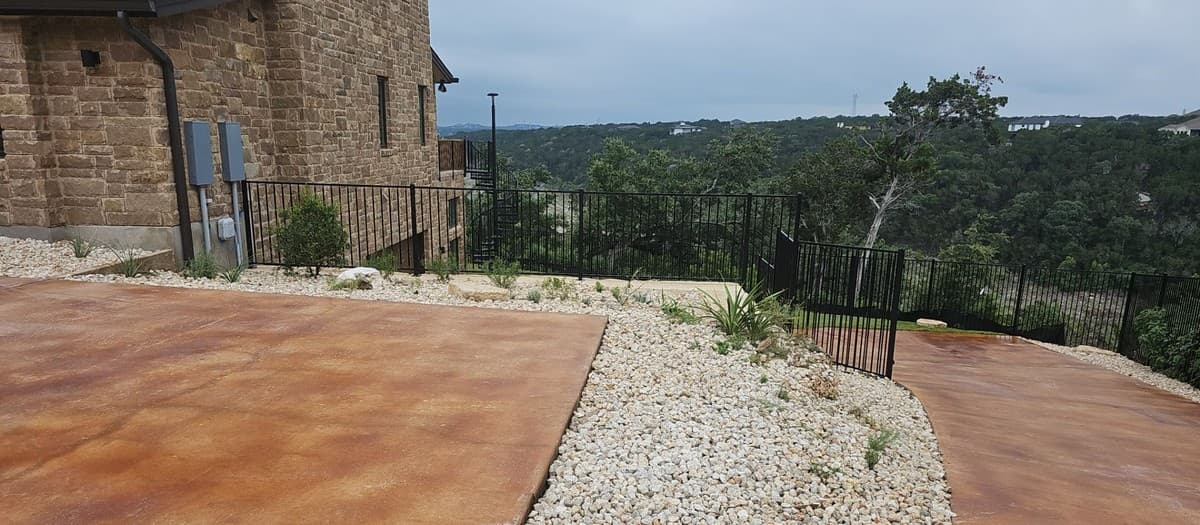
The client loved the proposal. The HOA denied the plan. Work never started, you never got paid, and spent three weeks estimating a job that did not happen. Here is how to protect yourself on HOA properties.
HOA properties add a layer of complexity that standard proposals do not account for. The client can approve your proposal. The HOA can still say no — to the plant species, the paver color, the wall height, the lighting fixture style. If your proposal does not build in that reality, you risk doing estimating work on a project that never happens.
Here is how to structure the proposal so you are protected — and how to make the HOA approval process work in your favor.
Ask the Right Questions at the Site Visit
Before you write a single line item, get answers to these: Is this property HOA-governed? Does the HOA have an approved plant list? Are there restrictions on paver color, material type, or wall height? Is there a required setback from property lines for hardscape? What is the HOA approval timeline — and has the client already started that process?
Some clients do not know what their HOA allows. That is not your fault — but it is your problem if you price a project that cannot be built as proposed. Asking these questions before you estimate protects your time.

Add an HOA Approval Contingency Clause
Every proposal for an HOA property should include a clause like: "This proposal is contingent upon HOA approval of the scope as described. If HOA requires material or scope changes, a revised proposal will be issued prior to work beginning. Scheduling and deposit are confirmed upon written HOA approval."
That clause does two things: it protects you from starting work that gets stopped mid-job, and it tells the client upfront that HOA approval is their responsibility — not yours.
Match Material Specs to HOA Guidelines
If the client shares HOA guidelines, review them before writing the proposal. Some HOAs specify approved paver colors, maximum wall heights (often 2–3 feet without additional approval), approved plant lists, and restrictions on artificial turf or certain mulch types. Price to what will actually get approved.
If you spec materials not on the HOA approved list, you are setting yourself up for a revision cycle. Get the guidelines first, then build the proposal around what will clear review.
Make Your Proposal HOA-Submission Ready
Many HOAs require a contractor proposal as part of the homeowner's approval submission. If you write a proposal that includes specific material descriptions, dimensions, brand names, and a site plan or sketch, the client can submit it directly. That makes you look professional and removes a step from the approval process.
A proposal that works for HOA submission also stands out to the client. You made their process easier. That earns goodwill that follows you through the entire project.
"The contractor who helps the client navigate HOA approval is the one they call first on the next project."
Price the Revision Risk
HOA approval processes often require one or more revisions. If the HOA wants a different paver color or a lower wall, you will need to revise the proposal. Include a note: "One proposal revision at no charge following HOA feedback. Additional revisions are available at [rate] per revision." That sets a fair expectation and protects your estimating time.
Close more jobs
Ledge proposals get signed 3× faster than PDF quotes.
Good/Better/Best options, digital e-signature, job photos built in, and automatic follow-up reminders. Built for landscape contractors.
Book a Demo →Frequently Asked Questions
Should I collect a deposit before HOA approval is received?
No. Hold the deposit until HOA approval is confirmed in writing. Collecting a deposit before approval is received puts you in the awkward position of holding money on a project that may need to change significantly or not happen at all. Let the client sign the proposal to confirm intent, then collect the deposit once they have their approval letter.
What happens if the HOA changes the scope significantly?
Issue a revised proposal reflecting the approved scope. If the changes substantially reduce the project, your price changes accordingly. If the changes add complexity or different materials, your price goes up. The contingency clause in your original proposal makes this legitimate — the original price was conditional on the original scope being approved.
How do I handle clients who start work before getting HOA approval?
Do not start. An unapproved project that gets flagged by the HOA can result in removal orders at the homeowner's expense — and sometimes at yours if you did the work knowing approval was pending. Your contingency clause gives you the right position: "I need the HOA approval letter before we can schedule."
Are HOA jobs worth the extra complexity?
Yes — if you price them right. HOA neighborhoods often have higher-income homeowners with larger yards and bigger budgets. The approval process adds lead time, not cost. If you build the contingency clause in from the start and price your estimating time into the proposal, HOA jobs are the same margin as any other residential project. The contractors who avoid them leave those clients to someone else.
Edgar Galindo
Co-founder, Ledge
Edgar built Ledge while running a landscape design-build company in Central Texas. Many of his clients lived in HOA communities — he built the HOA contingency process after learning the hard way what happens without one.