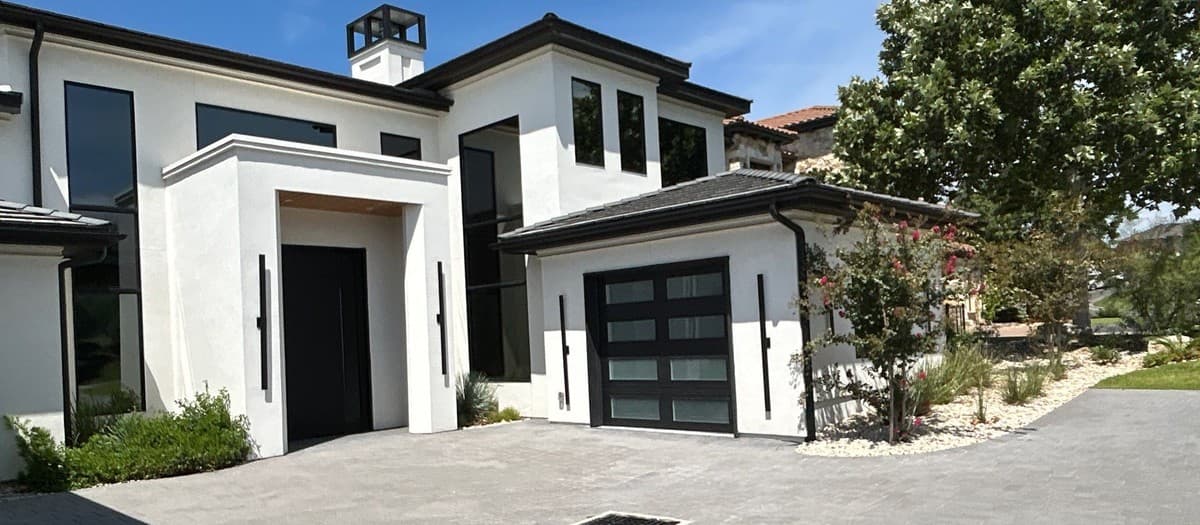
Every active job site is a live advertisement in a neighborhood full of your ideal prospects. Whether it converts to leads depends entirely on the sign you put in the yard.
When you're doing a patio installation in a nice residential neighborhood, every car that passes the house and every neighbor who walks by is a potential client. They can see the work happening. They're curious. They may have been thinking about a similar project for months.
If you don't have a sign in that yard, you just let that lead walk away. If you have a bad sign — too small, too much text, no phone number visible from the street — same result.
Signs That Don't Work (And Why)
Most contractor yard signs fail for one or more of these reasons:
- Too small: A 12x18 inch sign is invisible to a driver. You need at minimum 18x24 inches for a job site yard sign, larger for commercial sites.
- Too much text: A sign with your company name, tagline, five services, your logo, a phone number, a website URL, and an email address is unreadable from 30 feet away at driving speed. One or two pieces of information max.
- No phone number visible from the street: If someone has to park and walk up to read your contact info, most won't bother. The phone number needs to be in the largest text on the sign after your company name.
- Poorly printed or faded signs: A sign that looks cheap signals a cheap contractor. Print quality matters.
- Wrong placement: Signs staked in the lawn 30 feet from the road and behind a bush don't get seen.
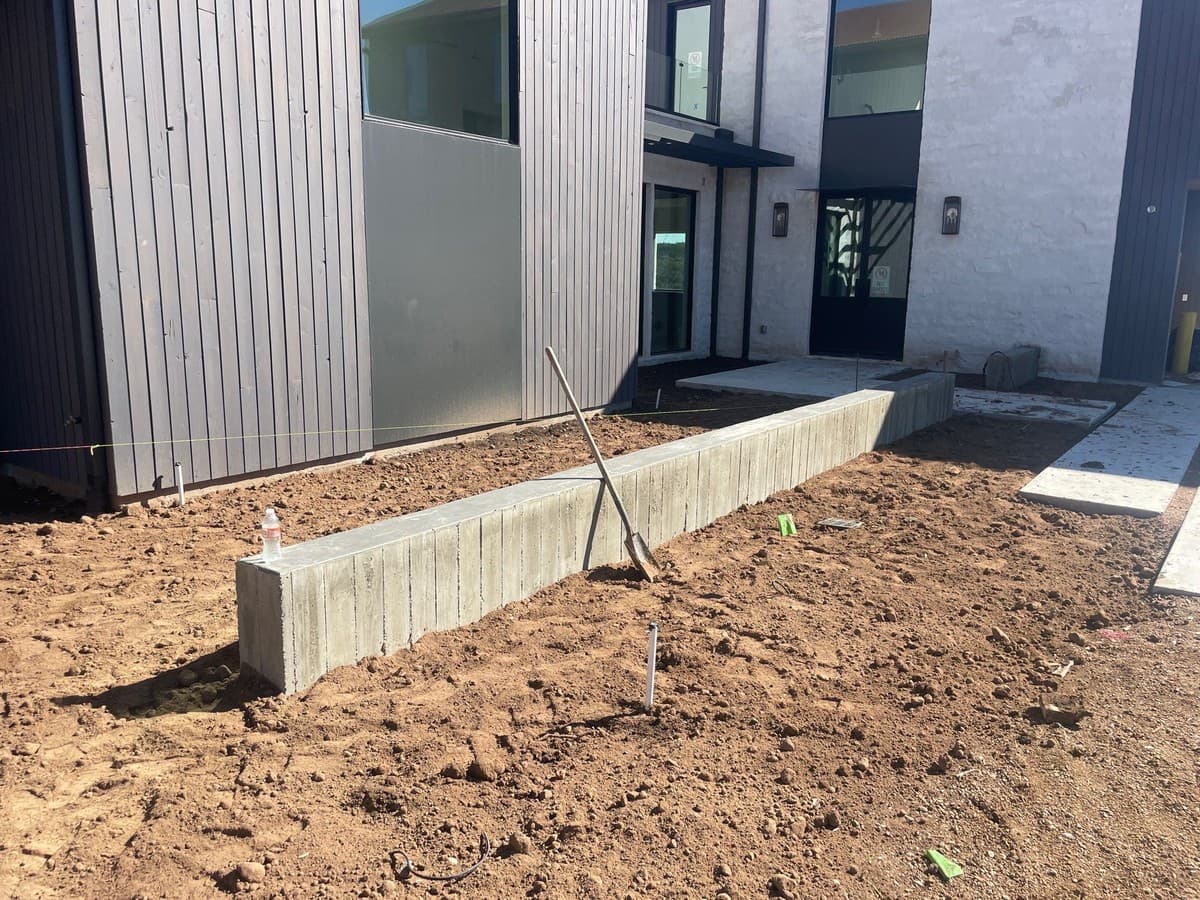
What a Sign That Works Looks Like
The sign that generates calls has these characteristics:
- Size: 18x24 or 24x18 inches for residential. 24x36 for commercial or high-traffic sites.
- Content: Company name (large), one service descriptor ("Hardscape & Landscape"), phone number (very large), and a QR code that links directly to your website or booking page.
- Color contrast: High contrast between background and text. Dark background with white or yellow text is highly legible from a distance.
- Stakes: Metal H-stakes that hold the sign upright and at eye level from the road. Wire stakes let signs lean and flop.
- Placement: As close to the road as the property allows, front-facing to traffic, unobstructed by landscaping or parked vehicles.
"We added a QR code to our signs that linked to a landing page with before/after photos. Our leads from job site signs doubled compared to the signs without QR codes — people scan them while parked or walking past."
Go Beyond the Yard Sign
The sign is passive. The following are active steps that turn job sites into lead sources:
- Door hangers on adjacent properties: During a multi-day install, walk 10 to 15 properties in each direction and leave a door hanger that says "We're currently building a project nearby. If you've been considering a similar project, call us this week and we can give you a site visit before we pack up." This immediacy drives calls.
- Truck and trailer presence: Your work truck and trailer are mobile billboards. If they're parked at the job site daily, keep them clean and lettered with your company name and phone number.
- Post on Nextdoor: A post in the neighborhood community while the job is in progress gets local visibility. "We're currently building a patio and retaining wall on [street name]. If you've been thinking about a similar project, feel free to drive by and see the work in progress."
How Many Signs and Where to Order Them
Order 15 to 20 signs to start — enough to put one on every active job simultaneously. Signs get damaged, misplaced, or taken occasionally, so having extras matters. Services like Signs.com, BuildASign, and GotPrint produce professional-quality corrugated yard signs at affordable prices when ordered in quantity.
Get them printed in full color on white corrugated plastic. Have a designer create a simple, clean layout — a few hundred dollars to get this right is money well spent. Every sign you put out is representing your brand for the entire duration of the job.
Signs bring leads. Ledge closes them.
When someone calls from your job site sign, you need to respond fast and send a professional proposal before they call your competitor. Ledge helps you do both in minutes.
FAQ
Do I need the homeowner's permission to put a sign in their yard?
Yes. Most homeowners are happy to say yes — it's a point of pride for them to have the neighborhood see their renovation in progress. Ask during the project kickoff: "We'd like to put a small sign in your yard while we're working. Is that okay?" Almost all will agree.
Are there HOA rules about contractor signs?
Some HOAs restrict or prohibit yard signs. Check with the homeowner before installing. In most neighborhoods, a sign placed during an active construction project is treated differently from permanent signage — but confirm locally to avoid conflicts.
How long should I leave the sign up after the job is done?
Remove it promptly at job completion or within a day of finishing. Leaving signs up long-term after a job is over is unprofessional and most HOAs won't allow it. The job site sign is an active-project tool, not a permanent advertisement.
What should the QR code link to?
A page that quickly shows before-and-after photos of recent work, your contact information, and a button to call or book a consultation. Don't link to your homepage — link to a page specifically designed to convert someone who's already impressed by seeing your work in person.
Edgar Galindo
Co-founder, Ledge
Edgar built Ledge while running a landscape construction company in Central Texas. He writes about lead generation, client retention, and building a landscape brand that commands premium pricing.